
Many people choose to relocate from DC to Florida for its warm climate and relaxed lifestyle. Florida offers sun-soaked beaches and a cost of living that can be lower than in DC. For instance, cities like Tampa and Jacksonville provide a blend of urban and coastal living without the DC winters. As you plan your move, a checklist for moving from DC to Florida can be crucial. It helps you organize everything from packing to updating your address. Whether you’re moving for retirement or a new job, Florida’s diverse communities and vibrant culture make it an attractive destination. Enjoy the journey and the new opportunities that await in the Sunshine State.
Start with a plan: Essential steps before you move
Starting your move from DC to Florida requires careful planning. First, establish a clear timeline. This helps you manage each step efficiently. Next, consider your budget. Moving costs can vary widely, especially for long distances. For example, moving services, packing supplies, and travel expenses all add up. Moreover, choosing the right moving company is crucial. Look for movers DMV with a strong track record. They should offer transparent pricing and reliable services. Good movers will ease your stress and ensure your belongings arrive safely.
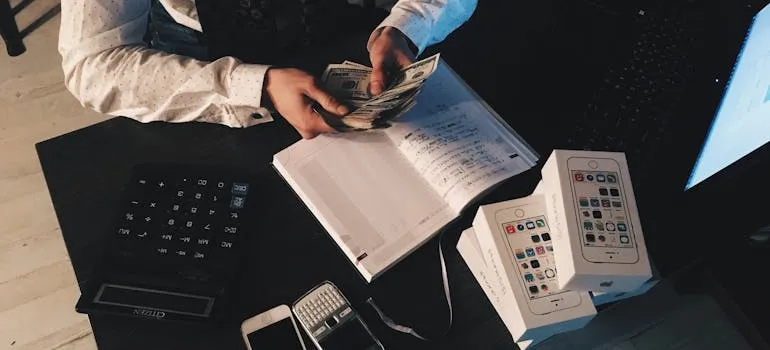
Also, think about the timing of your move. Winter may offer cooler weather and potentially lower rates. Conversely, summer promises quicker service but at premium prices. Lastly, review all contracts carefully before signing. This ensures you understand the terms and your rights as a consumer. This way, you can start your new life in Florida on the right foot, well-prepared, and with peace of mind.
Your checklist for moving from DC to Florida should include your documents
When moving from DC to Florida, organizing your documents is a key step. This is why local movers DC often recommend keeping essential records accessible. This includes IDs, contracts, and medical records. These documents should be within easy reach during your move. First, make digital copies of all important documents. Store them securely online or on a USB drive. This backup ensures access even if physical copies are misplaced. Next, use waterproof and fireproof containers for the originals. These protect your documents from unexpected damage during transit.
Additionally, consider the transportation of these documents. Personal carry is often the safest. This way, you have control over your most critical information. If that’s not possible, use a trusted courier service with tracking capabilities. Also, update your mailing address in advance. Notify banks, government agencies, and subscription services of your new location. This prevents important mail from getting lost. Lastly, double-check all packed documents before the move. This ensures nothing important is left behind. Following these steps will help secure your documents and reduce stress during your transition to Florida.
Decluttering: What to keep and what to leave behind
Decluttering before your move from DC to Florida offers numerous benefits. It simplifies packing and reduces moving costs. Experts like interstate movers Washington DC suggest evaluating each item’s importance. This process helps you decide what to keep and what to leave behind. Start by sorting your belongings into categories: keep, sell, donate, or discard. Items used frequently or those with sentimental value should be kept. Conversely, items not used in over a year may be ideal for selling or donating.
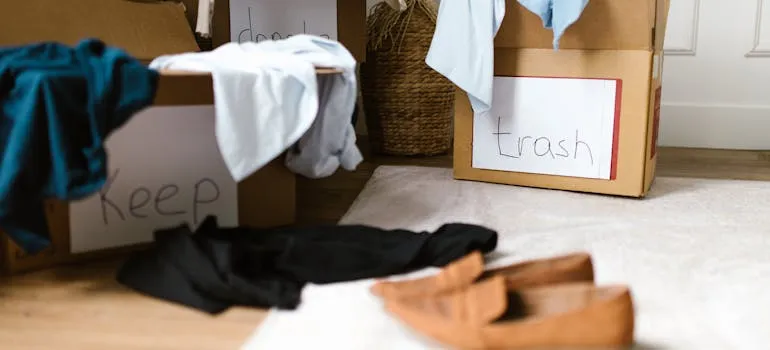
Additionally, consider the size of your new home in Florida. It might be larger or smaller. This can influence what furniture and appliances you should bring. For example, a smaller space means prioritizing multi-functional furniture. Also, think about the Florida climate. It’s warmer and more humid than DC. Items like heavy winter clothing might not be necessary. Selling or donating these items can free up space and reduce packing efforts. Finally, organize a yard sale or use online marketplaces to sell unwanted items. This can provide extra funds for your moving expenses. Donating items to charity is also a great way to give back and lighten your load. By following these steps, you’ll make your move more manageable and cost-effective.
Packing essentials: Supplies you can’t forget
Packaging correctly is crucial when preparing for your move from DC to Florida. DC area movers often stress the importance of having the right supplies. This ensures your belongings arrive safely at your new home. Begin by gathering strong boxes, packing tape, bubble wrap, and permanent markers. These basic supplies form the foundation of good packing practices. For clothes, consider wardrobe boxes, which keep garments organized and wrinkle-free during transit. Next, pay special attention to fragile items. Wrap glassware, dishes, and ornaments individually. Use bubble wrap or packing paper for extra protection. Label these boxes as “Fragile” to alert handlers to use extra care.

Moreover, packing efficiently can save space and reduce moving costs. Use suitcases to pack books and other heavy items. This maximizes space and makes transport easier. Also, create a detailed inventory list. This is part of a good checklist for moving from DC to Florida. It helps track items and ensures nothing is forgotten or lost. Finally, set aside an essentials box. Include items you’ll need immediately upon arrival, like toiletries, a change of clothes, and basic kitchen supplies. This box should be the last loaded and first unloaded, providing easy access when you reach Florida.
Transporting valuables: Secure your most precious items
When relocating from DC to Florida, securing your valuables is crucial, especially if you’re moving a business with commercial movers DC. For instance, transporting office equipment or artwork requires specialized care. Begin with the right packing materials. Use bubble wrap, sturdy boxes, and padding. These protect valuables from impacts during transit. Label each box clearly and keep an inventory list. This step is vital for tracking all items.
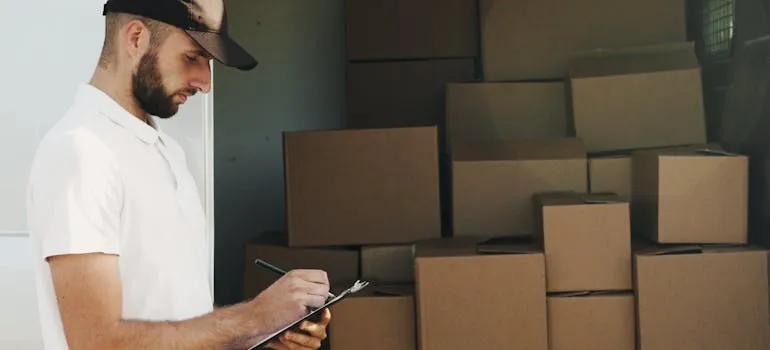
Furthermore, consider the benefits of insurance. It offers protection against loss or damage. Ensure the insurance coverage matches the value of your items. This gives you peace of mind. Also, use tracking options for your shipment. This allows you to monitor the whereabouts of your valuables. Knowing where your items are at all times reduces stress. Lastly, if possible, transport extremely valuable or sensitive items personally. This minimizes risks associated with handling and transport. When you take these steps, you ensure that your valuable belongings arrive safely at their new destination in Florida.
Family considerations: Preparing kids and pets for the move
When moving from DC to Florida, considering the needs of your family, especially children and pets, is essential. This is the reason residential movers Washington DC, often highlight the importance of preparing in advance to ease the transition. For children, involve them in the moving process. Let them pack some of their belongings. This can help them feel part of the journey and less anxious about the change. Also, explain the moving process in simple terms. Visit the new home with them beforehand if possible. Similarly, for pets, plan ahead. Ensure they have a comfortable travel carrier. Familiarize them with it several weeks before the move. This can reduce their stress on a moving day. Also, check for pet-friendly stops along the route.

Moreover, keep routines as normal as possible until the move. Maintain regular meal and bedtime schedules. This stability is comforting for both kids and pets. Additionally, pack a day bag for immediate needs. Include snacks, toys, and any necessary medications. This ensures you have everything on hand to keep your family comfortable. By taking these steps, you can make your move long-distance with kids or pets smoother for everyone.
Include in your checklist for moving from DC to Florida a setup of your new home
Setting up your new home in Florida requires careful planning. First, focus on the immediate necessities you’ll need for the first few days. This includes items like bedding, toiletries, and basic kitchenware. Having these essentials readily available will make your initial days much more comfortable. Next, setting up utilities is a critical step. In Florida, you might need to arrange for services such as water, electricity, gas, and internet. For electricity, companies like Florida Power & Light or Duke Energy are major providers. For internet and cable, options vary by location but often include providers like Comcast or AT&T.
Additionally, local registrations are important. You’ll need to update your driver’s license and vehicle registration at a local DMV. Florida requires this to be done within 30 days of establishing residency. Furthermore, familiarize yourself with local waste collection and recycling rules. Most Florida cities provide specific bins for regular trash and recyclables. By tackling these tasks efficiently, you can ensure a smooth transition to your new home in Florida. Each step will help you feel more settled and ready to explore all that your new community has to offer.
Farewell DC: How to say goodbye to the capital
Saying goodbye to Washington DC can be emotional. Planning a few farewell activities can make this transition smoother. Consider hosting a goodbye party. It’s a great way to gather your friends and neighbors for one last celebration. Choose a favorite local venue, or have it at your home for a more intimate setting. Additionally, take the time to visit your favorite places in the city. Whether it’s strolling through the National Mall or having a final meal at a beloved restaurant, these moments create lasting memories.

For a more personal farewell, consider writing letters or giving small gifts to close friends and neighbors. This gesture shows appreciation for the relationships you’ve built. It can be particularly comforting for both you and them. Moreover, take lots of photos during these activities. Photos are wonderful keepsakes that help keep memories alive even after you’ve moved. Finally, keep contact information updated. Staying connected after you move to Florida will help maintain these important relationships. It also eases the sadness of leaving, knowing you can stay in touch with the life you’re leaving behind in DC.
First week in Florida: Tips to settle in quickly
Settling into Florida during your first week involves getting to know your new environment effectively. Understanding local resources is crucial. For example, familiarize yourself with the cost of living. Housing varies, with median home prices around $300,000, but more upscale areas like Naples can see averages closer to $500,000. Additionally, explore the job market. Florida’s economy is robust, with strong sectors in tourism, healthcare, and technology. Jobs are plentiful in major cities like Miami, Tampa, and Orlando. As for lifestyle, Florida offers a relaxed atmosphere with a focus on outdoor living due to its warm climate. During your first week, make sure to visit a few key places:
- The beaches: Whether it’s Miami Beach or the quieter sands of Clearwater, experiencing Florida’s famous coastlines is a must.
- Local markets: Visit a local farmers’ market, like the Jacksonville Farmers Market, to taste local flavors and meet new people.
- Historic sites: Check out St. Augustine, the oldest city in the U.S., for a blend of history and beautiful architecture.
Use the checklist for moving from DC and relocate with ease
Utilizing the checklist for moving from DC to Florida ensures a smooth and organized relocation process. By methodically following each step, you can address all crucial aspects of the move, from packing valuables securely to setting up your new home efficiently. This preparation minimizes stress and helps you transition seamlessly into your new Florida lifestyle. Remember to say your goodbyes thoughtfully, explore your new surroundings actively and embrace the vibrant culture and opportunities Florida offers. With this comprehensive approach, you can look forward to starting your next chapter with confidence and excitement. Make the most of your new beginnings with the guidance provided by this essential checklist.

