
Green moving guide
Get a Free Moving Estimate
"*" indicates required fields
Choosing eco-friendly options during your move can lower waste and reduce your impact. That’s why many people trust companies such as Beltway Movers DMV for responsible relocation services. These companies use reusable bins, fuel-efficient trucks, and smart packing methods. For example, they offer rental crates instead of cardboard boxes. This cuts down on waste and saves you money. You can also donate unwanted items to local charities instead of throwing them away. Recycling packing materials is another simple way to stay green. Local drop-off centers often accept bubble wrap, paper, and plastic. Also, using fewer packing materials helps reduce landfill waste. With the right planning, your move can support the environment. This green moving guide will help you make practical, earth-friendly choices.

10 steps for an eco-friendly move
Planning ahead makes it easier to reduce waste during your move. You can save materials, cut fuel use, and support the environment. Start by looking at what you already have. Declutter your home and donate items you no longer need. This reduces what you need to pack. Also, choose reusable packing supplies like plastic bins and moving blankets. It’s important to select companies that support eco-friendly practices. For example, some moving services in Maryland offer reusable crates and fuel-efficient trucks. These small changes make a big difference. You don’t have to sacrifice convenience to be green. In fact, simple steps can lower your moving costs and environmental impact.
Step 1: Plan ahead
Sustainably is unfortunately not the norm in the moving industry. That means that making your move as eco-friendly as possible means planning even further ahead than you would for a typical move. Allow yourself extra time to look for eco-friendly moving companies, source sustainable packing materials, research recycling opportunities, and more. You’d be amazed at how much planning ahead can save you in terms of waste, disorganization, and buying things that you already have but can’t find. Strategically pack up your home so that everything you will need leading up to your move stays out of boxes, eliminating the need for you to repurchase items that have been packed away.
Step 2: Look for eco-friendly movers or transportation
Some moving companies have seen and embraced opportunities to create more sustainable practices within their industry. Whether by using more fuel-efficient moving trucks, launching tree-planting initiatives to offset their emissions, or other green practices, it’s now possible to hire a moving company based on the sustainability of their business. Whether you are looking for local movers MD or you are relocating within another state, when looking for a green moving company, beware of marketing that’s full of eco-friendly buzzwords. Instead, ask these questions to assess moving companies:
- Do you have any references that can speak to your sustainable practices?
- Do you use reusable moving boxes and supplies?
- Do you use biodegradable packing materials?
- How do you ensure you can complete a move in just one trip?
- What other practices make your company more sustainable than others?
- If you’re planning a DIY move without the help of professional movers, you can also find ways to make transporting your belongings more green. Rather than taking multiple trips in your own car, rent a truck so you can move everything in one trip (even if the truck is less fuel-efficient, this will typically be the greener option

Step 3: Sell or donate unwanted belongings
Rather than throwing away items you don’t want to bring with you when you move, spend the extra time and effort to sell or donate them. This helps reduce landfill waste created by the moving industry. You can list furniture or electronics on local marketplaces like Facebook or Craigslist. Clothes, books, and household goods can go to donation centers such as Goodwill or Habitat for Humanity. Not only will this keep usable items out of the trash, but it can also help others in your community. In some cases, donation centers even offer free pickup services, making the process easier. Fewer items also mean fewer boxes, which saves time, space, and fuel during the move.
Step 4: Research recycling options
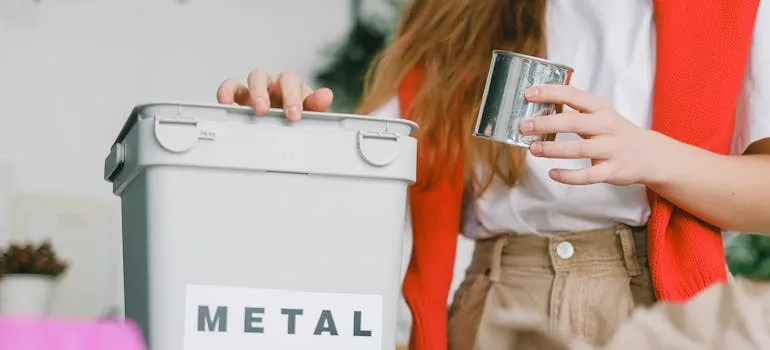
For unwanted items that can’t be sold or donated, see if recycling is an option. Many organizations can help you recycle old electronics, worn-out clothing, furniture, and other unexpected items. Local recycling centers often accept items like batteries, mattresses, and metal furniture parts. You can also check if your city offers bulk pickup or drop-off days for large items. For instance, some residential movers in Maryland work with eco-friendly partners who offer recycling services during the moving process. Ask about these options when booking your move. Taking the time to sort and recycle properly reduces the environmental impact of your relocation and keeps more waste out of landfills. It also makes your packing process more organized and efficient.
Step 5: Use eco-friendly packing materials and strategies
One of the most harmful aspects of a move is packing materials, the most common of which contribute to deforestation and single-use plastics. By seeking out eco-friendly packing materials and using packing strategies that minimize environmental harm, you can make your move more eco-friendly. Some movers and packers in Maryland now offer sustainable options, including reusable bins and recyclable packing supplies. Asking about these services in advance can help you reduce your carbon footprint while still protecting your belongings during the move.
- Look for rentable, multi-use plastic moving boxes. Our SmartPack system utilizes rentable boxes and bins that can be used for a move and then returned for more households to use in the future.
- Using this system will reduce cardboard waste by an average of 80%.
- Source free boxes from local stores or reuse moving boxes from a previous move.
- Look for biodegradable packing supplies (like packing peanuts made from cornstarch rather than Styrofoam).
- Use clothes, sheets, linens, pillows, and blankets as cushioning for fragile items rather than plastic bubble wrap. Even recycled newspapers or magazines can be a more environmentally friendly choice.
- Pack inside storage bins, baskets, drawers, totes, suitcases, and other household items so you can use fewer cardboard boxes (and create less waste) during your move.
Step 6: Pack the kitchen last
Packing the kitchen, even just a few days before you move, can mean creating unnecessary waste from takeout, paper plates and cups, and plastic cutlery. Try not to pack the kitchen until the last minute, so you can still use your own belongings for cooking and eating. As you pack your kitchen, be mindful of the food waste you’re creating. Plan ahead for your move by meal planning and shopping deliberately so you won’t end up with a lot of perishable food that needs to be thrown out. See if Move For Hunger or another similar organization operates in your community — they will pick up and transport non-perishable food items to a local food pantry.
Step 7: Avoid unnecessary trips back and forth
Fuel is, unfortunately, not very eco-friendly. This means that the more trips you have to take back and forth to your new residence, the more impact you are going to have on the environment. Avoiding unnecessary trips and cutting down on driving between your old and new home is another way to have a green move. Can your issue be solved by calling the landlord? What about the neighbors? If you can avoid unnecessary trips, you will be able to cut down on fuel and other emissions.
Step 8: Clean with green products
When you move out of your old home, you’ll typically need to clean it thoroughly. Instead of using chemical-filled cleaning products in single-use plastic containers, consider eco-friendly, sustainable alternatives. Green cleaning supplies are a booming business, so there are many options now available. Or, you can DIY some homemade cleaners using common household goods.

Step 9: Store belongings with a neighbor
If you need storage while relocating, consider the most eco-friendly self-storage there is: free space in a neighbor’s home. Connect with someone in your community to store your belongings safely and affordably. This option reduces the need for fuel, packaging, and rented space. It’s also a great way to build trust and strengthen neighborhood ties. However, not everyone has access to that kind of arrangement. In that case, look for moving and storage companies in Maryland that offer green storage options. Some companies provide climate-controlled units powered by renewable energy or offer reusable storage containers. Choosing an eco-conscious storage provider helps lower your environmental impact while still keeping your items safe and secure.
Step 10: Recycle moving supplies once the move is over
Green move over and done, avoid simply disposing of moving materials that you no longer need. Chances are, someone else could get good use out of your moving supplies, so post on Facebook or OfferUp about your moving supplies. You can also bundle boxes and leave them curbside with a “free” sign for neighbors. Many local donation centers or shelters accept clean, reusable packing materials. Taking these extra steps keeps waste out of landfills and helps others save money.
After your move: Making your new home green
It’s one thing to move sustainably. But as you’re unpacking and settling into your new home, you can use the change to embrace some eco-friendly new habits. Here are seven steps you can use to make your new home green as you arrive, unpack, and settle in:
- Step 1: Buy used furniture
Skip the brand-new furniture and search for second-hand options. Check thrift stores, consignment shops, or online marketplaces like Facebook and Craigslist. This reduces demand for new production and cuts down waste. - Step 2: Embrace a more minimalist lifestyle
Now that you’ve decluttered, try to avoid buying excess items. A minimalist approach leads to less waste, fewer emissions from shipping, and a cleaner, more functional living space. - Step 3: Use eco-friendly home decor
Choose sustainable options like eco-friendly paints and locally made furniture. Avoid plastic decor or mass-produced items that may not last. Durable, natural materials are best. - Step 4: Invest in energy-efficient appliances
Upgrade old appliances to energy-saving models. Consider LED bulbs, rechargeable batteries, and even solar panels. These changes reduce your energy use and lower long-term costs. - Step 5: Create new eco-friendly habits
Use this time to build greener habits. Join local recycling programs, conserve water with drought-resistant landscaping, or grow vegetables at home. - Step 6: Go paperless
When updating your address, sign up for paperless billing and email communications. This reduces paper waste and clutter in your home. - Step 7: Help make more moves eco-friendly with a neighbor
Share your success by helping others move sustainably. Offer unused storage space through Neighbor to reduce demand for new storage construction.

Start fresh with confidence using this green moving guide
Moving offers a great chance to start fresh while making eco-conscious choices. Simple steps like using recycled materials, donating unwanted items, and choosing energy-efficient products can reduce your impact. You don’t need to overhaul your life—small changes add up quickly. From packing to unpacking, every decision can support a cleaner, greener future. Even after settling in, you can continue your efforts by creating new habits and helping others do the same. This green moving guide gives you the tools to make better choices for both your home and the planet. Start your move with purpose and make every step count.

