
Relocating long distance takes preparation, especially when pets are involved. Families moving from Maryland to Texas should plan early to reduce stress for both pets and owners. Veterinary visits before departure ensure vaccinations are current and travel health certificates are ready. This step also helps address concerns like motion sickness or anxiety. Travel can be overwhelming for pets, so bringing familiar items such as toys or blankets offers comfort. Climate is another important factor to consider. Maryland has four distinct seasons, while Texas is known for long, hot summers and mild winters. Pets will need time to adjust to hotter temperatures, shorter walks during peak heat, and different outdoor conditions. Planning ahead makes moving pets from Maryland to Texas safer and less stressful for everyone.
Planning veterinary visits before the move
Scheduling veterinary visits early makes relocating with pets much smoother. Families often coordinate appointments around the same time they book movers DMV services to stay organized. Vaccinations are especially important for interstate travel. For example, Texas requires rabies shots for both cats and dogs, so you’ll need proof before arrival. Some airlines may also ask for updated vaccination records at check-in. Health certificates are another key requirement. Texas law requires a certificate of veterinary inspection dated within 30 days of travel. This document confirms that your pet is healthy and fit for relocation.
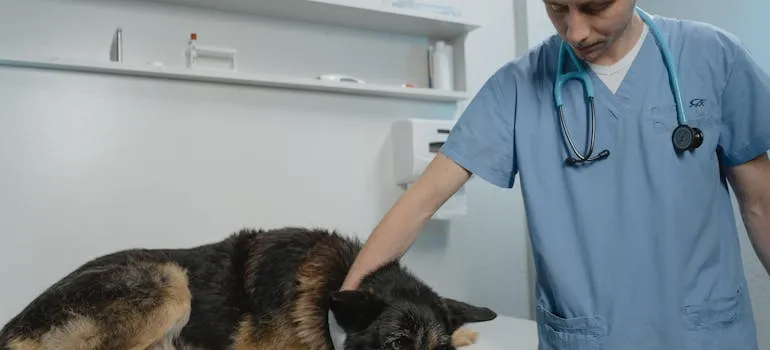
Discussing travel anxiety with your vet is also a smart step. Many pets struggle with long drives or flights, so your veterinarian may recommend calming aids. For instance, some prescribe mild sedatives or suggest over-the-counter supplements like calming chews. Others may recommend pheromone sprays to reduce stress during the trip. Preparing with your vet’s guidance ensures your pets remain safe and comfortable, allowing you to focus on the larger details of your relocation.
Choosing the best travel method for your pet
Selecting the right travel method for pets is an important step in relocation. Many families coordinate their schedules with interstate moving companies Maryland while deciding whether to drive or fly with pets. Driving can be less stressful since it allows for frequent stops. For example, during a trip, you can plan breaks every three hours so dogs can stretch, drink water, and eat light meals. Flying, on the other hand, is faster and may be necessary for long distances. Airlines often allow small pets in the cabin but require larger pets to travel in climate-controlled cargo.
Each choice requires planning for safety. When driving, use a secured crate or a pet seatbelt harness to prevent injuries. During flights, review airline policies carefully. For example, Delta requires IATA-approved carriers that are ventilated and escape-proof. Carriers should also be large enough for your pet to stand and turn around. By preparing ahead, you create a safer and more comfortable experience for your pet throughout the move.
Preparing travel supplies for moving pets from Maryland to Texas
Preparation is key when relocating with pets over long distances. Families often organize packing with the help of movers and packers in Maryland, but pets need their own travel supplies to stay safe and comfortable. A sturdy pet carrier is essential, especially for long drives or flights. It should be large enough for your pet to stand, turn, and lie down. For dogs, a harness and leash are necessary for rest stops, allowing them to stretch without risk of escape.
Food and water must also be part of your travel kit. Collapsible bowls are convenient since they save space and can be used anywhere, from gas stations to rest areas. For example, giving your pet small meals during breaks helps prevent motion sickness. Comfort items are equally important. A favorite blanket or toy reduces stress by providing familiarity in a new environment. Some families even bring unwashed bedding so their pets have a familiar scent during travel. Packing these items ensures your pets remain safe, calm, and cared for throughout the journey.
Keeping pets calm during the journey
Long-distance relocation can be stressful for pets, so keeping them calm is a priority. Families often plan travel schedules alongside moving companies in Maryland, but pets need extra attention during the trip. Reducing stress starts with familiar items. Bring your pet’s favorite blanket or toy so they feel secure in new surroundings. Soft music or covering part of the carrier can also create a sense of comfort during travel.
Calming aids may also help. Some veterinarians recommend natural supplements like chews with chamomile or melatonin. Others suggest pheromone sprays that mimic calming scents, which can be applied to a carrier before travel. For example, using a spray before boarding a plane can ease anxiety for cats. Breaks are equally important. When driving, stop every three hours for bathroom breaks and short walks. In Texas, rest areas often have pet-friendly spaces where dogs can safely stretch and rehydrate. Careful planning and patience ensure a smoother trip, making moving pets from Maryland to Texas safer and less overwhelming for both pets and owners.
Housing arrangements for pets upon arrival
Housing arrangements for pets should be planned before arrival to reduce stress. Many owners coordinate timelines with residential movers in Maryland schedules so they can prepare pet-friendly lodging. Hotels like Marriott and La Quinta welcome pets, while some Texas rental properties even highlight fenced yards as a feature. These options provide comfort if your new home isn’t immediately available. Temporary housing also gives you time to unpack safely before the pets explore.
Deciding between crating and free-roaming depends on your pet’s temperament. Crating works best in the first days to help anxious dogs or cats feel secure. Once they grow familiar with the space, supervised free-roaming can be introduced. Setting up safe spaces is equally important. A quiet corner with food, water, and favorite toys provides stability. For example, laying out a dog’s blanket or a cat’s scratching post creates a sense of familiarity. Preparing these areas ensures pets adjust more smoothly, turning a new house into a safe and welcoming home.
Managing moving day logistics with pets
Organizing moving day requires careful planning, especially when pets are part of the process. Many people book moving services in Maryland early to make sure schedules align. Pets should be kept away from movers and heavy activity during the day. For instance, cats can be placed in a quiet room with their carrier, food, and litter box. Dogs may stay in a separate area or even at a pet daycare to avoid stress from constant noise.

It also helps to assign one person to manage pet care throughout the move. This person can monitor feeding times, bathroom breaks, and signs of anxiety. Timing is another important factor. If movers are scheduled to arrive in the morning, consider transporting pets in the afternoon when the environment is calmer. For long-distance moves, plan ahead for rest stops where pets can stretch and rehydrate. Coordinating these steps ensures pets remain safe, calm, and cared for while the moving team completes their work efficiently.
Legal and safety considerations when moving pets from Maryland to Texas
Relocation across state lines comes with important legal and safety steps for pets. Many owners coordinate timelines with moving and storage companies in Maryland, but pet requirements should be reviewed as well. Texas law mandates proof of rabies vaccination for dogs and cats, and many counties require licensing upon arrival. Microchipping is also strongly recommended and often required in urban areas like Houston to ensure lost pets are identified quickly.
Breed-specific rules can also apply. For example, certain counties may restrict ownership of breeds like pit bulls, meaning research is essential before settling in a new location. Safety considerations extend beyond paperwork. Texas is home to pests not common in Maryland. Fire ants, ticks, and even snakes can pose risks to pets outdoors. Preventive measures such as flea and tick medication, as well as keeping dogs on leashes during walks, are crucial. By addressing these requirements and potential hazards before relocating, you protect your pets and ensure compliance with state laws. This preparation makes the transition safer and less stressful.
Life with pets in Texas compared to Maryland
Adjusting after relocation means helping pets feel at home in a new environment. The climate is one of the biggest changes, and it affects daily routines. Summers in Texas are longer and hotter compared to Maryland, so walks may need to shift to mornings or evenings. Hydration and shaded rest areas also become more important. Housing styles are different, too, with many Texas homes offering larger yards that encourage more outdoor play. Access to parks and trails is another benefit, especially in cities like Austin or Dallas, where dog-friendly areas are common. These differences highlight why planning ahead for moving pets from Maryland to Texas ensures they adapt well. Preparation makes life in Texas safer and more enjoyable.
Adjusting to the Texas climate and outdoor safety
Climate differences between Maryland and Texas can strongly affect pet care. Maryland has four seasons, while Texas experiences long, hot summers with temperatures often above 100°F. Because of this, walks should be scheduled early in the morning or late evening, unlike in Maryland, where midday walks are more common. Hydration is also critical. Carry collapsible water bowls when visiting Texas parks, such as Zilker Park in Austin, to keep pets safe. Shade becomes a priority since heatstroke risks are higher. Pest control also changes after the move. While Maryland pets mostly face ticks and mosquitoes, Texas adds challenges like fire ants, scorpions, and snakes. Using preventive treatments and staying alert outdoors ensures your pets stay safe and comfortable year-round.
Lifestyle changes for pets in Texas homes
Housing styles in Texas often give pets more room to enjoy. Many homes feature larger yards compared to Maryland suburbs, where higher housing costs limit space. For example, the median home price in Austin is around $450,000, while in Montgomery County, Maryland, it’s closer to $550,000, often with smaller outdoor areas. Apartments in Texas are also frequently more pet-friendly. Cities like Dallas and Houston offer complexes with pet amenities such as washing stations and play zones, which are less common in older Maryland buildings. Dog parks are another major advantage. Texas cities maintain large spaces like Houston’s Buffalo Bayou Dog Park, while Maryland offers smaller neighborhood parks. These differences create more opportunities for pets to stay active and social.
Comparing veterinary care and resources
Access to veterinary care and pet resources in the state of Texas can differ from what you may be used to in Maryland. Urban areas like Austin and Dallas offer many clinics with extended hours, while rural towns may have only one vet within several miles. Costs are also different, and in some cases, more affordable than in Maryland. Routine checkups, vaccinations, and preventive treatments vary by location, so planning ahead is helpful. Beyond medical care, Texas provides plenty of options for pet supplies, training, and grooming services.
- Routine vet checkups in Austin average $60–$70, compared to $90–$100 in Bethesda, Maryland.
- Flea and tick prevention in Texas costs about $15–$25 monthly, similar to Maryland prices.
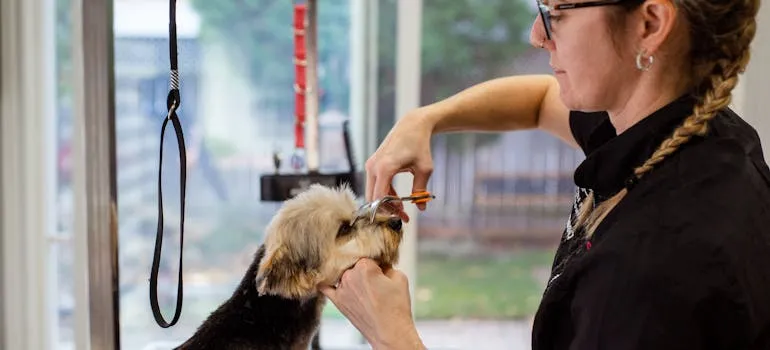
- Grooming services in Houston average $55, while Maryland salons often charge $70 or more.
Helping your pets thrive after moving pets from Maryland to Texas
Adjusting to a new state takes time, but pets can adapt well with the right support. Focus on creating routines that include safe exercise, proper hydration, and comfortable living spaces. Outdoor time should be planned carefully, especially in the hotter Texas climate, with morning or evening walks preferred over midday outings. Access to veterinary care, groomers, and trainers also helps maintain your pet’s health and comfort. Socialization opportunities at dog parks or community events can reduce stress and make the transition easier. With preparation and patience, the change becomes smoother for everyone. By prioritizing comfort and safety, moving pets from Maryland to Texas can be a positive experience that helps your pets thrive in their new home.

