
Relocating later in life can feel overwhelming, especially without the right support. Families often need extra planning when arranging a move for parents or grandparents. Health issues, mobility limitations, and emotional attachments make the process more complex than a typical relocation. For example, downsizing from a large home in Washington, DC to a smaller apartment in Virginia may require help from moving companies DMV that understand these challenges. Emotional stress is also common, as leaving a longtime residence can be difficult. At the same time, physical barriers like stairs or narrow hallways create risks. With the right services, moving with seniors or accessibility needs becomes safer and more manageable, offering comfort for everyone involved in this important step.
Planning ahead for senior and accessibility-focused moves
Early preparation is important when arranging a move for seniors or people with accessibility needs. Planning several months in advance gives families time to compare services, choose the right providers, and set a budget. For example, some families work with moving and storage companies in Maryland to manage both transportation and temporary storage during downsizing. Careful scheduling also avoids last-minute stress, which can be especially hard on older adults. In addition, early preparation allows everyone to organize medical records, prescriptions, and special equipment before the moving date.

Another key step is creating a realistic timeline. Break the process into smaller tasks, such as decluttering, packing, and arranging transportation. Each step should account for health conditions or mobility issues, since rushing may lead to accidents or fatigue. It also helps to involve family members in decision-making. Relatives can provide emotional support, offer practical help, and make sure important details are not overlooked. Clear communication between all parties ensures seniors feel included and respected. With structured planning, relocation becomes safer, less stressful, and more supportive for everyone involved.
How moving with seniors or accessibility needs affects home accessibility planning
Making sure a new home is safe and accessible should be one of the first priorities during a move. Families should carefully review entrances and exits to confirm whether stairs, ramps, or lifts are needed. Even a small step at the front door can be a barrier for someone with limited mobility. Inside the home, bathrooms often require special attention. Adding grab bars near toilets or showers and installing a walk-in shower instead of a tub can reduce risks of falls. Simple changes like non-slip mats also increase safety. Some families choose moving companies DC area with experience in preparing homes for accessibility, since trained crews can help with setup.
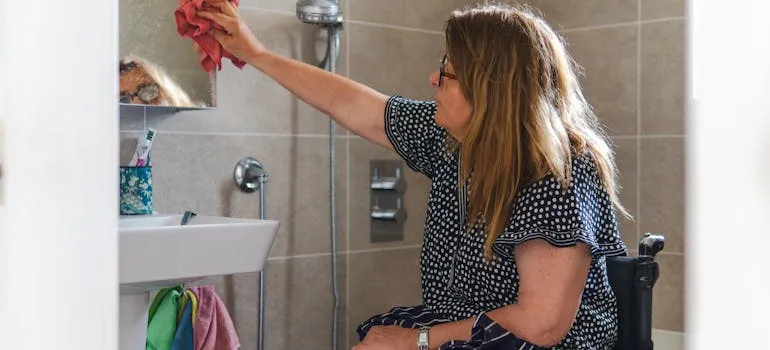
Doorways and hallways are another important factor. Wider openings are necessary for wheelchairs and walkers to move through comfortably. If door frames are narrow, adjustments may be required before furniture and equipment arrive. Uneven floors or thick rugs can create tripping hazards, so these should be removed or secured before moving day. Proper planning ensures the new environment supports independence and comfort. With these steps, the relocation becomes not only about changing homes but also about creating a safer space for daily living.
Transportation and mobility support during the move
Transportation plays a critical role when planning a move for seniors or people with accessibility needs. Vehicles must be suitable for wheelchairs, walkers, or other mobility devices. Families should confirm that ramps, lifts, or space for secure seating are available before moving day. Movers also need to be trained in safe lifting techniques to avoid injuries when handling heavy medical equipment or assisting individuals directly. For example, some families rely on interstate movers Virginia when relocating across state lines, since long-distance travel requires extra preparation. Choosing professionals with the right training makes the process safer and far less stressful.

Longer moves often bring unique challenges. Accessible vans may be necessary to provide comfort and stability for seniors during travel. Breaks should also be scheduled to allow time for meals, medication, or simple rest. Medical stops are especially important when a trip involves several hours or an overnight journey. Coordinating these details ahead of time ensures that health and safety remain a priority throughout the move. With careful planning and the right transportation services, families can provide comfort and security, even during long-distance relocations. This level of preparation makes the entire process much smoother.
Emotional well-being when moving with seniors or accessibility needs
Leaving a longtime home can feel emotional for both seniors and their families. Memories tied to familiar spaces often make relocation difficult. A supportive approach helps ease this stress. Encouraging seniors to make choices about their belongings gives them a sense of control. At the same time, family members can provide reassurance by being present during important decisions. When the move is local, families may notice that local movers Northern VA often handle these situations with patience and care, which can reduce anxiety on moving day. Professional crews who are attentive to emotional as well as physical needs make a meaningful difference.
Balancing independence with appropriate help is also key. Seniors may wish to remain involved, but tasks should match their energy and abilities. Counseling or caregiver involvement can provide extra support when emotions run high. After the move, settling into a new environment takes time. Setting up familiar furniture and decorations right away can make the space feel more comfortable. With consistent family involvement, moving with seniors or accessibility need becomes less overwhelming. Emotional care, alongside physical planning, ensures that seniors adjust more smoothly to their new home.
Packing and organization strategies for easier accessibility
Packing with accessibility in mind requires simple but effective strategies. Clear labeling with large print helps seniors or caregivers quickly identify items. Boxes marked with bold markers or color codes make unpacking easier. Using lightweight materials also prevents strain during lifting. For example, smaller boxes for books or medical supplies reduce the risk of injury. Families sometimes rely on movers and packers in Maryland who provide specialized packing services, including handling fragile medical equipment with extra care. Professional support can ensure that important items are not misplaced during the process.

Another key step is organizing essentials separately. Medications, mobility devices, and personal documents should always be packed in a dedicated bag or box that travels with the senior. This guarantees immediate access when needed. A systematic approach to room-by-room packing also saves time. Start with less-used areas, like storage rooms, and finish with bedrooms or kitchens. Keeping boxes for each room grouped together simplifies setup in the new home. These strategies reduce confusion and stress during both packing and unpacking. With thoughtful preparation, the move becomes safer, faster, and far more manageable for everyone involved.
Specialized services available for senior and accessibility moves
Specialized services are often necessary when organizing a move for seniors or people with accessibility needs. Senior move managers, for example, guide the entire process from start to finish. They assist with sorting belongings, arranging movers, and coordinating every detail. Some families also choose full-service movers who handle complete packing and unpacking. This option reduces stress and ensures fragile or medical items are properly protected. For longer or more complex moves, a trusted provider like a moving company Rockville MD may offer tailored solutions that focus on accessibility and safety. Choosing experienced professionals saves time while giving peace of mind that every step is handled correctly.
Other services may be needed depending on the situation. Home modification specialists can prepare a new property by installing ramps, widening doorways, or setting up grab bars before move-in day. These changes create a safer and more comfortable environment right away. In addition, storage solutions are useful when downsizing or when items cannot be moved immediately. Temporary storage keeps belongings secure until families are ready to organize them. With these specialized services, relocation becomes more efficient and supportive, making the transition easier for both seniors and caregivers.
Safety measures on moving day
Safety on moving day should always be a top priority when seniors or individuals with accessibility needs are involved. Clear pathways must be established before movers arrive. Boxes, cords, and loose items should be removed from hallways and entryways to prevent accidents. Families often notice that experienced providers such as moving companies Northern VA pay close attention to these details, since even small obstacles can pose risks. Proper supervision is also important. A family member or caregiver should stay close to assist, answer questions, and monitor the overall process. This presence ensures that seniors remain comfortable and safe during the busiest moments of the move.

Preventing slips and falls requires thoughtful preparation. Floors should be kept dry and free from clutter, while sturdy shoes are recommended for everyone involved. Scheduling the move for earlier in the day helps, since seniors are usually more alert and energetic in the morning. Breaks should also be planned to prevent fatigue. Coordinating timing with movers allows for a steady pace rather than a rushed effort. With these steps, moving day becomes more manageable. Everyone stays focused on safety while ensuring the transition is both organized and supportive.
Financial resources for moving with seniors or accessibility needs
Budgeting carefully is important when arranging a relocation that involves seniors or people with accessibility needs. Specialized services, such as professional packing or medical equipment handling, often increase overall costs. Families should start by requesting detailed estimates to compare prices and identify what is included. Insurance is another key factor. Coverage for wheelchairs, lifts, or other essential devices protects against loss or damage during transport. These steps help avoid unexpected expenses and provide peace of mind. In many cases, financial planning makes the difference between a stressful and a manageable experience.

There are also valuable resources beyond personal savings. Some nonprofits provide grants or reduced-cost moving support for older adults or individuals with disabilities. Government and veteran programs may cover certain expenses, especially for those with specific medical needs or service backgrounds. Families should research these options well in advance, since applications may take time to process. Using available support helps reduce the financial burden while ensuring quality care. With careful planning and access to the right resources, moving with seniors or accessibility needs becomes more affordable. Proper financial preparation allows families to focus on safety and comfort instead of unexpected costs.
Post-move support and adjustment in a new home
Adjusting to a new home after a move can take time, especially for seniors or those with accessibility needs. The first days are often the most challenging, so small steps make a big difference. Families should focus on comfort, care, and emotional support while helping their loved ones settle in.
- Set up essentials first. Prepare beds, medications, and basic kitchen items right away to reduce stress.
- Connect with local care providers. Schedule medical appointments early to ensure consistent health support.
- Encourage social connections. Introduce seniors to neighbors or local groups to ease feelings of isolation.
- Maintain long-term emotional health. Plan regular visits or calls to provide reassurance and companionship.
- Create familiarity in the home. Add personal photos and favorite furniture to make the space welcoming.
- Provide ongoing reassurance. Stay patient and supportive, since adjustment often takes more than a few days.
Making moves safer and more supportive for seniors and people with accessibility needs
Every relocation that involves seniors or individuals with accessibility concerns requires thoughtful planning and the right support. Families should focus on both physical safety and emotional comfort during each stage of the process. Clear communication, proper preparation, and trusted professionals can ease challenges that might otherwise feel overwhelming. In many cases, specialized services make a significant difference, from packing and transportation to post-move adjustments. It is also important to create an environment that supports independence while still providing needed assistance. With these steps, moving with seniors or accessibility needs becomes safer and less stressful. The ultimate goal is to ensure dignity, comfort, and peace of mind, making the new home a secure and welcoming place for everyone involved.

