
Relocating within Washington, DC, can feel more complex than in other cities. Tight parking, one-way streets, and historic preservation zones make planning essential. Some areas require special parking permits or scheduled access for moving trucks. For example, neighborhoods like Georgetown and Dupont Circle often have narrow streets that limit large vehicle entry. These challenges highlight the importance of working with professional DC area movers who understand local logistics and regulations. Every block can bring different requirements, from parking restrictions to building access rules. Therefore, careful coordination is key to avoiding delays or fines. Knowing this in advance helps you prepare for DC neighborhoods that require special moving considerations and ensures your relocation runs smoothly from start to finish.
Georgetown: Historic charm and tight access
Georgetown is one of Washington, DC’s most beautiful yet most challenging places to move into. Its historic cobblestone streets, narrow alleys, and limited parking make moving logistics complex. Trucks must navigate tight corners and steep hills, which often restrict access for large vehicles. Parking is especially difficult near M Street and Wisconsin Avenue, where commercial activity stays busy throughout the day. In many cases, movers must apply for temporary parking permits through the DC Department of Transportation to secure loading zones. Working with experienced movers DMV helps ensure compliance with these regulations.

Historic preservation laws also impact moving plans. For example, oversized trucks are not permitted in certain residential zones to prevent property damage. Some homes have delicate facades or restricted entryways, requiring smaller vehicles and careful handling. Early scheduling is essential since parking permits can take up to a week to process. Choosing weekday mornings for the move can reduce traffic delays and allow for smoother coordination. Proper planning not only protects your belongings but also preserves Georgetown’s historic character while making relocation easier and stress-free.
Dupont Circle: High-density area with limited loading zones
Dupont Circle offers elegant rowhouses, historic architecture, and lively city life, yet moving there requires detailed coordination. The neighborhood’s mix of older buildings and multi-story apartments often limits loading areas and elevator access. Many properties were built before modern standards, so stairways and hallways can be narrow. Street access is also tricky because several major roads, including Connecticut Avenue and Massachusetts Avenue, experience heavy traffic throughout the day. During rush hours, commercial vehicles are often restricted, which makes scheduling critical. Working with experienced local movers DC can help you plan around these limitations and secure necessary permits.
Traffic congestion and local events add another layer of challenge. Weekend farmers’ markets and frequent community gatherings near the circle reduce available parking spaces. Therefore, early-morning or midweek moves are ideal for avoiding delays. Additionally, most apartment complexes in this area require advance notice for elevator reservations or management approval for move-ins. Movers familiar with these rules can help ensure smooth transitions. Careful planning not only saves time but also prevents costly parking fines while keeping your move organized and efficient in this busy part of Washington, DC.
Capitol Hill: Rowhouses and parking permit requirements
Capitol Hill is one of Washington, DC’s most historic neighborhoods, filled with colorful rowhouses and walkable streets. Yet, its charm often comes with logistical challenges on moving day. Residential parking is limited, and most areas require temporary permits from the DC Department of Transportation. Narrow alleys make it difficult for larger vehicles to reach certain homes, so movers sometimes use smaller trucks or dollies to transport furniture. Streets near Eastern Market and Lincoln Park get busy quickly, leaving few open spaces for unloading. Because of this, it’s best to schedule early morning moves and work with experienced long distance moving companies DC residents rely on for complex relocations.
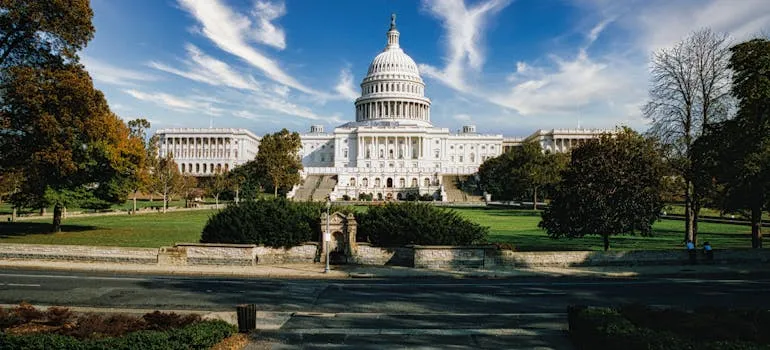
Traffic patterns and parking rules require extra coordination. Many of Capitol Hill’s streets are one-way, which makes turning large vehicles or parking along curbs challenging. Long stops in front of rowhouses are often restricted, especially on bus routes and high-traffic blocks. Therefore, obtaining parking permits in advance can prevent delays and fines. Movers familiar with Capitol Hill’s layout can help plan efficient access points and handle bulky items carefully through tight entryways, making your relocation experience smoother and more organized.
Adams Morgan: Steep streets and nightlife congestion
Adams Morgan is one of Washington, DC’s most energetic neighborhoods, known for its nightlife, restaurants, and historic buildings. However, its lively atmosphere can make moving there difficult. Parking spaces are limited due to bars, restaurants, and weekend crowds along 18th Street NW. Trucks often face challenges finding legal loading zones, especially during evening hours. The steep streets and narrow staircases in older apartment buildings also add complexity to residential and commercial relocations. Early-morning scheduling is best for avoiding congestion and securing parking permits. Experienced office moving companies DC residents trust can help navigate these conditions—especially if you are relocating your office here and need to minimize business downtime.
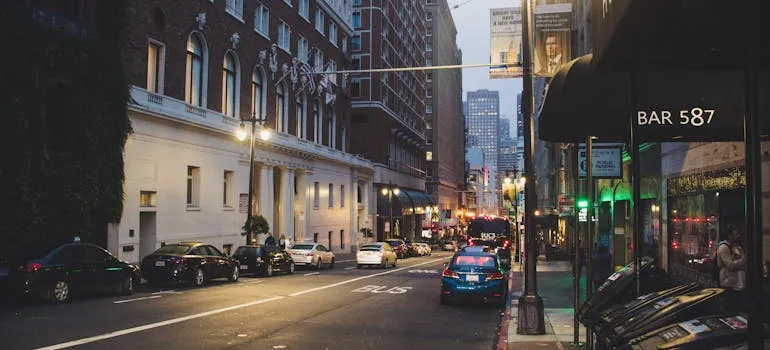
Physical layout is another key factor. Many walk-up apartments and offices in Adams Morgan have limited elevator access or none at all. Therefore, movers must handle heavy or fragile items carefully to prevent damage. For instance, large desks or glass furniture may require disassembly or extra padding when carried up steep staircases. Planning weekday moves reduces delays caused by nightlife activity and street closures. Among DC neighborhoods that require special moving considerations, Adams Morgan stands out for its energy, tight access, and need for precise timing and professional coordination.
Logan Circle: Historic buildings and limited parking access
Logan Circle is one of Washington, DC’s most elegant and historic neighborhoods, but moving there requires thoughtful preparation. Its restored Victorian homes and renovated apartment buildings are protected by strict preservation rules. These restrictions often limit the use of large moving equipment or exterior modifications. Streets surrounding the circle are usually busy, with limited curb space and constant traffic, especially along 13th and P Streets NW. If you are thinking about relocating with residential movers Washington DC, it’s wise to plan well in advance. Parking permits from the DC Department of Transportation are often required, and securing them early ensures your moving truck can park close to your new home.
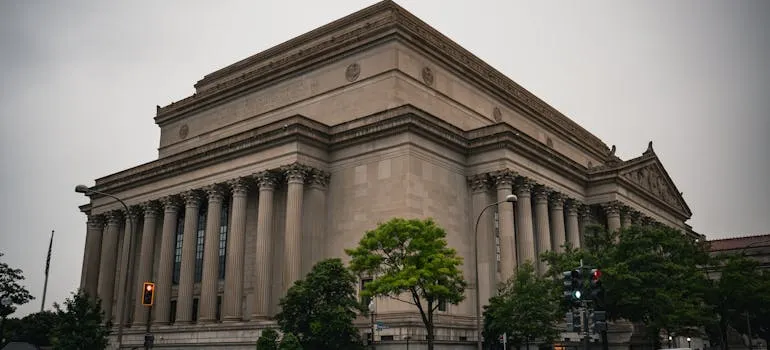
Historic architecture also presents unique logistical challenges. Many buildings have narrow entrances, smaller elevators, or long hallways that make moving large furniture difficult. Coordinating with your building manager is essential to reserve elevator time and protect interior walls or floors. Morning moves work best since parking and street activity increase later in the day. Additionally, movers may need to use protective coverings or lift equipment to prevent damage to restored surfaces. With careful planning and experienced professionals, settling into this beautiful and historic part of the city becomes much easier.
Foggy Bottom: University proximity and security zones
Foggy Bottom is one of Washington, DC’s most distinctive areas, combining residential buildings, federal offices, and university housing. The presence of George Washington University and nearby government institutions makes moving logistics complex. Streets are often crowded with student traffic, and access to certain blocks may be restricted due to federal security zones. Large moving trucks sometimes require advance clearance, especially near the State Department or World Bank buildings. Parking regulations are also strict, with limited curb space and frequent inspections. If you’re planning a move between DC and Maryland, hiring professional movers DC to MD can help you navigate these specific access and timing rules efficiently.
Timing your move is essential in Foggy Bottom. The best windows are during university breaks, such as late May or December, when campus activity slows down. Moving during these times helps avoid student congestion and eases parking permit approvals. Since some buildings prohibit overnight parking or extended unloading, arranging for temporary storage is a smart alternative. Short-term storage units near Dupont Circle or Arlington offer convenient solutions. Movers experienced in this area can also coordinate with property managers to reserve elevators and loading docks, ensuring your relocation happens smoothly and within DC’s security guidelines.
Navy Yard: New developments and building management policies
Navy Yard has quickly become one of the most desirable family-friendly neighborhoods in Washington, known for its modern apartments, riverfront parks, and active community. However, frequent construction and strict building policies can make moving here complicated. Many streets are still developing, which means trucks must navigate detours or temporary closures. Large residential complexes often have specific move-in rules, including set time slots for unloading. Failing to reserve a slot in advance can result in delays or denied access. Since space is limited, most buildings require elevator reservations and use of designated loading docks to protect shared areas from damage.

Coordination with property management is key to a smooth relocation inthe Navy Yard. For example, apartment communities near Nationals Park or Yards Park usually require residents to complete move-in paperwork several days ahead. Some buildings even mandate proof of insurance from moving companies before approving access. Movers familiar with these procedures can handle the logistics efficiently, avoiding scheduling conflicts with other tenants. Although these steps may seem strict, they help maintain the safety and order of this growing urban neighborhood, allowing new residents to settle in quickly and comfortably.
Petworth: Residential streets and older home layouts
Petworth offers a warm community atmosphere with classic DC rowhouses and peaceful, tree-lined streets. However, these same features often make moving more complex. Narrow roads and overhanging trees can restrict access for large moving trucks, especially on blocks near Grant Circle and Upshur Street. Many homes have smaller doorways, steep steps, or basement apartments that require careful maneuvering of furniture. Movers often need to disassemble larger pieces before bringing them inside. These factors make Petworth one of the DC neighborhoods that require special moving considerations due to its traditional architecture and limited parking availability.
Planning ahead is essential for a smooth relocation in this area. Parking restrictions vary by block, and temporary permits from the DC Department of Transportation are often required for moving vehicles. It’s best to apply several days before your move to secure space close to your home. Additionally, some streets fill quickly with residents’ cars, so early morning schedules help avoid congestion. Hiring movers experienced with older home layouts ensures your furniture and property stay protected. With proper preparation and neighborhood awareness, settling into Petworth can be an easy and enjoyable experience.
DC neighborhoods that require special moving considerations: Key logistics to remember
Relocating within Washington DC, presents unique challenges that often surprise newcomers. Narrow streets, limited parking, and strict regulations can complicate the process, especially in historic or high-density areas. Each neighborhood follows specific rules that may require parking permits or scheduled loading times. Therefore, planning ahead and hiring movers with local expertise is essential. Professionals who understand traffic flow, building access, and parking restrictions can save you time and prevent costly fines. Preparation ensures that your moving day goes smoothly, no matter which neighborhood you choose. These factors are why some areas remain among the DC neighborhoods that require special moving considerations for residents and businesses alike.

Before moving day, it helps to stay organized and confirm key details. Many issues can be avoided with clear communication and proper paperwork. Below is a checklist to keep your move efficient and stress-free:
- Secure parking permits through the DC Department of Transportation.
- Confirm elevator reservations or building access times.
- Prepare protective coverings for floors and walls.
- Keep moving essentials—tools, documents, and keys—easily accessible.
- Check traffic updates and construction alerts before departure.
Plan ahead for a successful DC relocation
A successful move in Washington, DC, depends on preparation and timing. Every neighborhood has unique rules, traffic patterns, and space limitations that can affect moving day. Careful planning helps avoid parking issues, delays, or unexpected costs. Choosing movers who understand the area ensures that your relocation stays efficient and organized. Whether you are moving into a historic rowhouse or a downtown apartment, early scheduling makes a difference. Securing permits and communicating with building managers should always be part of your checklist. By planning each step thoughtfully, you can enjoy a smooth transition into your new home. Remember, DC neighborhoods that require special moving considerations demand extra attention, but with the right preparation, your move will be simple and stress-free.

