
Many retirees spend winters in warmer places to avoid cold weather. These seasonal residents are known as snowbirds. They often split their time between states like Virginia and Florida, Arizona, Texas, or South Carolina. To support this lifestyle, moving companies in Virginia offer services that help with both short-term and long-term relocations. Before heading south, it helps to research housing options, healthcare access, and tax rules. Also, take time to compare local costs and travel schedules. Planning ahead prevents surprises and helps you settle faster. If you’re moving from Virginia to warmer states, pack based on climate and storage needs. This guide covers practical steps, from choosing your second home to staying organized while living seasonally in two different places.
Understand the snowbird lifestyle before making the leap
Living in two states may sound ideal, but it takes careful planning. Many people become snowbirds to escape winter while keeping ties to their original home. They usually spend three to six months in places like Florida or Arizona. This allows them to enjoy mild weather and return north when spring arrives. However, maintaining two households comes with extra costs. You’ll need to arrange travel, secure housing, and manage responsibilities in both places. To help with this, experienced movers DMV can handle the seasonal move with less stress. Before choosing a location, consider your personal needs. Some prefer areas with active communities, while others seek quiet surroundings. Climate matters, too. For example, Arizona offers dry heat, but Florida has high humidity. Healthcare, walkability, and local services can also influence your choice. Make a list of your priorities and research several cities. Being flexible helps you adjust if your plans or needs change over time.

Choosing the right location based on climate, costs, and amenities
Choosing a snowbird destination depends on more than just sunshine. While Virginia has four seasons, many retirees seek warmer winters elsewhere. For example, Arizona offers dry, sunny days with little rain. Florida, on the other hand, has mild winters but more humidity. Texas provides a balance, with warmer weather and lower property costs. If you’re leaving a place like Arlington, it helps to speak with movers Arlington VA for guidance on long-distance planning and timing. They often assist retirees heading to cities like Tampa, Phoenix, Austin, and many other warmer cities.

Besides the weather, look at the cost of living. Groceries and property taxes in Florida are often lower than in Northern Virginia. Arizona may offer cheaper housing, but healthcare services can vary by city. Access to hospitals, urgent care, and specialists should be part of your checklist. Also, consider your hobbies. Florida has golf courses and beaches, while Arizona offers hiking and nature parks. Texas has a mix of both. Finally, staying near a major airport helps with travel to and from Virginia. Cities like Tampa, Phoenix, and Dallas meet this need well.
Legal and tax implications of moving from Virginia to warmer states
Spending several months outside Virginia each year may affect your tax status. Some states, like Florida and Texas, do not collect state income tax. That makes them popular choices for retirees looking to reduce annual costs. However, changing your residency requires more than just spending time in a warmer state. You must show proof of where you spend most of the year. That includes where you vote, receive medical care, and register your vehicle. For those using long distance movers Virginia, it’s helpful to move essential documents and items that support a change in legal residency.
Before making any move, talk to a tax advisor familiar with multi-state filings. Virginia may still expect a tax return unless you fully change your primary residence. Property tax rates also differ. For instance, Florida offers lower rates and homestead exemptions, which help cut costs for full-time residents. Texas has no state income tax but higher property taxes in some areas. Estate taxes may apply depending on your assets and state of legal residence. Knowing these rules ahead of time helps you avoid mistakes and stay compliant with tax laws in both states.
Budgeting for two households or long-term stays
Planning a snowbird lifestyle means managing the cost of living in two places. You may choose to rent in Florida or Arizona while keeping your primary home in Virginia. Renting a two-bedroom condo in Tampa can cost around $2,200 per month. Meanwhile, property taxes in Virginia are higher than in many southern states. You’ll also need to budget for residential movers Virginia, especially if you plan to move belongings seasonally. Set aside funds for moving services, security deposits, and travel between locations.

In addition, factor in utility bills, insurance, and maintenance for both homes. Electricity costs in Virginia average around $130 per month. In warmer states, cooling costs can be much higher during peak months. You may also need lawn care or property checks while away. Travel costs add up quickly, especially with flights or long drives. To stay organized, use apps like Mint or YNAB to track spending in each location. These tools can help you set monthly limits and prepare for seasonal shifts. With a clear budget, you’ll enjoy more peace of mind while living between two states.
Health care access and insurance while out of state
Access to healthcare is a major factor when living in two different states. Snowbirds often keep doctors in Virginia while finding new providers in their winter location. Medicare is accepted nationwide, but some plans limit your coverage area. Before moving south, check if your Medicare Advantage plan includes providers in your new city. Local clinics may also require separate paperwork. Based on experience, local movers Virginia often recommend packing copies of medical records, prescriptions, and insurance cards before the trip.
Switching states part-time can also affect your prescription access. Pharmacies like CVS or Walgreens offer transfers between locations, but not all medications are available everywhere. Ask your doctor for refills in advance, especially if you’re staying more than 90 days. Also, consider adding supplemental insurance that includes coverage outside your main state. For example, Florida has many plans tailored to seasonal residents. You may also find more specialists in larger cities like Tampa or Phoenix. Anyone moving from Virginia to warmer states should review provider networks, especially for ongoing treatments. Doing this early helps avoid delays and keeps your care consistent year-round.
What to pack and leave behind for seasonal moves
Preparing for a seasonal move involves more than packing clothes. Bring items you’ll use daily, such as medications, chargers, important documents, and kitchen basics. Also, pack light layers and sun-protective clothing. Southern states like Florida and Texas may still have cooler evenings in the winter, so include a sweater or light jacket. If you’re relocating your business for the season, talk to commercial movers Virginia companies hire for winter moves. They can advise on how to safely move electronics, office files, and equipment.
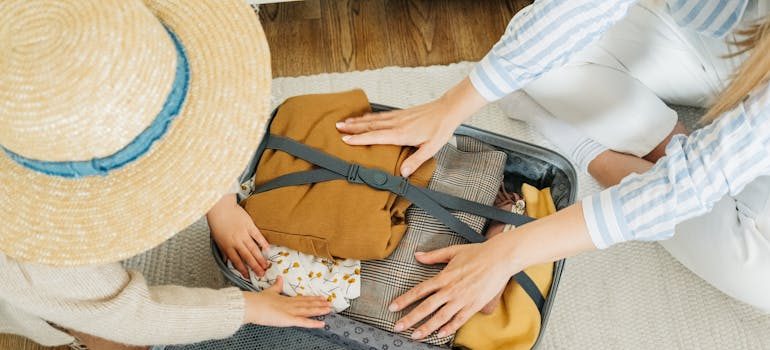
At the same time, decide what should stay in Virginia. Store seasonal gear like snow shovels, winter coats, and holiday decorations. Use labeled bins or a climate-controlled unit for anything valuable. Keep important papers—such as tax forms, insurance policies, and IDs—in a secure folder you carry with you. For electronics, bring items like a laptop, backup drive, and chargers, but leave unused gadgets behind. Checklists help keep things organized and reduce the risk of overpacking. Label boxes clearly to make unpacking easier. This way, you’ll settle in faster without missing essentials or carrying unnecessary extras.
Transportation tips for long-term seasonal travel
Driving or flying to your seasonal home each year comes with trade-offs. Driving offers flexibility and the ability to bring more personal items. It also helps if you’re bringing pets or bulky items. However, long drives can be exhausting and require hotel stays. Flying is faster, but baggage limits may lead to added fees. Those moving from Maryland to Virginia often start with a short drive, but those continuing on to Florida or Arizona may need to fly and ship their car instead.
Once you arrive, think about how you’ll get around. Some snowbirds rent cars by the month, while others rely on public transportation. For example, in cities like Tampa or Phoenix, having a car makes errands easier. However, in areas like Miami or San Diego, public transit and rideshares may be enough. Airport access also matters. Cities like Orlando, Fort Lauderdale, and Austin have well-connected airports, which makes travel back to Virginia easier. Always compare rental rates and monthly transit passes before deciding on your seasonal transportation plan.
Managing home responsibilities while away
Leaving your Virginia home for months means taking extra steps to keep it secure. Some snowbirds hire a house sitter or use a local property manager to check in weekly. This helps prevent issues like leaks or power outages from going unnoticed. Others ask a trusted neighbor to stop by occasionally. If you’re moving from Virginia to warmer states, create a checklist that includes winterizing your home. Turn off the water at the main valve, unplug small appliances, and lower the thermostat to save energy.

Also, make sure you set up mail forwarding with USPS before you leave. Choose a start and end date that match your seasonal stay. At the same time, install a home security system that allows remote monitoring. Many systems include cameras and motion sensors that send alerts to your phone. Companies like Ring or SimpliSafe offer easy setup and affordable monthly plans. Share your emergency contact list with a nearby friend or family member in case something goes wrong while you’re away. Taking these steps gives you peace of mind and helps protect your home while you enjoy the winter in a warmer climate.
Social life and community integration after moving from Virginia to warmer states
Adjusting to a new community takes time, but joining local clubs can help. Snowbird groups are active in states like Florida and Arizona, where many seasonal residents gather for events and shared activities. In the state of Virginia, you might belong to a neighborhood association or church group. After moving from Virginia to warmer states, look for similar options in your new area. For example, The Villages in Florida offers social clubs, fitness classes, and group outings. These groups help you meet people quickly and stay active during your stay.
Volunteering is another great way to connect. In Virginia, you may volunteer at a food pantry or library. In cities like Tucson or Naples, volunteer centers match retirees with schools, hospitals, and nonprofit groups. Some snowbirds also take seasonal jobs at local shops or resorts. Making new friends can also happen through local classes, hobby groups, or faith communities. Stay in touch with friends in Virginia through video calls and visits. Balancing both lives takes effort, but it becomes easier with routine. Over time, you’ll feel more connected in both places and enjoy each season more fully.
Timing your move to avoid seasonal headaches
Seasonal timing can affect every part of your move. Leaving Virginia in early November helps you avoid snow and holiday traffic. Flights and moving services also cost less before peak travel weeks. On the other hand, waiting until January may help you avoid crowds in warm-weather states. Many snowbirds arrive between December and March, so early planning is essential. Book flights, rentals, or hotels at least two months ahead. This gives you more choices and better prices.
Health and safety also matter when choosing your move date. For example, hurricane season lasts from June to November in Florida and the Gulf Coast. Moving earlier or later reduces weather risks. Also, allergy season varies by state, so check local pollen forecasts before traveling. Here are tips to decide the best time for your move:
- Check weather trends in both locations
- Compare flight and rental prices by month
- Look at tourist calendars and local event schedules
- Consider your health and seasonal needs
- Talk with others who follow the snowbird lifestyle

Enjoy your snowbird lifestyle with less stress
Living part of the year in a sunnier climate can bring comfort, better health, and a fresh routine. Planning early helps reduce stress and makes each season more enjoyable. Whether you stay for a few months or longer, having a clear plan improves daily life in both locations. Make sure your home in Virginia is secure, your budget is set, and your healthcare is in place. Many people find that moving from Virginia to warmer states gives them more freedom and flexibility. However, success depends on staying organized and informed. Use checklists, stay in touch with both communities, and review your plans each year. With the right approach, you can enjoy your snowbird lifestyle with fewer worries and more peace of mind.

