
Lab relocation takes more than just good planning. If you’re managing a full lab transfer or moving just one piece of sensitive equipment, every step matters. For example, downtime during a -80°C freezer move can ruin years of research. Also, vibrations during transport can damage high-precision microscopes. That’s why many local labs rely on commercial movers Rockville MD for complex jobs. Before you begin, assign team members to handle equipment, IT, safety, and access. Define your success targets clearly. This could include maintaining cold chain storage or reconnecting servers within 48 hours. Most importantly, make sure every piece of equipment has a backup and a label. If you plan to move laboratory equipment in Rockville, these steps reduce delays, damage, and stress.
Build a complete equipment inventory and risk map
Creating a full equipment inventory is one of the most important first steps. Begin by listing each item with key details such as model, serial number, weight, and fragility level. This helps organize packing methods and transport needs. For instance, shock-sensitive or “must-stay-upright” items like centrifuges require special handling. Labeling these clearly will prevent mistakes during loading. Besides that, mark devices that need recalibration or service checks after the move.
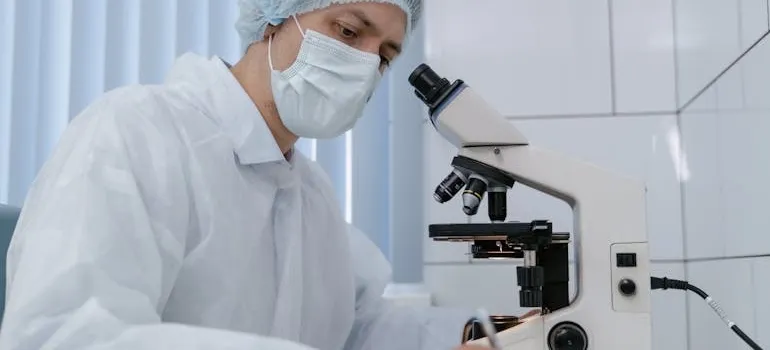
Also, review what needs draining or chemical neutralization. Freezers, water baths, and certain analyzers may contain liquids that must be emptied before moving. High-value tools like spectrometers should have a chain-of-custody log. This helps avoid loss or disputes. Even short local moves can create issues without proper tracking. To stay on schedule, plan for inspections before and after transport. When working with movers DMV labs trust, share this inventory early so they can prepare the right tools and staff. If you’re getting ready to move laboratory equipment in Rockville, this level of planning can prevent delays and avoid damage to expensive systems.
Pack, brace, and protect sensitive instruments the right way
Packing lab equipment correctly lowers the risk of damage during transport. First, choose packing methods that match the equipment type. For example, anti-static wraps help protect electronic components. Delicate tools like microscopes or spectrophotometers often need foam-in-place or custom crating. Also, use tilt and vibration indicators on containers holding fragile or expensive items. These indicators help track handling and alert you to possible damage. For items with optics or moving parts, always lock them in place before packing. Tight bracing helps prevent internal shifts during transit. That’s why commercial movers in Maryland often use internal restraints and protective barriers.
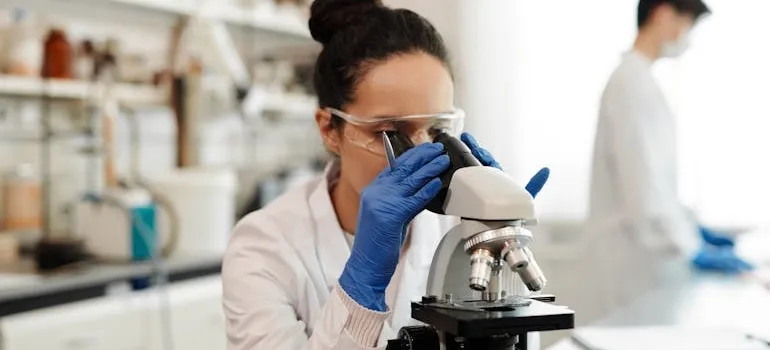
Temperature-sensitive items require cold-chain planning. Freezers, blood analyzers, and refrigerated reagents must remain within set ranges. Plan ahead for ice packs, gel packs, or powered containers. Equally important, keep clean and contaminated items separate. Used pipettes or containers should not travel in the same crate as sterilized tools. This avoids cross-contamination and simplifies unpacking at the new lab. Label crates clearly with handling instructions and contents. Finally, double-check everything before sealing. When you prepare equipment with care, you lower repair costs and speed up reinstallation once you arrive. Careful packing leads to a safer and faster lab setup.
Manage compliance, hazards, and documentation in Maryland
Hazardous materials must be organized before you begin packing your lab. In Maryland, that means separating chemicals, biologicals, sharps, and universal waste. You should identify which items require disposal and which need certified transport. Rockville facilities often fall under strict local safety rules, especially in biotech parks and shared commercial labs. For example, regulated medical waste must be handled by licensed haulers approved by the Maryland Department of the Environment (MDE). It’s best to contact them early to confirm transporter availability. Movers in Maryland may help with coordination, but cannot legally transport restricted waste themselves.
Next, prepare all required documentation in advance. That includes shipping papers, SDS sheets, and emergency contact lists. Keep physical copies on-site during loading and unloading. Store them in a clearly marked folder or box, so anyone can access them quickly if needed. Also, plan for the decontamination of all work surfaces and packing areas. Rockville landlords—especially in leased research suites—often request proof of final area clearance. Work with your lab’s EHS team or an external provider to document that cleaning is complete. This step helps avoid delays during inspection or lease turnover. It also supports safety for the next team using the space.
How to move laboratory equipment in Rockville while working around local lab realities
The city of Rockville has a strong life sciences presence, which affects how lab moves happen. The area is home to many federal agencies, biotech firms, and research groups. Because of this, access to some facilities may require advanced clearance or background checks. Companies like Emergent BioSolutions and organizations at the NIH campus influence vendor scheduling, especially during peak business hours. Planning early helps avoid conflicts. Also, traffic along the I-270 corridor can cause delays, particularly during morning and evening rush hours. You should factor this into your pickup and delivery windows to avoid wasting time or causing backups at loading zones. Moving lab equipment in Rockville often involves shared research spaces and managed buildings. For this reason, coordinate with property managers ahead of time. In particular, make sure to:
- Book freight elevators in advance, as most buildings have strict reservation systems.
- Follow loading dock rules, including time limits and height restrictions.
- Arrange for security check-ins if movers need access badges or escorts.
After-hours moves are also a good option to reduce disruption to other tenants. If temporary lab space is needed, The Universities at Shady Grove may offer short-term solutions through shared academic research areas. This can help keep projects running during relocation.
Verify performance, restore workflows, and close out the move
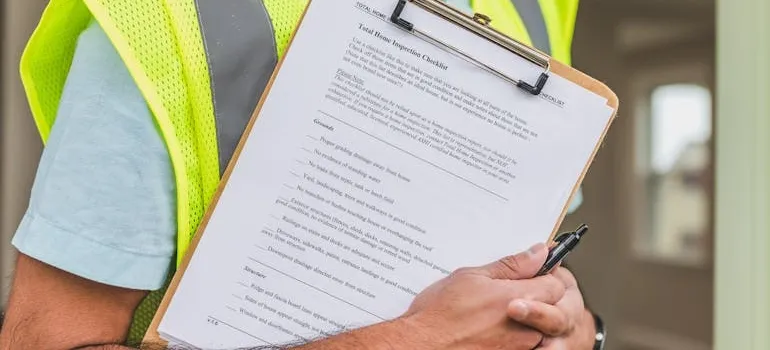
After the move, take time to verify equipment and restart all critical systems. Begin with a physical check. Look for signs of damage, broken seals, or disconnected parts. If you used tilt or vibration indicators, inspect them before unpacking. Next, confirm power, network, and calibration status. Temperature-controlled devices like freezers or incubators should be monitored for several hours. Always run a test cycle before resuming regular use. Once everything is in place, reconnect your lab team to their workflows. This includes restoring data backups, validating software, and documenting equipment functionality. Clean up remaining packing materials and update your inventory. These final steps help close out the project properly. When you move laboratory equipment in Rockville, finishing strong is just as important as starting with a good plan.

