
Living in Bethesda gives you a quieter home base, yet Washington, D.C., stays close enough for daily work. That is why many people review their options early, especially when planning a move with movers Bethesda MD, and trying to picture daily life after it. For some commuters, the Red Line offers a direct and steady option. Others prefer driving when they need more flexibility. Even so, commuting from Bethesda to Washington can feel very different at 7:00 a.m. than at 9:00 a.m. A short trip on the map may still require planning. Your work address shapes the best routine. If your office sits near Metro Center or Farragut North, rail may save time and parking costs. In contrast, jobs near less direct transit stops may call for driving, bus links, or a mixed route.
Compare Driving and Bus Options
Driving gives you the most control, but it also brings the most variables. That matters when you are balancing office hours, parking costs, and traffic on Wisconsin Avenue or near downtown Washington. Many people who work with moving companies DC area also compare commute options before choosing where to live in Bethesda. If your job starts early, driving may feel easier because you can leave before heavier congestion builds. Still, parking in Washington, D.C. can add a high daily cost. In contrast, a bus ride may cost less and remove the pressure of finding a garage. Yet buses can take longer when traffic slows key corridors.
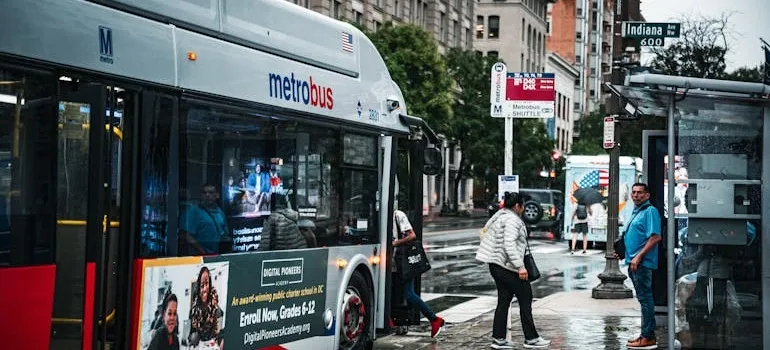
Public transit works best when your schedule stays consistent. For example, a bus connection may suit you if your office is near a direct stop. Ride-share can also help on days when you miss the bus or need a faster trip home. However, those costs add up quickly if you use them every day. A mixed routine often works better. You might take the bus during the week, then drive only when meetings run late. As a result, you can match cost, comfort, and time more effectively.
Commuting From Bethesda to Washington by Metro
For many workers, Metro offers the most reliable way to reach Washington from Bethesda. That is one reason people planning a move with moving companies DMV often look at the Red Line before signing a lease. Bethesda station gives you direct access to downtown, which helps if your office sits near Metro Center, Gallery Place, or Dupont Circle. In some cases, one transfer can take you farther across the city with less stress than driving. However, rush hour trains can get crowded, especially between 7:30 and 9:00 a.m. Even so, service usually stays more predictable than road traffic. That makes Metro a practical choice for weekday commuters who want a steadier schedule.

Station access also affects how useful the Metro feels each day. If you drive to Bethesda Station, early parking demand may shape your routine. On the other hand, walking, biking, or using a short drop-off can save time. A SmarTrip card also helps because it speeds up entry and keeps fare planning simple. As a result, you can budget your monthly commute more easily. When your work hours stay regular, Metro often supports a routine you can actually maintain.
What Traffic Patterns Mean for Drivers
Road traffic between Bethesda and Washington, D.C. can change quickly, even on a short route. That is why many people who compare moving services in Maryland also look closely at commute patterns before settling in. Wisconsin Avenue, East-West Highway, and nearby access points toward downtown can all slow down during peak hours. A trip that takes 20 minutes early in the morning may take twice as long after 7:30 a.m. Rain, road work, and lane closures can stretch it even more. So, your departure time often matters as much as your route. Drivers who leave earlier usually gain a more stable trip and fewer surprises.
Parking adds another layer to the decision. In many parts of downtown Washington, D.C., garage rates can raise your monthly commute cost fast. Street parking may look cheaper, but spaces often fill early, and time limits create pressure. In return, driving gives you privacy, storage space, and more control over your schedule. Still, that comfort often costs more than transit. For that reason, it helps to test two or three backup routes. You should also watch traffic patterns for a full week before choosing your regular plan.
How to Build a More Manageable Daily Routine
A better routine starts before you leave home. That is especially true for commuting from Bethesda to Washington, where small delays can affect the whole day. Try leaving at the same time each morning, because consistency helps you spot what works. Also, pack your work bag, lunch, and charger the night before. Lay out your clothes early as well. That way, you avoid rushed decisions before work. If you take public transit, use the ride for emails, reading, or planning your day. In contrast, if you drive, set your route and check traffic before you leave. A few simple habits can lower stress on both ends of the commute.
Hybrid work can also change what your best routine looks like. If you only travel two or three days a week, test different options instead of copying a five-day pattern. Some days may favor Metro, while others may make driving easier. So, track your time, cost, and stress level for at least one week. Then adjust your plan based on real results.
- Bethesda to Metro Center by Red Line for direct downtown access
- Bethesda to Dupont Circle by Red Line for offices near Connecticut Avenue
- Bethesda to Farragut North by Red Line for jobs near K Street
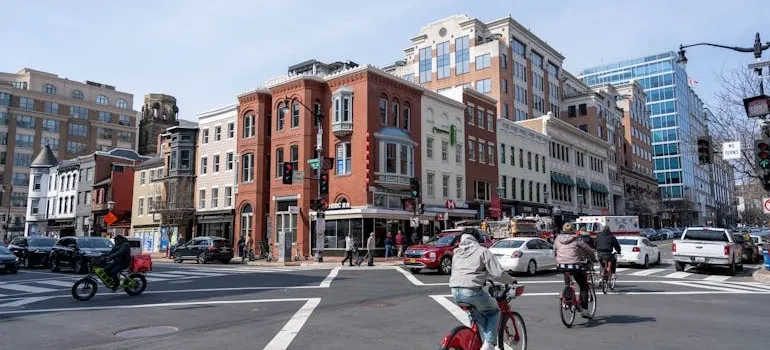
Choose the Commute Plan That Fits Your Life
No single route works for everyone, because work hours, office location, and budget all shape the best choice. For some readers, Metro offers the most stable option. For others, driving gives better control, especially with irregular hours or extra stops. Still, commuting from Bethesda to Washington gets easier when you test your options instead of guessing. A short trip can feel very different based on departure time, parking access, or transfer points. That is why a practical routine matters. Track your travel time, daily cost, and stress level for a week. Then use that information to build a plan that fits your life, not just the map. A better commute can support a better workday.

