
Relocating for a new job, growing family, or lifestyle change is a big decision. Timing, organization, and support all play a role. That’s why people often turn to trusted companies like Beltway Movers for reliable help. Starting early makes a difference. Planning ahead gives you time to compare moving quotes, sort your belongings, and book services without last-minute stress. Whether you’re a family preparing for a cross-town move or a renter heading to a new city, this guide can help. It covers timelines, budgeting, packing tips, and more. If you’re planning your move, knowing what steps to take early can save you time and money. This article is useful for individuals, couples, and homeowners at any stage of the process.
Create a moving timeline and checklist that fits your schedule
Setting a clear timeline can make your move more manageable. Most local movers Northern VA recommend starting at least eight weeks in advance. Begin by choosing your moving date and count backward to organize your schedule. Divide your tasks into weekly goals. For example, start with sorting and donating unused items. Then move on to gathering supplies, packing non-essentials, and confirming utility transfers. Closer to your move, set reminders for address changes, service cancellations, and important appointments.
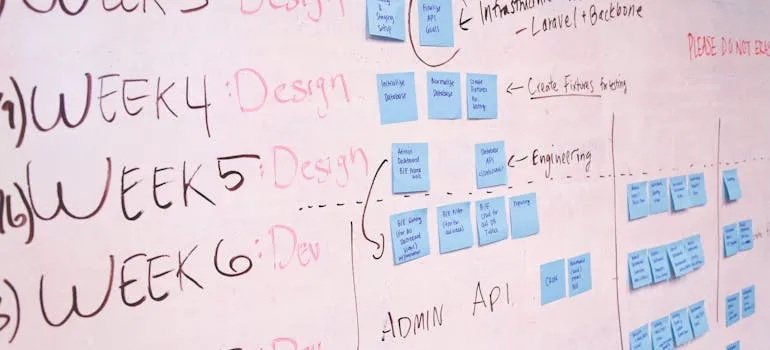
Using checklist tools can help you stay on track. You can download printable checklists or use apps like MoveAdvisor or Sortly. These tools let you track progress and avoid missing important tasks. Many also send reminders to keep you on schedule. Timelines reduce last-minute stress by spreading out responsibilities over several weeks. Instead of rushing, you’ll have time to adjust if delays or changes happen. Even small steps, like scheduling donation pickups early, help reduce pressure. Following a clear schedule keeps things organized and helps you feel more prepared. With the right checklist, your move can run on time and with fewer surprises.
Set a realistic moving budget and stick to it
It is certain that moving on a budget requires careful planning and clear limits. Common expenses include renting a moving truck, hiring labor, buying packing supplies, and paying deposits. However, unexpected costs can arise. For example, you might face fees for moving heavy items or last-minute storage needs. These extra charges can add up quickly.

Choosing between DIY and professional movers impacts your budget. Renting a truck and doing the packing yourself is usually cheaper but takes more time and effort. Hiring professionals costs more but offers convenience and insurance. Many recommend starting to collect quotes at least six to eight weeks before your move. This gives you time to compare prices and services. Tracking expenses helps keep your budget on target. Use a simple spreadsheet or budgeting app to log every cost. Include small purchases like tape or boxes, which can add up. Sticking to your budget prevents surprises and helps you avoid unnecessary stress during your move.
Planning your move with kids or pets in mind
Moving with children and pets requires thoughtful preparation to ease stress for everyone involved. Start by talking openly with your children about the move well in advance. Using tools like a countdown calendar or storybooks helps them understand what to expect. Packing a special bag with favorite toys, snacks, and comfort items ensures they feel secure on moving day. Pets also need attention—schedule vet visits and update vaccinations before the move. Keep their essentials like food, leashes, and bedding handy. During the move, provide a quiet, safe space for pets to stay calm.
After arriving, allow pets time to adjust by letting them explore their new home gradually. Plan ahead for schools, doctors, and daily routines to minimize disruption. Transfer school records early and research new healthcare providers. For instance, families who hire movers in Rockville MD often assign someone to supervise kids and pets during the move. This extra care keeps them safe and comfortable. With thoughtful planning, moving with kids and pets becomes a smoother experience for the whole family.
Declutter your home before packing anything
Following a green moving guide can help you declutter your home before packing. Start by going room by room. Decide what to keep, donate, sell, or toss. Early decluttering reduces the amount you need to pack and move. It also lowers waste and saves money. For example, you might find old clothes, unused kitchen gadgets, or broken electronics that you no longer need.
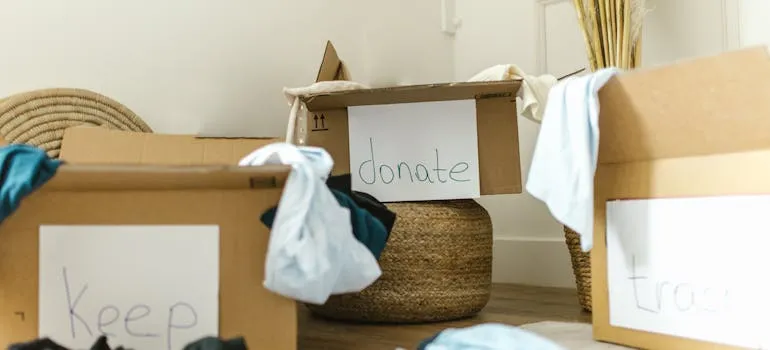
Organizing a garage sale or scheduling a donation pickup makes the process easier. Local charities often offer free pickup services. Selling items online can also help offset moving costs. Use digital tools like inventory apps or spreadsheets to track what you plan to keep and discard. Decluttering before packing simplifies planning your move. It creates more space and reduces clutter in your new home. Starting early gives you time to make thoughtful decisions. This step makes moving less overwhelming and more environmentally friendly. Taking the time now will pay off on moving day and beyond.
Choose the right packing supplies for your needs
Many movers and packers in Maryland recommend choosing the right packing supplies to protect your belongings. Start with sturdy boxes in various sizes. Specialty containers like wardrobe boxes or dish packs help keep fragile items safe. Using proper labels is essential. Clearly mark boxes with their contents and room destination. Quality tape and padding materials, such as bubble wrap or packing paper, prevent damage during transit.

Consider reusable packing supplies to save money and reduce waste. Plastic bins and foam inserts can be used multiple times. However, disposable options like cardboard boxes are often easier to find and recycle. Affordable supplies are available at hardware stores, moving supply shops, and online retailers. Avoid common mistakes when packing fragile items. Don’t overpack boxes or leave empty spaces inside. Wrap items individually and use cushioning material to fill gaps. Label boxes as “fragile” and communicate special handling needs to your movers. Selecting the right supplies ensures your belongings arrive safely and makes unpacking easier.
Start packing early and pack smart
When you plan to pack an entire house, starting early is essential. Begin with off-season items and decorations that you won’t need before the move. This reduces last-minute packing stress. Packing one room at a time helps keep things organized. It also makes unpacking simpler once you arrive at your new home. Labeling boxes clearly is very important. Write the room name and a brief description of the contents on each box. Using color-coding or numbering systems can improve this process further. For example, assign a color sticker to each room. This helps movers know where to place each box.
Avoid overloading boxes to prevent damage. Heavy items like books should go into smaller boxes, while lighter items can fill larger ones. Use packing materials like bubble wrap or towels to protect fragile objects. Smart packing protects your belongings and saves time during the move. Taking these steps early makes the whole process smoother and less stressful.
Research and book your movers in advance
Booking your movers well in advance can save time and reduce stress, especially if you are moving long distance. It’s important to compare licensed movers carefully. Look for companies with strong reviews and proper insurance coverage, such as long distance movers Virginia offers. This protects your belongings and ensures a smoother move. Getting at least three estimates helps you understand the market rates and services offered. When talking with movers, ask key questions. Inquire about experience, pricing details, and extra fees. Also, clarify their cancellation policies to avoid surprises later.

Knowing the difference between local and long-distance movers is helpful. Local movers usually charge by the hour, while long-distance movers use weight and distance to calculate costs. Understanding these factors helps you choose the right service for your move. Taking these steps early ensures you hire a reliable team. It also gives you time to prepare and make adjustments if needed. Early research makes your move less overwhelming and more efficient.
Prepare your new home before moving day
When planning your move, preparing your new home before moving day can save time and reduce stress. Scheduling cleaning or maintenance ahead of time ensures the space is ready for your arrival. For example, arranging for carpet cleaning or fixing leaks beforehand can prevent future hassles. It’s also important to organize deliveries of appliances or furniture. Confirm delivery dates and times so everything arrives smoothly.
Checking safety features is another key step. Make sure smoke detectors work and replace batteries if needed. Test door locks and consider changing codes for security. Setting up utilities in advance avoids waiting without water, electricity, or internet. Contact providers early to schedule service start dates. Finally, confirm access to your new home. Verify you have all keys, gate codes, and parking permits if required. This helps avoid delays on moving day. Taking these steps ensures your new home is comfortable and secure from day one, making the transition easier for you and your family.
Stay organized on moving day
Staying organized on moving day can make the process much smoother. Assigning specific roles to family members or hiring professional help ensures tasks get done efficiently. For example, one person can oversee packing while another manages the loading. Keeping essentials in a separate bag or box is crucial. Items like important documents, medications, and chargers should be easy to access throughout the day.

Preparing snacks, water, and a first-aid kit helps everyone stay energized and ready. Moving can be physically demanding, so staying hydrated is important. Securing parking spots close to your door or reserving elevator time in advance avoids unnecessary delays. Make sure to confirm these details with building management if needed. Finally, monitor the loading process carefully. Double-check each room and closet to ensure nothing is left behind. Keeping track of what goes into the moving truck prevents lost items and saves time during unpacking. Being organized on moving day reduces stress and keeps the process on schedule.
Planning your move to fit your long-term goals
Planning your move to fit your long-term goals can make a big difference in your satisfaction with your new home. Start by choosing a neighborhood that matches your lifestyle and daily needs. Think about factors like schools, job access, and available space for the future. For example:
- Families might prioritize neighborhoods with well-rated schools and safe parks.
- Professionals may focus on areas with easy access to public transit or highways for a shorter commute.
- Those planning to expand their household could look for homes with extra bedrooms or larger yards.
Balancing price, commute times, and community features is essential. A more affordable home might mean a longer commute, so weigh your priorities carefully. Sometimes renting short-term before buying helps you get to know the area better. This approach allows you to test out the neighborhood before making a big investment. Finally, reflect on how the move fits your overall life plan. Consider how the new location supports your career, family needs, and personal growth. Thoughtful planning now leads to a more fulfilling living experience down the road.
Why planning your move early leads to better results and less stress
Starting early with planning your move makes the entire process smoother and less stressful. When you begin ahead of time, you have more options for scheduling movers, packing, and handling unexpected tasks. Early preparation lets you organize belongings carefully and avoid last-minute chaos. It also gives you time to research and compare moving companies, ensuring you choose reliable professionals. With a clear plan, you can set realistic goals and break down tasks into manageable steps. This reduces anxiety and helps you stay on track. Unexpected issues are easier to handle when you aren’t rushed. Overall, early planning saves time and money while protecting your belongings. Taking the first steps well before moving day leads to better results and a more positive experience.

