
Living with roommates in Washington DC isn’t just a trend from your college days—it’s a smart, practical choice for many. As housing costs rise, splitting rent and utilities makes city living affordable. Before choosing from the available moving companies in DMV and relocating here, dedicate time to finding roommates in Washington DC, since it’ll make all the difference.
Washington DC’s housing market is the main reason for this trend
Now, let’s talk about why you might need roommates in Washington DC. The main reason? Cost. The median rent for a one-bedroom apartment in DC hovers around $2,500 per month. When you add utilities and groceries, your monthly expenses can easily exceed $2,600. By sharing these costs, you can save significantly, making room for other expenses or savings.
Also, living with others offers more than just financial benefits. It’s about building networks and accessing better neighborhoods. This setup can be especially beneficial in a city like Washington DC, where connections and location play big roles in both personal and professional growth.
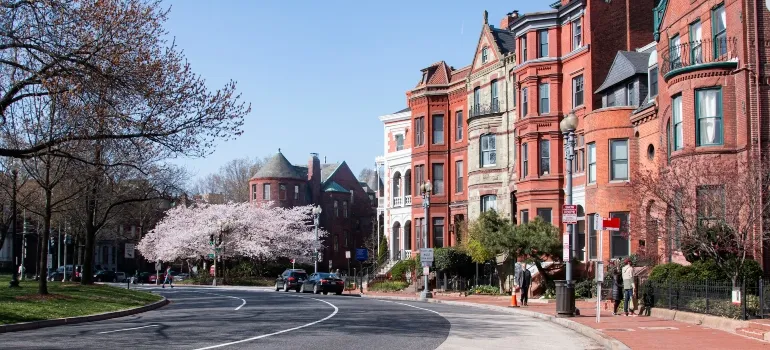
Best neighborhoods
- Petworth: Known for its community feel and charming row houses, Petworth offers a blend of accessibility and relative affordability. The area has been growing in popularity, which means more amenities like restaurants and bars. The average rent for a one-bedroom apartment here can be around $2,000 per month, which makes it a reasonable option for those looking to save.
- Brookland: Home to Catholic University, Brookland is a neighborhood with a strong sense of community and an emerging arts scene. It’s a bit more suburban, offering quiet streets lined with single-family homes and newer apartment complexes. You can find one-bedroom apartments averaging about $1,800 per month, providing a more laid-back atmosphere at a moderate cost.
- Dupont Circle: This neighborhood is right in the heart of the city, known for its historic homes, vibrant nightlife, and diverse community. Dupont Circle is highly desirable due to its proximity to downtown, cultural landmarks, and metro accessibility. Here, the average rent for a one-bedroom apartment can reach up to $2,500 per month.
- Georgetown: One of the most well-known areas of Washington DC, Georgetown offers picturesque streets, upscale shopping, and waterfront access. It’s also one of the priciest neighborhoods, with one-bedroom apartments often costing upwards of $2,800 per month. The area attracts a mix of students, young professionals, and families looking for a prestigious address.
- Logan Circle: Characterized by beautiful Victorian homes and a vibrant commercial corridor along 14th Street, Logan Circle stands as a trendy hub for nightlife and dining. The neighborhood’s central location and stylish atmosphere make it a coveted area, with rents for one-bedroom apartments usually around $3,000 per month.
Whatever neighborhood you choose, rest assured that the best residential movers Washington DC offers can make any of them your new home.
Tips for finding roommates in Washington DC
Before planning your dream move with moving companies in Washington DC, you need to think about finding roommates in Washington DC, and knowing where to look.
- Start with local online forums and social media groups that focus on shared housing. These platforms often provide insights into potential roommates’ habits and personalities, helping you gauge compatibility before meeting.
- Next, when meeting potential roommates, discuss your lifestyles openly. Ask about their daily routines, hobbies, and expectations about shared living spaces. This conversation helps ensure that everyone’s on the same page, reducing conflicts later on.
- Regarding the legal side, always double-check the lease terms. Some agreements may have specific clauses about subletting or the number of occupants per unit. Knowing these details can protect you from future legal troubles.

Best practices for living in shared housing
Creating a harmonious living environment with roommates in Washington DC starts with setting clear guidelines from the very moment your long distance movers in DC leave. Here’s a concise plan to ensure everyone is on the same page and minor issues don’t escalate:
- Rent Payment Schedules: Clearly define who pays what and when. Consider setting up a joint bank account or using a digital payment service for rent and utilities to streamline the process and avoid any confusion.
- Chores: Assign responsibilities clearly. Rotate tasks weekly or monthly to keep it fair. Use a shared digital calendar or a chore app to track and remind everyone of their duties.
- Guest Policies: Establish rules about visitors to ensure privacy and comfort for all roommates. Decide on how many guests are allowed at one time, how long they can stay, and any heads-up time before they arrive.
- Noise Levels: Agree on quiet hours, particularly if schedules vary. For instance, no loud music or television after 10 PM on weekdays. Consider setting up quiet zones for work or study.
Communication is vital. Schedule monthly meetings to discuss any concerns or adjustments to these agreements. This keeps everyone accountable and fosters a respectful living situation. Additionally, respecting each other’s privacy is crucial. Agree on boundaries regarding shared and personal spaces, ensuring everyone feels at home. This proactive and respectful approach to shared living helps prevent misunderstandings and builds a supportive household.
Challenges of living with a roommate
Living with a roommate isn’t without its challenges. Sharing a space can sometimes lead to conflicts over household responsibilities, differences in daily routines, or occasional disagreements about noise levels. Privacy can also be a concern when balancing the communal benefits of a shared living environment with personal space. However, these potential drawbacks often encourage better communication and compromise, which are valuable skills in any relationship. Additionally, the financial savings, shared chores, and companionship that come with having a roommate can greatly outweigh these minor inconveniences. By establishing clear rules and maintaining open communication, most issues can be managed effectively, turning the challenges of shared living into opportunities for personal growth and lasting friendships.

Making the most out of shared housing in Washington DC
Finding roommates in Washington DC can be a rewarding experience that extends beyond financial benefits. It’s about building lifelong friendships and learning to coexist harmoniously with others from different backgrounds. Remember, the key to a successful shared housing experience lies in open communication, mutual respect, and a little bit of compromise. So, embrace these tips and enjoy your home with your new roommates!

