
Eco-friendly moving reduces waste, lowers emissions, and avoids unnecessary use of materials. Among moving companies DMV, many providers offer reusable bins, biodiesel trucks, and paper-based packing supplies. However, traffic on I-395 or I-495 adds delays and increases fuel use. Narrow streets in DC, high-rise rules in Arlington, and parking limits in Alexandria can cause extra trips. Planning ahead reduces repeat runs and unnecessary emissions. You’ll find tips for sorting and donating unwanted items before you pack. You’ll also learn how to select recycled or reusable materials for each box. Finally, this guide shows how to reduce trips and emissions during loading and unloading. Every section helps you make your move eco friendly, even when facing common DMV moving challenges.
Plan your timeline to reduce trips and fuel use
Careful timing reduces extra trips and saves fuel during a local move. Many clients using moving services Maryland struggle with rushed schedules, so early planning matters. Start with a clear calendar for packing, pickups, and donations. Then map each task by day to avoid backtracking across town. Traffic around I-95 and Route 50 slows progress, so buffer time helps. Mid-week slots often offer lighter congestion and easier parking. You also gain better access to elevators and loading zones. As a result, trucks idle less and routes stay shorter.

Create a simple checklist to stop duplicate errands before moving week. List supplies, returns, donations, and utility tasks in one place. Next, the group stops by the neighborhood to cut mileage. For example, drop donations near your gym or workplace. Then pick up boxes during the same trip. This habit saves time and lowers emissions. It also reduces stress during busy days. Use phone reminders to keep tasks on track. Small changes in timing often deliver meaningful savings. You will notice benefits within a week.
Make your move eco friendly with a waste-first packing plan
Sorting items before packing helps reduce waste and simplify the entire process. Many movers and packers in Maryland now support eco-conscious customers who want to downsize responsibly. A room-by-room sort can help you decide what to keep, donate, sell, recycle, or throw away. Start with areas that collect clutter, like closets or home offices. Then use separate bins labeled for paper, plastics, e-waste, and textiles. This step makes later drop-offs easier and faster.
You can find donation centers near most Maryland towns. Local reuse networks often accept books, tools, clothing, and furniture. Post items online early to avoid last-minute dumping. Before packing day, do a final sweep of every space. Look for small items you missed—old chargers, broken décor, expired toiletries. If something can’t be used again, find a recycling drop-off location nearby. Many towns provide updates on accepted materials through their websites. These steps help you make your move eco friendly without much extra work. With proper planning, you’ll avoid waste and make packing faster and cleaner.
Choose reusable and low-waste packing supplies
Packing with reusable supplies can lower waste and reduce moving costs. For instance, when working with a moving company Rockville MD residents often find it helpful to rent plastic bins. These bins are sturdy, stackable, and don’t need to be taped. Some companies offer drop-off and pickup services for extra convenience. You can also borrow crates from friends or local groups.
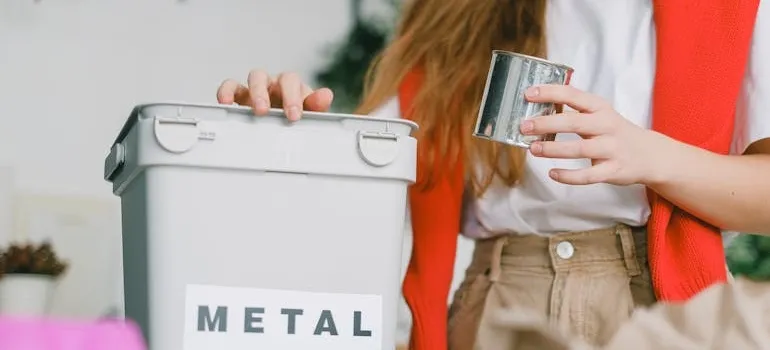
Instead of bubble wrap, use your own towels, sheets, and soft clothing to protect fragile items. For boxes, choose recycled materials and paper-based tape. These items are easier to recycle later. Avoid plastic padding unless absolutely necessary. As you pack, write down what materials you used. This makes it easier to reuse them in the future. After unpacking, set aside anything still in good condition. Drop them off at a nearby donation or reuse center. These small choices help reduce your environmental impact. They also save space in the trash and support a cleaner move. Responsible packing keeps waste down while protecting your belongings at every step.
Donate and recycle the right way across DC, Maryland, and Virginia
Sorting items before moving helps reduce waste and supports local reuse efforts. Many Northern Virginia movers suggest visiting the Fairfax County I-66 Transfer Station or I-95 Landfill Complex, which both include recycling drop-off centers. You can donate gently used clothing and home items to Goodwill, GreenDrop, or A Wider Circle in Silver Spring. Furniture and tools can go to Habitat ReStore, which has locations across the DMV area. These groups help extend the life of items that others can use.
Some things need special disposal. Mattresses must go to designated landfill areas. Paint, propane tanks, and cleaning chemicals often require hazardous waste handling. Montgomery County and DC both run e-waste drop-off programs for items like laptops, phones, and batteries. Schedule early pickups from charities to avoid last-minute landfill runs. Label bags and boxes clearly for sorting and transport. Planning ahead helps prevent confusion on move day. These simple steps reduce your environmental impact and support local donation programs. It’s a practical way to make your move more organized and sustainable.
Make your move eco friendly by cutting transport emissions
Reducing the number of trips during a move helps lower emissions and save money. Some moving companies DC area teams recommend using one large truck instead of several small ones. This strategy reduces fuel use, especially when combined with planned loading. Try to schedule your move-in and move-out times close together. That way, your movers avoid returning multiple times or waiting between buildings. It also helps prevent idle time, which burns fuel without purpose.
Traffic in the DC region causes delays and wasted energy, so smart routing matters. If possible, plan early morning or mid-day trips when streets are clearer. Ask your movers to stage items for faster loading. This limits the time trucks spend running while parked. Clear walkways and elevator access in advance to prevent delays. Reducing idling time and consolidating trips are two easy ways to make your move eco friendly. These choices support a cleaner move and reduce stress along the way. Even small changes in your schedule can make a positive difference.
Hire greener moving and junk removal services in the DMV
Hiring the right team helps reduce waste and delays during your move. Some moving companies in Maryland already use reusable bins and offer efficient routing to lower emissions. Ask movers what size trucks they use and how they plan their routes. Smaller trucks may require more trips, while one large vehicle can cut fuel use. It also helps to ask if they offer reusable supplies instead of single-use boxes.
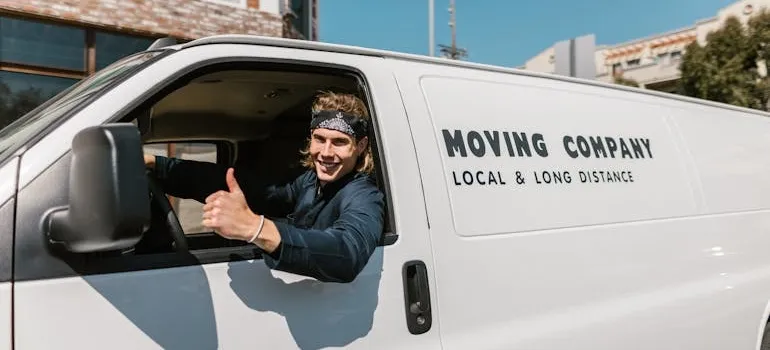
Before booking, request clear details on how they handle unwanted items. Many companies now partner with local donation centers or recycling facilities. This reduces landfill waste and supports reuse programs in your community. Also, check if the movers follow building rules in apartments or condos. Delays caused by missed elevator windows or parking violations often lead to repeat trips. Reliable movers stay in contact with building managers and understand local restrictions. These steps save time and protect the environment. Choosing a team that values eco friendly practices makes your move smoother and cleaner. It also reflects your commitment to responsible living in the DMV area.
Handle parking, permits, and building access without extra truck time
Managing parking, permits, and building access is key to keeping your move efficient. In the DMV area, many apartment buildings in Arlington, Bethesda, and downtown DC require move-in reservations. You’ll often need to book a time slot for elevators or loading docks in advance. Some buildings, like The Woodner in DC or The Bartlett in Arlington, may ask for proof of insurance from your movers. A missed slot could result in fines or forced rescheduling. That means extra truck time and higher emissions.
Before moving day, call your building manager to ask about parking access. For rowhomes in Alexandria or Capitol Hill, reserve a temporary no-parking zone through your city’s parking authority. DC offers permits through tops.ddot.dc.gov. Use cones and printed signs if your building allows it. Make sure movers know the loading zone layout ahead of time. These small steps help prevent circling the block or extended idling. They also avoid towing or citations. When everything is ready, your movers can load quickly and reduce fuel waste during the process.
Make your move eco friendly with a smart unpacking system
Unpacking with care helps reduce waste and keeps your home organized. Start by opening boxes by priority. Focus on essentials like kitchen items, toiletries, and work materials. Avoid opening everything at once to reduce clutter and confusion. As you unpack, flatten each box right away. If it’s still in good shape, set it aside for reuse. Otherwise, take it to your local recycling center. Many neighborhoods in the DMV area offer cardboard pickup or drop-off locations.
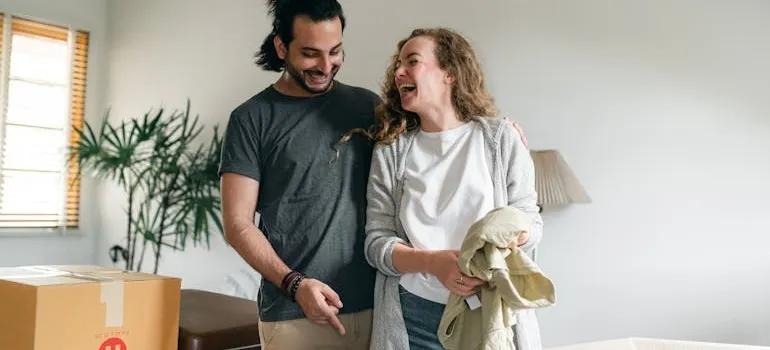
Keep a “reuse kit” that includes boxes, bubble wrap alternatives, and bins for future use. You can use these materials for storage, mailing packages, or your next move. Any supplies you no longer need can be donated to groups like Habitat ReStore or local Buy Nothing groups. Extra tape, markers, or labels may also help someone else pack. Don’t throw them away if they’re still usable. These small steps help you make your move eco friendly without extra effort. Plus, a careful unpacking plan saves time and reduces stress while settling into your new home.
Set up your new home with energy and water savings on day one
Reducing energy and water use from the start helps lower your bills and supports a greener home. Begin with small changes that make a big impact. Replace old bulbs with LEDs, and use smart power strips to cut standby energy. Set your thermostat to eco friendly settings and check your HVAC filters. If you’ve just moved in, seal any drafts around windows and doors with weatherstripping. This keeps your home more comfortable and efficient all year.
If you’re planning to repaint or clean, choose low-VOC paints and non-toxic cleaners. These products protect your indoor air and reduce chemical pollution. Also, take time to explore local rebate programs. In Maryland, Pepco and BGE offer incentives for energy-efficient appliances. Virginia residents can check Dominion Energy’s online rebates. DC offers home energy assessments through the DC Sustainable Energy Utility (DCSEU).
Here are examples of eco friendly home upgrades:
- LED lighting in every room
- Smart thermostats like Nest or Ecobee
- Low-flow showerheads and faucet aerators
- ENERGY STAR-rated appliances
- Recycled or sustainably sourced home materials
- Rain barrels or native landscaping to reduce water waste
Eco friendly storage and short-term holding options
Smart storage decisions reduce waste and make your move easier to manage. Some moving and storage companies in Maryland now offer eco-conscious options that support reusable supplies and efficient access. Before placing items in storage, decide what you truly need to keep. If something won’t be used in the next six months, consider donating or selling it. This reduces the load and cuts down on extra packaging.
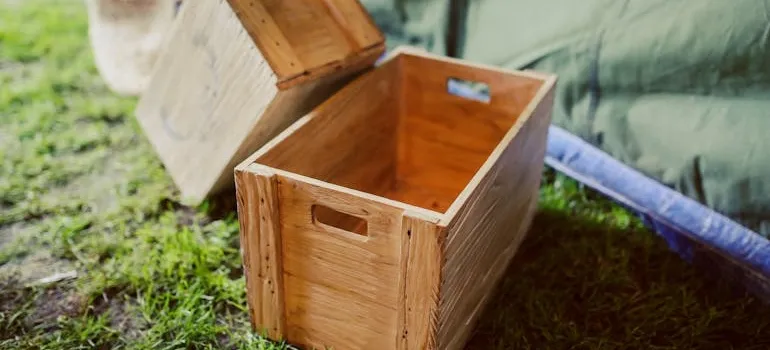
Use reusable covers instead of single-use plastic wrap. Moisture control packs also help protect items without the need for cling film or bubble wrap. Look for storage units with easy access so you don’t need multiple trips. This reduces fuel use and saves time. Also, create a simple inventory list before anything goes into storage. Apps like Sortly or Google Sheets work well for tracking stored items. Label all boxes clearly, and note their contents in your inventory. These small steps help lower environmental impact and keep your storage organized. Eco-friendly storage choices support a cleaner move while keeping your belongings safe and accessible.
Keep the eco friendly habits after move-in
Keeping up with eco-friendly habits after your move helps reduce waste long term. Start by using leftover supplies for storage or your next project. Donate packing materials to local groups or neighbors. Keep sorting your trash and recyclables carefully. Small steps like switching to energy-saving appliances or using non-toxic cleaners also make a difference. Use your new space to continue habits that helped you make your move eco friendly. Choose reusable items when shopping for your home. Stay informed about local recycling rules and donation options. These efforts not only lower your carbon footprint but also create a cleaner, healthier living environment. Every action counts, even after the moving process is complete.

