
The DMV area—DC, Maryland, and Virginia—is home to many professionals, families, and students. But people often leave for lower costs, job changes, or family reasons. If you’re relocating to another state, timing and planning matter. Even with help from skilled movers DMV residents trust, some details can still be overlooked. For example, skipping permit rules or misjudging out-of-state costs can lead to delays. Choosing a company without the right license may cause problems at state lines. Also, packing the wrong way can damage fragile items during transport. These common issues can affect your move more than you expect. That’s why we’ll cover interstate relocation mistakes to avoid. With the right steps, you can protect your time, money, and belongings from unnecessary risks.
Not budgeting for higher out-of-state moving costs
Local moves in the DMV area usually cost less and are easier to estimate. But once you cross state lines, expenses add up quickly. For instance, interstate movers Virginia residents hire often charge for mileage, fuel, and extra travel time. For instance, moving from Arlington to Pittsburgh might include tolls along I-70 and I-76. If your trip takes more than a day, you may need hotel stays and meals, which many people forget to include in their budget.

Some movers also add hidden fees. These can include charges for stairs, long carries, or bulky items. For instance, an upright piano from a third-floor DC apartment could lead to extra costs. Early quotes over the phone may leave out these details. Therefore, many estimates end up being lower than the final price. To avoid surprises, ask for a written, itemized quote. This should include labor, transport, and any special handling charges. Without proper budgeting, your move could cost hundreds more than expected. Careful planning helps you compare offers and spot red flags. This way, you can choose a mover who is honest and clear about the total cost.
Choosing a mover without verifying their interstate license
Many people relocating interstate, for instance, moving from DC to Florida, start by comparing prices online. But not all movers are licensed for interstate work. A company must have a valid U.S. DOT number and FMCSA registration. These prove they meet federal safety and insurance standards. Without these, your belongings may not be protected during the move. Some scams offer very low prices to attract customers. For example, you might receive a low quote that seems too good to be true. On moving day, the company could demand a much higher price. Their truck might arrive without any company name or logo, and they may not have a verified office address. These are all signs of a potential scam. Checking online reviews can help, but it’s not always enough. Some companies may post fake positive reviews or remove negative ones.
Instead, use the FMCSA’s official website to search for their license number and complaint history. You can also check with the Better Business Bureau. During interviews, ask about past long-distance moves. Watch for vague answers or pressure to pay large deposits. A trusted mover should provide clear terms and proof of registration. Taking these steps helps you avoid major problems and choose a mover who will deliver your items safely and on time.
Packing mistakes that delay or damage your move
Packing for a long-distance move takes more than just filling boxes. When moving from MD to VA, using old grocery bags or worn boxes may seem like a way to save money. However, low-quality packing supplies can cause damage during transport. Items may break or fall out if the materials aren’t strong enough. Clear labeling is also important. If boxes are not marked with state and room information, they can end up in the wrong place. This creates confusion and adds hours of unpacking time. Fragile items should never be placed in the same box as heavy ones. Doing so increases the chance of damage during loading or transit.

Overpacking boxes is another common mistake. Boxes that are too full can rip or become too heavy to lift safely. On the other hand, boxes that are too empty allow items to shift and break. Always pack boxes securely and seal them well. Don’t forget to prepare an essentials box. Include items like phone chargers, basic toiletries, and important documents. Without one, you may waste time searching through boxes when you arrive. Careful packing helps you settle in faster and with fewer problems.
Forgetting state-specific laws and regulations
Each state has different rules that can impact your move. When moving from Maryland to Texas, for example, you’ll need to register your vehicle within 30 days. Missing this deadline could lead to fines or delays at the DMV. Tax laws also vary by state. Texas has no state income tax, which may change how you handle payroll and filing. If you have children, research school enrollment rules before you arrive. Some Texas districts require proof of residency, immunization records, and transfer forms. Without these, your child might not be able to start on time. Pet owners should also plan ahead. Some states ask for updated rabies vaccines or health certificates at the border.

Even plants and food can create issues. Texas, for instance, restricts certain plants to prevent the spread of pests. Failing to check these rules may lead to items being confiscated or fines. These are common interstate relocation mistakes to avoid. Always check the latest laws for your destination. This helps you stay compliant and avoid unnecessary stress after your move. A little research before the move saves time and trouble once you arrive.
Interstate relocation mistakes to avoid during moving day preparation
Moving day often brings last-minute surprises. Even with experienced movers DC to MD residents trust, some things can still go wrong. For example, loading may take longer than expected. If your building has stairs or a long hallway, this adds time. Plan for extra hours so you’re not rushing to meet a deadline. It’s also best to avoid moving on weekends or holidays. These days often come with higher rates and heavier traffic. Instead, choose a weekday when roads and movers are less busy. Before the truck arrives, check street access near your home. Low bridges or narrow roads can block large moving trucks. Always confirm clearance and a parking space.
In addition, some buildings in the DMV area have strict move-out rules. These may include time slots, elevator reservations, or insurance paperwork. Ignoring these rules could delay your move. Lastly, don’t depend on GPS alone. Some apps may send your truck through restricted roads or weight-limited bridges. Print a backup route and ask your movers for suggestions. Avoiding these interstate relocation mistakes can save you from stress and delays on moving day. Proper prep makes the process smoother and more predictable.
Failing to update all legal and personal documents
Relocating to a new state means more than just packing boxes. When moving from DC to NYC, you’ll need to update several personal and legal documents. If you delay this, problems can build up quickly. For example, your driver’s license and state ID must reflect your new address. Most states have deadlines for these updates, and missing them may lead to fines. You should also update your voter registration as soon as possible. This ensures you can vote in upcoming elections without delays. Insurance is another key issue. Auto, home, and health policies often vary by state. Contact your providers early to avoid gaps in coverage.

Don’t forget to change your billing address with your bank and credit card companies. Missed mail can lead to late fees or service interruptions. At the same time, notify your employer of your new address. This keeps your payroll, tax forms, and benefits in order. These tasks take time, but they are essential. Missing one small step may lead to delays or lost services. Handle all updates before your move date whenever possible to avoid complications later on.
Overlooking your new state’s climate and terrain differences
Relocating to a new state means adjusting to a different environment. Many moving and storage companies in Maryland help with the physical move, but climate and terrain differences still require planning. For instance, if you’re leaving Maryland for a colder or hotter state, pack clothes accordingly. You may need heavy winter coats or more breathable fabrics, depending on your destination. Humidity or dry air can affect your belongings. Electronics, wooden furniture, and artwork are especially at risk. Without proper packing, these items can warp, crack, or stop working. Climate-controlled storage can help protect them during transit.
Timing your move is also important. Winter snow or summer storms can create delays and increase safety risks. In hurricane-prone areas, moving during the wrong season may damage your items or delay delivery. Terrain also matters. If you’re moving to a region with rough roads, mountains, or snow, you may need special vehicle tires or moving equipment. Pets and plants are sensitive to long trips and climate changes, too. Keep pets hydrated and secure. Use proper carriers and avoid placing plants in extreme temperatures. Preparing for these factors helps you avoid stress and prevent unnecessary damage.
Interstate relocation mistakes to avoid when planning your moving timeline
Planning your timeline is one of the most important parts of any long-distance move, as booking late may limit your choices. Movers often fill up fast, especially in spring and summer. Waiting too long can leave you with higher prices or less reliable companies. Starting a new job right after moving can also add stress. It’s better to leave at least one or two buffer days. This gives you time to unpack, rest, and solve any issues at your new home. In addition, set up utilities and internet in advance. If you delay, you may arrive to find no power or connection, which makes unpacking more difficult.
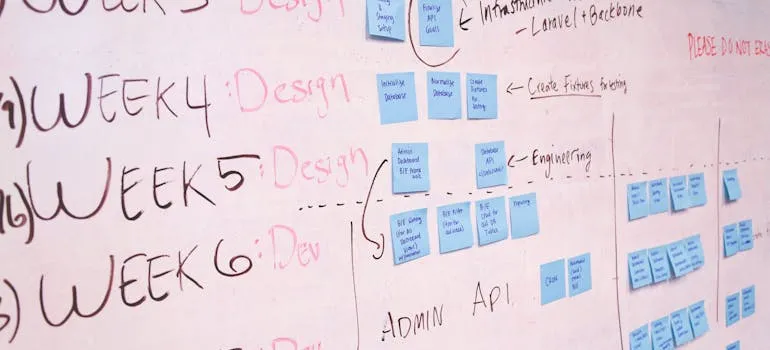
Another issue is storage. If your new home isn’t ready or smaller than expected, you’ll need nearby storage. Always check availability before moving day. Finally, don’t try to do everything on your own. Moving is physically and mentally demanding. Ask friends for help or hire professionals. These are common interstate relocation mistakes to avoid. With proper planning, you can reduce stress, avoid delays, and make your move more successful. A solid timeline keeps everything on track.
Ignoring your emotional preparation and support system
Relocating to a new state brings emotional changes, not just physical ones. If you move far from family or friends without a plan, you may feel isolated. Staying connected through scheduled calls or visits helps ease this transition. Kids and teens also need support. Talk to them early about the move. Let them express feelings and involve them in planning.

Leaving without proper goodbyes can make the move feel rushed or incomplete. Set aside time to say farewell to friends, neighbors, or local groups. This can help both adults and children feel more prepared. It’s also easy to overwork yourself when handling every task alone. Rest and support are just as important as packing and planning. If you’re feeling overwhelmed or anxious, try using available resources. These tools can help you stay grounded during your move:
- NAMI Maryland – Offers local mental health support groups and referrals
- Moving Forward (VA.gov program) – Provides online tools for managing stress during big life changes
- Meetup.com – Helps you connect with people in your new city through interest-based groups
Avoid these errors to move from the DMV with confidence
Relocating from the DMV area requires more than hiring a moving truck and packing boxes. Timing, planning, and knowing what to expect in your new state all play a role. Small errors, like booking too late or skipping legal updates, can lead to delays or extra costs. Even overlooking emotional needs may add stress during an already busy time. That’s why it’s important to learn from common interstate relocation mistakes to avoid. Whether you’re moving for work, family, or a fresh start, staying organized will help you feel more in control. Use checklists, ask questions, and research each step. With the right approach, you can move from the DMV area with confidence and begin your next chapter smoothly.

