
In the first week after moving from DC to Miami, daily routines can shift fast. For example, humidity changes your clothing choices, so breathable fabrics help. The afternoon storms may affect errands, so you plan earlier. Also, traffic can feel less predictable, so you test routes at different times. As a result, your day often starts sooner to avoid heat and delays. Over the next 30–90 days, you may notice work and social timing changes. For instance, meetings may start later, yet evenings can run longer. Meanwhile, building rules, parking fees, and AC costs can surprise renters and homeowners. Therefore, remote workers often adjust their schedule and workspace setup. This is why Miami lifestyle changes former DC residents notice often feel immediate.
Weather becomes a daily planning tool, not small talk
After moving from DC to Florida, you will feel the weather run your schedule. In DC, summer heat comes and goes, so plans often stay flexible. In Miami, humidity hits earlier, so errands work best before late morning. For example, do grocery runs at 8 a.m., then keep indoor tasks for midday. Also check the heat index, not just the temperature. A “90°F” day can feel much hotter. Then, afternoon storms can pop up fast. So keep a small umbrella in your car and add extra time for slower traffic.
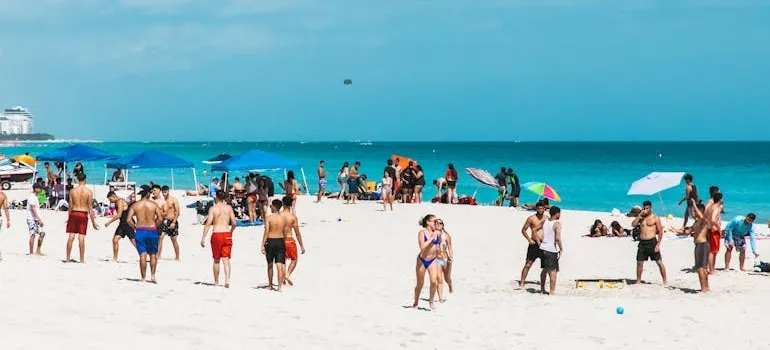
Hurricane season needs basic habits, too. First, turn on local phone alerts and follow county updates. Next, keep water, batteries, and a flashlight at home. Also, fuel up when a storm watch starts, since lines grow quickly. Clothing choices change as well. Choose light fabrics, wear sunscreen daily, and carry water on short walks. Meanwhile, commuting shifts. Heavy rain can flood low areas and slow parking access. Therefore, plan earlier and keep backup routes for work and school.
Driving, parking, and commute rhythms feel like a new world
If you used Metro in DC, Miami may feel car-first right away. You may also notice it when you book moving companies DMV and plan your arrival day. In DC, you often plan around train times and station walks. In Miami, you plan around traffic, parking, and building access. For example, a five-mile trip can take 15 minutes or 45 minutes. So test your route on a weekday before your first commute. Also expect fast merges and sudden lane changes. Therefore, keep extra space and avoid last-minute exits.
Parking can surprise you, too. In DC, you may rely on residential permits and meters. In Miami, many areas use paid garages, valet zones, or app-based meters. Condo towers may require loading reservations, elevator bookings, and a strict time window. So ask your building for rules early. Then keep small bills or cards for garages. Toll roads and express lanes also matter. Use apps like Waze or Google Maps for live updates. Finally, keep a DC-style schedule by leaving earlier, not faster.
Miami lifestyle changes former DC residents notice in work culture and office norms
Work can feel different soon after the move, even if your role stays the same. You may notice it while comparing office moving companies DC contacts with Miami vendors and landlords. In DC, many teams start early and keep meetings tight. In Miami, start times can shift later, yet calls may stretch into the evening. So confirm “local time” on invites and set clear deadlines. Also, expect a faster pivot when priorities change. For example, a client may reschedule on short notice, then expect a quick follow-up.

Office norms can change, too. In DC, business dress often stays formal in many settings. In Miami, smart casual shows up more, especially outside finance and law. Still, client-facing roles may expect polished looks year-round, even in the heat. Networking also feels different. Instead of policy events, you may connect through industry breakfasts, chambers, coworking spaces, or community meetups. Remote work has its own rules. Cafes get loud, so bring headphones or use coworking day passes. Finally, “fast response” may mean same-hour replies, not next-day emails.
Neighborhood choices reshape your day-to-day routine
Neighborhood choice can change your routine more than you expect. You may notice it even while comparing moving companies Washington DC quotes and planning where the truck can park. In DC, many people pick areas like Dupont or Capitol Hill for easy walks. In Miami, walkability varies block to block. Brickell and Downtown feel dense, yet you may still drive for basics. Coral Gables can feel calmer, but errands may require a car. Miami Beach gives beach access, yet parking and traffic can add time.
High-rise living brings new rules. Many buildings require elevator reservations and COI paperwork. Also, valet areas may limit loading times, so ask early. Package rooms fill up fast, so use delivery windows when you can. Before you sign a lease, check flood zones, building age, and window ratings. Then ask about backup power and storm procedures. Beach proximity sounds great, yet daily life may matter more. Look for grocery options, school routes, and medical access. Finally, nightlife density affects sleep. South Beach and parts of Brickell run late. So visit at night before committing.
Social life starts later and often revolves around weekends
Social plans often run later in Miami than in DC. Your move date may depend on interstate movers Washington DC, yet your weekends will set your new rhythm. In DC, dinners often start earlier after work. In Miami, many people meet closer to 8 or 9 p.m. Then plans can shift at the last minute, especially on weekends. So confirm times and locations before you leave home. Also expect longer gaps between “let’s meet” and the actual meetup.

Making friends can make you feel more active in Miami. For example, join a gym class, a run club, or a beach volleyball group. You can also try paddleboarding meetups or community sports leagues. Hosting at home differs, too. Condo space may feel tighter, and guest parking can cost money. Therefore, many groups meet out instead. Balance social pressure with sleep and recovery. Set one or two social nights per week at first. Safety matters at night as well. Use licensed rideshares, share your trip status, and pick well-lit pickup spots. That is one of the Miami lifestyle changes former DC residents notice early.
Outdoor time becomes part of your weekly identity
Outdoor time often becomes a weekly habit after the move. You may even plan gear first, then call residential movers Washington DC to confirm delivery timing. In DC, many people rely on parks and weekend hikes. In Miami, the beach can become your regular reset. Locals often go early, then leave before peak heat. They bring water, shade, and simple snacks. Tourists stay midday, then feel worn out fast. So aim for sunrise walks or late-afternoon swims instead.

Workouts need a heat plan, too. Start before 9 a.m., then choose shaded routes. Also, drink water before you feel thirsty. If you run, carry electrolytes on longer sessions. Beginners can try calm-water kayaking, paddleboarding, or guided snorkeling. Look for rental spots with safety briefings and clear entry points. For a break from the coast, use parks like Oleta River State Park or Matheson Hammock Park. You can also take a nature drive to the Everglades for trails and wildlife viewing. Budget matters, so keep it simple. Pack a towel, refillable bottle, and sunscreen. Then use free beach access and public parks during off-peak hours.
Miami lifestyle changes former DC residents notice in food, dining, and everyday shopping
Food and shopping can feel different in the first month. You may even notice it while booking local movers DC and stocking a new kitchen. In DC, many people shop around the workday and cook at home more often. In Miami, late dinners and quick café stops become common. Grocery carts change, too. You may buy more tropical fruit, fresh fish, and Latin staples like plantains, yucca, and black beans. Seafood counters also feel more central, especially for snapper or shrimp. So plan simple meals that work in the heat, like salads and grilled proteins.
Eating out follows a different rhythm. Cafes stay busy in the morning, yet dinner reservations often start later than in DC. Service can feel slower, so give yourself time and avoid rushing. Tipping norms stay similar, yet check if gratuity is included. Then tip on top only if you choose. Farmers’ markets can offer great produce, but prices vary by neighborhood. Compare markets before you commit to a weekly routine. DC residents often overspend on delivery at first. Instead, set one takeout night and keep easy staples at home.
Cost-of-living shifts show up in unexpected line items
Costs can shift in ways you do not expect, even with the same income. You may see Miami lifestyle changes former DC residents notice in your first utility bill. In Washington, DC, electricity averages about $196 per month. In Florida, it averages about $289 per month, since AC runs more often. You may also pay more for parking. Monthly garage parking averages about $200 in DC, yet Brickell often averages near $275, and prime areas can run higher. Insurance and fees can add more pressure. Renters insurance averages about $153 per year in DC and about $181 in Florida. HOA fees vary a lot, yet national listing data put the median HOA fee at about $135 per month in 2025. Also watch for parking fees, amenity charges, and move-in deposits. For the first three months, set a “buffer” line of 10% of your budget. Then track AC, parking, and groceries each week. This keeps surprises from stacking up.

Dating, family life, and social circles can feel more mixed
Social circles can feel more mixed in Miami than in DC. In DC, many groups form around work and agencies and set schedules. In Miami, you may meet people through gyms, beaches, and community events. As a result, you can find different life stages in the same places. For example, a brunch spot may seat young professionals, parents with kids, and retirees at once. Also, people often keep plans flexible. So confirm details before you leave home.

Family life can also look different week to week. Many parents plan around heat and storms. Therefore, parks and kids’ activities often happen early or indoors. For example, you may pick morning playtime, then choose an aquarium or museum later. School schedules can affect traffic, too. So leave extra time near pickup hours. Dating norms may shift as well. Many people meet through friends, fitness classes, or social clubs, not only apps. Dates may start later, and the pace can feel faster or slower depending on the group. Friend groups may include more languages in daily conversation. So ask questions and stay open, yet keep your comfort in mind. If you feel socially “on” all the time, set boundaries. Choose one quiet night each week, and protect it.
Miami lifestyle changes former DC residents notice in language, culture, and daily etiquette
In the city of Miami, you will hear Spanglish in daily life. You may hear it at checkout, in gyms, and in office chats. That can feel new if you came from DC’s English-first routines. So learn a few polite phrases, and listen for context. Also note greeting styles. People often greet with a warmer tone and a closer distance. Time can feel more flexible, yet professionalism still matters. These are Miami lifestyle changes former DC residents notice in language, culture, and daily etiquette.
Try local events that make meeting people easier:
- Calle Ocho Music Festival in Little Havana
- Miami Book Fair in Downtown Miami
- Coconut Grove Arts Festival in Coconut Grove
At work, ask how your team prefers messages and follow-ups. Then match their pace without sounding abrupt. In shops, say hello first, then ask your question. For example, a short “Buenos días” often gets a friendly response from staff. In neighborhoods, watch for small norms, like parking rules or building guest policies. However, avoid quick assumptions about anyone’s background. Instead, stay curious and respectful. Over time, you will feel more comfortable, and your conversations will flow naturally.
Build your new routine in Miami without losing what worked in DC
Building a new routine takes time, so give yourself space to adjust. Some habits from DC will still work well in Miami. For example, planning your week ahead can help with errands and meetings. However, you may need to shift timing for heat, traffic, and social plans. Start with small changes. Try earlier outdoor activities, flexible dinner plans, and a simple weekly budget check. At the same time, keep routines that support your work and health. Over time, the adjustment becomes easier and more natural. You will learn which neighborhoods, shops, and activities fit your daily life. That is when Miami lifestyle changes former DC residents notice start to feel familiar instead of surprising. Stay open, stay patient, and build a rhythm that fits both cities’ strengths.

