
The first two days after a move can feel chaotic. Boxes pile up, and essentials often hide in the wrong place. With so much to unpack, simple needs like a coffee mug or phone charger can take hours to find. For instance, movers DMV can deliver your belongings on time, yet you might still wait to unpack everything. That is why having a few basics within reach is important. A post-move survival kit can hold items like toiletries, bedding, and snacks. This way, you can stay comfortable without searching through stacks of boxes. It also helps you remain productive, especially if you work from home. In the next sections, you will see what to include and how to prepare it.
Planning your post-move survival kit before moving day
Preparing ahead can make your first days in a new home less stressful. Often, unpacking takes longer than expected. Even with help from movers Rockville MD, you might still struggle to find essentials. This is why early organization matters. Think about what you will need right away. A family might pack pajamas, baby supplies, and breakfast food. Someone moving alone could focus on a laptop, toiletries, and quick meals. Having these ready saves you from digging through dozens of boxes.
When planning your post-move survival kit before moving day, set aside and label a special box or bag. Keep it separate so it does not get loaded with the rest of your belongings. Include essentials like chargers, a change of clothes, medication, and snacks. Store it in your car or have it marked for first unloading. This approach gives you quick access as soon as you arrive. Such preparation not only keeps you comfortable but also helps you stay productive during the first 48 hours in your new space.
Personal essentials for comfort and hygiene
Having personal essentials ready makes your first 48 hours more comfortable. Even with the help of movers and packers in Maryland, you may not want to unpack everything right away. This is why keeping a small, separate bag of items for daily needs is a smart idea. Pack enough clothing for two days, including sleepwear and weather-appropriate outfits. Add basic toiletries such as a toothbrush, toothpaste, soap, deodorant, shampoo, and a hairbrush. These items help you feel fresh and ready for the day, even before your boxes are opened.
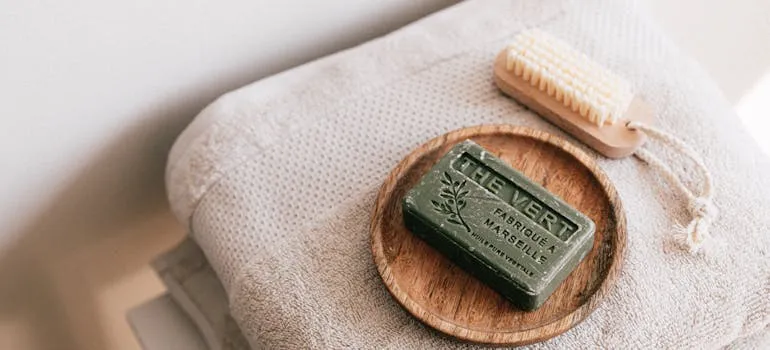
It is also wise to include towels and any basic grooming tools you use regularly. Do not forget essential medications and prescription needs, especially if they are difficult to replace quickly. Place all these items in a clearly labeled bag or box so you can find them without searching. Keep it within reach during the move, either in your car or with other priority items. This preparation allows you to feel settled, comfortable, and confident during your first days in your new home.
Bedding and sleep supplies for a good night’s rest
A good night’s rest after moving is essential for comfort and recovery. While moving and storage companies in Maryland can safely transport most of your belongings, some bedding should stay with you for immediate use. Keep pillows, sheets, and blankets in an easy-to-reach bag. If your bed is not ready, pack an air mattress or a foldable cot to avoid sleeping on the floor. These items help you relax and wake up refreshed, even before unpacking is complete.
You may also need blackout curtains or temporary window coverings, especially if your new space has little privacy or bright outdoor lighting. In busy or noisy areas, earplugs or a white noise machine can make a big difference. These small additions can improve your sleep quality and help you feel more at ease. Place all sleep supplies together so you can set them up quickly on your first night. With these preparations, you will be ready to rest well and start the following day with more energy for unpacking and organizing your new home.
Kitchen basics for quick and easy meals
Eating well during the first two days after a move is easier with a few basic supplies. According to DC area movers, keeping certain kitchen items separate can save you time and stress. Pack disposable plates, cups, and utensils so you can eat without searching for dishes. A small pot, pan, or electric kettle is useful for simple meals and hot drinks. Include non-perishable snacks and ready-to-eat options like canned soup or instant noodles for quick energy. Bottled water or reusable water bottles will keep you hydrated while unpacking.
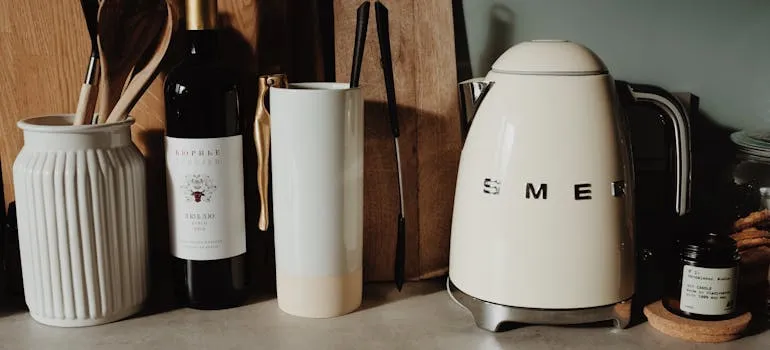
You may also want to add coffee or tea supplies for a comforting start to the day. These familiar drinks can help you feel more at home, even before your kitchen is set up. Store these essentials in a clearly labeled box or bag so they are easy to find. Place it where you can reach it immediately after arrival. With these items ready, you can prepare simple meals, stay refreshed, and focus on settling into your new home without unnecessary interruptions.
First aid and safety items
Safety and health should be priorities during the first days in your new home. Experienced movers Virginia often recommend keeping certain items within easy reach. A basic first aid kit with bandages, antiseptics, and pain relievers can handle small cuts, scrapes, or headaches. Accidents can happen while unpacking, so it is better to be prepared. A flashlight with spare batteries is also important, especially if you arrive late in the evening or if the power goes out. Having light readily available makes moving around safer and reduces the risk of falls or injuries.

It is also helpful to keep a multi-tool or basic toolkit nearby for quick fixes, such as tightening screws or opening boxes. Knowing the location of your fire extinguisher is equally important, as it allows you to respond quickly in an emergency. Store these items together in a labeled container so you can access them immediately. By keeping first aid and safety essentials close, you protect yourself and your family while adjusting to the new space. These small but vital preparations can make your move much safer and less stressful.
Cleaning supplies for your first 48 hours
Keeping basic cleaning supplies close at hand helps you feel settled faster. Even with the help of movers in Maryland, your new home may need a quick clean before you unpack. Dust, dirt, or small debris can be left behind from previous occupants or the moving process. A multi-surface cleaner, a few sponges, and paper towels will allow you to wipe down counters, shelves, and tables right away. Trash bags and small bins are useful for collecting packing materials or disposing of items you no longer need. A broom, dustpan, or handheld vacuum will quickly handle floors and corners.
Gloves are also important when dealing with dirtier areas or unpacking items that may have gathered dust in storage. Keeping these supplies together in a clearly marked box ensures you can find them immediately upon arrival. By cleaning as you go, you create a fresh environment for unpacking and organizing. This not only makes the space feel more comfortable but also reduces the chance of dirt spreading to your belongings. With the right supplies ready, you can start your first 48 hours in a clean and welcoming home.
Electronics and charging solutions
Staying connected after a move is essential for work, communication, and daily routines. Advice from interstate movers Virginia often includes keeping your most important electronics and charging tools within easy reach. A phone charger and a fully charged power bank can prevent interruptions if outlets are not immediately accessible. If you work remotely or need to handle urgent online tasks, having your laptop and accessories together ensures you can set up without delays. Extension cords and surge protectors are also useful when outlets are limited or in inconvenient spots.

A portable Wi-Fi device or hotspot can provide internet access before home service is installed. This is especially helpful for confirming deliveries, updating accounts, or staying in contact with friends and family. Storing all these electronics in a clearly labeled bag or box makes them easy to find right away. Following this advice reduces downtime and stress during the first 48 hours. With your devices ready and powered, you can handle important responsibilities, stay connected, and focus on settling comfortably into your new home.
Comfort and entertainment for downtime
Having ways to relax during the first 48 hours in your new home can make a big difference. After a long day of unpacking, you may need time to unwind. Books or magazines are simple options that do not require much setup. Streaming devices can also provide entertainment if you have internet access. A small speaker or headphones will let you enjoy music, podcasts, or audiobooks without disturbing others. These items help create a sense of normalcy in an unfamiliar space.
For families, board games or card games can bring everyone together and keep spirits high. Kids may appreciate their favorite toys, stuffed animals, or blankets to feel more at home. Pets can also benefit from familiar items like bedding, treats, or favorite chew toys. Keeping these comfort and entertainment items in an easily accessible box means you can enjoy them right away. While unpacking is important, taking time to relax helps reduce stress and makes the adjustment smoother. Balancing productivity with moments of rest will make your first days in your new home far more enjoyable.
Including tools in your post-move survival kit
Keeping a few basic tools handy can make your first days in a new home much easier. Many small tasks come up before everything is unpacked. A screwdriver, pliers, and a hammer can help with assembling furniture or tightening loose parts. A box cutter or utility knife is essential for opening moving boxes quickly and safely. A measuring tape is also useful for checking furniture placement before committing to a layout. These items take up little space but can save you time and frustration.
When including tools in your post-move survival kit, consider adding duct tape and zip ties. They are great for quick fixes, securing cables, or holding temporary setups in place. Keep all tools in a small, labeled bag or toolbox so they are easy to find. Having them within reach means you can handle minor repairs or adjustments without delay. This preparation not only keeps your move running smoothly but also helps you settle in faster. A well-equipped post-move survival kit ensures you can tackle unexpected tasks and start making your new space functional from day one.
Important documents and valuables
Keeping important documents and valuables close during a move is essential for security and convenience. Items like IDs, passports, and insurance papers should be placed in a secure folder or document organizer. This ensures they are easy to access when needed for identification or official purposes. Moving contracts and delivery receipts are also crucial, as they help track services and verify details with your movers. Keys and security codes should stay with you at all times to prevent delays when accessing your new home. Having these items on hand avoids unnecessary stress and potential complications.
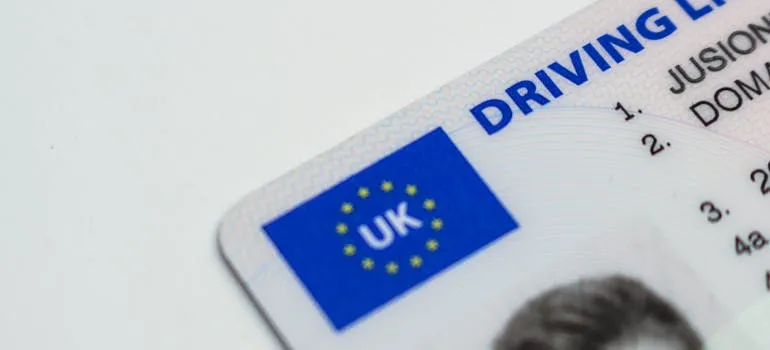
Cash and bank cards are equally important for covering immediate expenses. You may need to pay for meals, supplies, or tips during the first 48 hours. Keeping them separate from packed boxes allows quick access without searching. Store all essential items in a small bag or lockbox that you carry yourself during the move. By organizing them in advance, you reduce the risk of loss or damage. This preparation ensures you can handle any situation confidently while settling into your new home.
How to customize your post-move survival kit for your lifestyle
Tailor your kit to your routine, not a generic checklist. Start with the first 48 hours. List what you actually use morning and night. Then add must-have items for work, meals, and sleep. Pack duplicates of small essentials, like chargers and toothbrushes. Also include a three-day supply of any critical items. Think about access, too. Keep this kit in your car or as the last box on the truck. Finally, label the kit on all sides so you can grab it fast.
- Families or seniors: Add kids’ pajamas, formula, favorite snacks, pill organizers, and mobility aids.
- Pet owners: Include food, bowls, leashes, litter, waste bags, and vet records.
- Seasons and climate: Pack sunscreen, hats, and electrolyte drinks for heat; or coats, gloves, and hand warmers for cold.
- Local vs. long-distance: For local moves, use a larger tote with small tools and pantry items; for long-distance, choose TSA-friendly sizes, an extra power bank, printed reservations, and a compact first aid kit.

Start your first 48 hours with less stress
Your first two days set the tone for the whole move. Pack your essentials early. Keep the kit in your car or by the front door. Include food, water, sleep gear, and chargers. Add documents, medications, and simple tools. Then label the box clearly on every side. Also, ask each family member to add their essentials. Pets need their basics, too. With a clear plan, you avoid delays and last-minute scrambles. A well-packed post-move survival kit keeps you calm and productive. Next, open this box first when you arrive. Unpack the bathroom and bedroom before anything else. Set up coffee, snacks, and water for quick breaks. Keep batteries handy. Set alarms. Finally, schedule short unpacking blocks and take real rests.

