
Renting in Arlington, VA offers flexibility and lower upfront costs, which suits short-term residents. However, buying builds equity over time and provides stability. While home prices are high, long-term residents may benefit more from ownership despite higher initial expenses.
Arlington offers a competitive housing market that attracts both professionals and families. Many people working with movers Arlington VA quickly notice how demand shapes pricing and availability. As a result, choosing between renting vs buying in Arlington becomes an important early decision. Homes and rentals tend to move quickly due to the area’s strong job market. In addition, proximity to Washington, D.C. increases property values and rental costs. You will also find a wide range of options, from modern apartments to single-family homes. However, each option comes with different financial commitments. Therefore, comparing costs and long-term goals helps you make a practical and confident choice before relocating.
Renting in Arlington: Flexibility and Lower Upfront Costs
Renting in Arlington gives you flexibility and easier entry into the market. Many people working with movers DMV choose to rent first to explore different neighborhoods. For example, a one-bedroom apartment in areas like Ballston or Clarendon often costs between $2,200 and $2,800 per month. Meanwhile, studios may range from $1,800 to $2,200, depending on location and amenities. In addition, renting usually requires a security deposit and first month’s rent, which keeps upfront costs manageable. Therefore, it works well if you are not ready for a long-term commitment or expect career changes.
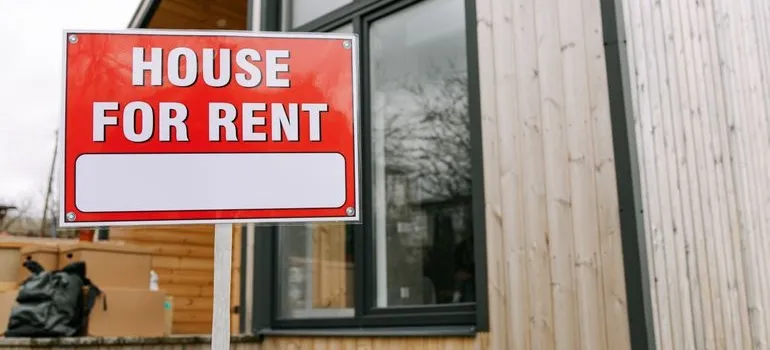
Another key advantage is reduced responsibility. Landlords typically handle maintenance, repairs, and property management issues. As a result, you can focus on work and daily life without extra stress. Popular rental areas include Rosslyn, Crystal City, and Pentagon City, which all offer strong transit access. Moreover, these neighborhoods sit close to Metro stations and major employers. However, rental prices can rise over time, especially in high-demand areas. Still, the ability to move easily remains a major benefit. Overall, renting in Arlington suits those who value convenience, mobility, and lower initial costs.
Buying a Home in Arlington: Long-Term Investment Potential
Buying a home in Arlington can provide long-term value and stability. Many buyers working with Northern Virginia movers consider ownership a smart investment due to strong market demand. Median home prices in Arlington often range from $650,000 to over $900,000, depending on the neighborhood. For example, condos may start around $400,000, while single-family homes in areas like Clarendon or Lyon Village can exceed $1 million. Although upfront costs are high, including a down payment and closing fees, owning a home allows you to build equity over time. Therefore, it can be a solid financial step for long-term residents.
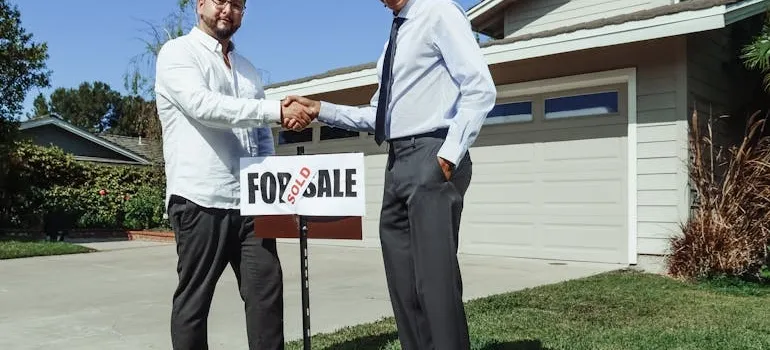
In addition, homeownership gives you more control over your living space. You can renovate, expand, or personalize your home without restrictions. Popular areas for buyers include Ballston, Rosslyn, and Pentagon City, which offer great access to jobs and public transit. However, ongoing costs such as property taxes, insurance, and maintenance should be considered. On the other hand, stable property values often support long-term gains. As a result, buying suits those planning to stay for several years. Overall, it offers security, investment potential, and a chance to benefit from Arlington’s strong housing market.
Renting vs Buying in Arlington: Key Cost Comparisons
Understanding the cost difference between renting and buying helps you make a smarter decision. Many people working with local movers Northern VA compare monthly expenses before committing. For example, renting a one-bedroom apartment in Arlington often costs around $2,400 per month. In contrast, a mortgage on a $650,000 home may exceed $3,800 monthly, depending on interest rates and down payment. In addition, buyers must consider property taxes, insurance, and closing costs. Therefore, renting usually offers lower short-term expenses, while buying requires a larger financial commitment upfront.
However, long-term value often shifts the balance. Homeowners build equity over time, which renting does not provide. On the other hand, maintenance costs can add up quickly, including repairs and upkeep. For instance, annual maintenance may reach 1% of a home’s value. Meanwhile, renters avoid these costs, but they face rising rent each year. As a result, buying becomes more cost-effective if you stay for five to seven years. Moreover, stable housing payments can support long-term planning. Overall, comparing both options carefully helps you match your budget with your long-term goals.
Lifestyle Considerations for Renters and Buyers
Lifestyle choices play a major role when deciding on renting vs buying in Arlington. Your daily routine, work needs, and long-term plans should guide the decision. For example, renting gives you flexibility if your job may change soon. In contrast, buying offers stability and a sense of ownership. In addition, commute time matters. Arlington County has strong Metro access, which benefits renters in central areas. However, homeowners may choose quieter neighborhoods with longer commutes. Therefore, balancing convenience and comfort is essential for a satisfying living experience.
When comparing both options, consider these key lifestyle factors:
- Flexibility to move easily with renting versus long-term stability with buying
- Access to Metro stations, especially in areas like Rosslyn and Ballston
- Space needs for families, including extra rooms or outdoor areas
- Availability of amenities such as gyms, parks, and shopping centers
- Work-from-home needs, including quiet spaces or home office setups
Moreover, renters may enjoy easier access to modern amenities in newer buildings. On the other hand, buyers gain more control over space and design. As a result, your choice should match both your lifestyle and future plans.

Choosing the Right Option for Your Arlington Move
Making the right decision depends on your goals, finances, and lifestyle. When comparing renting vs buying in Arlington, you should think about both short-term needs and long-term plans. For example, renting works well if you need flexibility or plan to stay for a limited time. In contrast, buying suits those who want stability and investment potential. In addition, consider your budget, commute, and space requirements. Some areas offer better access to transit, while others provide quieter living. Therefore, reviewing all factors helps you avoid costly mistakes. Ultimately, the best choice supports your comfort, financial health, and future plans in Arlington.
FAQ

It depends on your long-term plans, but renting suits short-term flexibility, while buying is better for building equity in a high-value market.
You typically need around $90,000 to $120,000 per year to live comfortably due to high housing and living costs.
Arlington offers great job access, public transit, and amenities, but it also comes with high housing costs, traffic, and a higher overall cost of living.

