
Some items need more than standard packing. Pianos, antique furniture, gym machines, and fine art are just a few examples. These are often heavy, fragile, or expensive to replace. Even small damage can lower their value or make them unusable. That’s why careful planning and the right tools are essential. Many moving companies DMV offer specialized services for these situations. Padding, custom crates, and skilled handlers reduce the risk of cracks, breaks, or scratches. Long-distance travel adds more challenges, including temperature changes and longer load times. That’s especially important when you relocate unique and valuable items interstate. In the following sections, you’ll learn how to protect large instruments, electronics, décor, wine, and more during your interstate move.
Packing a piano for long-distance relocation
Pianos are heavy, delicate, and expensive to repair. Upright pianos can weigh up to 500 pounds, while grand pianos may exceed 1,000 pounds. Digital pianos are lighter but still require careful handling. Due to their weight and complex parts, pianos must be packed with care. Professional movers use piano skid boards to keep the instrument stable during loading. They also wrap the piano in thick blankets and use straps to prevent shifting. In some cases, movers build custom crates to protect the frame during long travel.
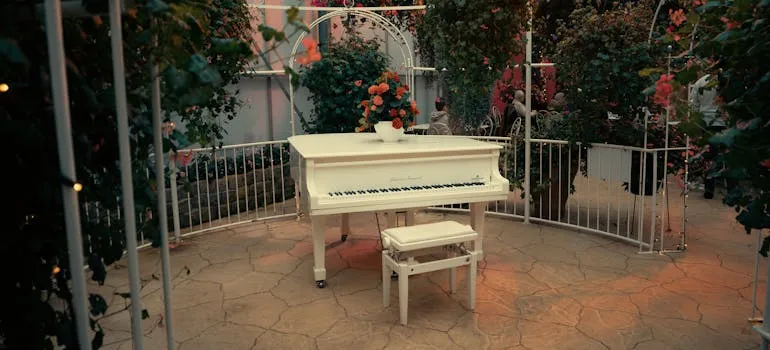
Many people make the mistake of moving pianos themselves. That often leads to damage, injury, or both. Instead, consider hiring a piano mover who has the proper tools and experience. These specialists know how to disassemble legs, pedals, and lids without harming the structure. They also understand how temperature affects wood and strings. Long-distance moves may take several days, so it’s important to ask about climate-controlled trucks. Insurance is also key. If anything goes wrong, coverage ensures you’re not left with a costly repair. When planned correctly, even a large piano can be moved across states without damage or stress.
Relocate unique and valuable items interstate, such as musical instruments and studio gear
Musical instruments and studio gear are sensitive to movement, heat, and moisture. Guitars, violins, and similar stringed instruments can warp or crack if not packed well. Drums and DJ equipment may suffer damage from pressure or sharp impacts. To avoid this, use hard cases with fitted padding. These cases protect against bumps and help keep the instrument in place. Shock-absorbing materials like foam and bubble wrap add extra safety during long trips. Many interstate movers Virginia offer packing materials and advice for handling fragile gear.
Studio equipment, such as mixers and speakers, also needs special care. Changes in humidity or temperature can affect how well these items work. Keep instruments in temperature-controlled trucks if possible. For high-value gear, request written appraisals before the move. These help if you need to file an insurance claim. Most movers offer basic coverage, but additional insurance may be a smart choice for rare or vintage pieces. Before packing, take photos and label each case clearly. That way, movers know which items need special attention. Following these steps makes it easier to relocate unique and valuable items interstate without damage or loss.
How to move a home gym without damage or injury
Home gym equipment is heavy, bulky, and often hard to move. Treadmills, ellipticals, and weight racks need to be disassembled before transport. Remove loose parts like handles, screens, and power cords. Then label each piece clearly to make reassembly easier later. Disorganized parts can lead to delays or mistakes when setting up again. For those planning on moving exercise equipment, this step is important for a safe and damage-free move.
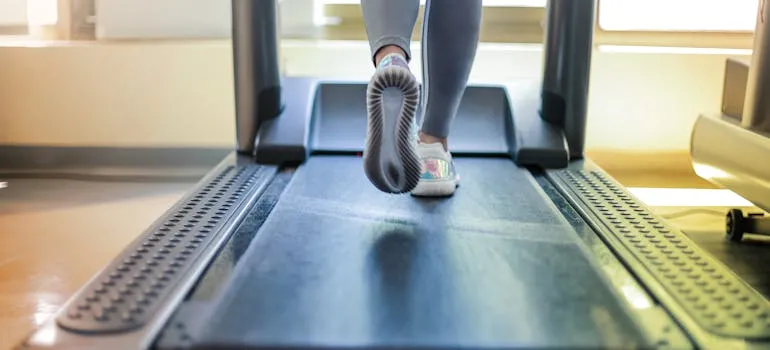
Next, secure the large parts using padded straps and moving blankets. These protect the metal frames and prevent scratches. Heavy pieces like squat racks or rowing machines should be moved with a dolly or hand truck. This reduces the risk of back injury or dropping equipment. While loading, place padding under and around the gear to protect your floors and walls. After unloading, check for missing bolts or misaligned parts. Reassemble equipment in the correct order and tighten all joints. Some machines may need recalibration after the move. Test everything before your next workout. Taking the right steps helps prevent injury, protects your home, and keeps your fitness equipment working as it should.
How to relocate fine art and sculptures interstate
Fine art and sculptures require special care during any move, especially across state lines. Paintings, framed prints, and sculptures should be placed in custom crates built to fit their size. Use acid-free paper and climate-safe packaging to protect against humidity and dust. Padding is also important to stop artwork from shifting inside the crate. For example, when moving from Maryland to Virginia, many choose to hire professionals with experience in handling artwork.

Smudges, dents, and punctures can easily occur during transit if items are not packed correctly. Avoid wrapping pieces in plastic, which can trap moisture. Mixed-media art, like pieces made with metal, wood, or glass, may need additional protection. These materials react differently to temperature changes. For this reason, choose climate-controlled trucks with soft suspension to reduce shaking and vibration. Label every crate as fragile and mark the top side clearly. If possible, photograph each item before and after packing. This will help if any claims need to be filed. Moving fine art is not just about careful lifting—it’s also about the right packaging and environment. With proper steps, your artwork will arrive in perfect condition.
Moving antique furniture without losing its value
Antique furniture often holds both financial and sentimental value. However, it can be fragile due to age, delicate joints, or thin veneers. Before moving, inspect each piece for loose legs, cracks, or weak spots. Flag any areas that might need extra support. For instance, when moving from Maryland to California, temperature changes and long travel time can affect wood, so extra care is important.
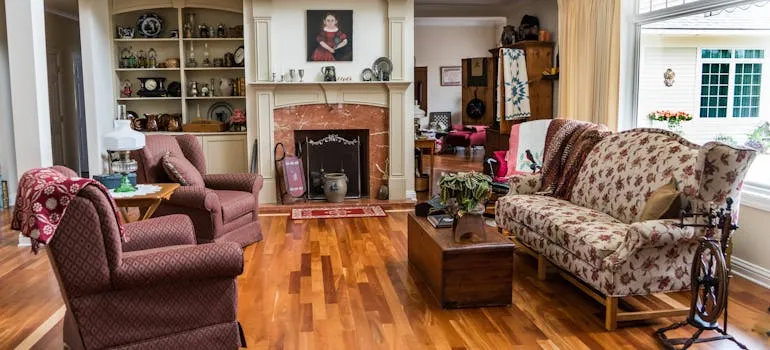
Wrap furniture in non-abrasive materials like cotton blankets or furniture pads. Avoid using plastic directly on wood, as it can trap moisture. Add corner protectors to keep edges from chipping. Do not stack antique items or place heavy boxes on top. Pressure can cause cracks, dents, or warping. Use floor straps to secure pieces in the truck without shifting. It’s also smart to get each item appraised before the move. Specialty insurance can cover damages beyond standard mover protection. Take photos of each piece from all angles for documentation. Antique furniture needs more than basic handling. With the right steps, you can protect its value and keep it in excellent shape during long-distance moves, even across states with extreme weather differences.
Relocate unique and valuable items interstate: High-end electronics and servers
Electronics are sensitive and can be damaged easily during long-distance moves. Laptops, servers, and high-end TVs often travel best in their original packaging. If that’s not available, use custom foam inserts that fit the device’s shape. Anti-static bubble wrap and vibration-safe materials add another layer of protection. These help absorb shocks and prevent internal damage. For example, when moving from Maryland to Florida, electronics may also face high humidity, so moisture barriers are useful.
Before the move, make backup copies of important files. Cloud storage and external hard drives offer simple solutions. For complex setups like home servers, write down reinstallation steps or take photos of cable connections. Label each cord and pack them in sealed bags near the device. Screens should be wrapped in microfiber cloths to prevent scratches. Secure any movable parts or trays with tape or zip ties. It’s also helpful to work with movers who know how to handle delicate electronics. Some companies even offer climate-controlled trucks for tech-heavy moves. Careful packing and good planning reduce the risk of damage and make setup much easier once you arrive.
Safe transport of wine collections and rare bottles
Wine collections are delicate and require careful planning before transport. Glass bottles can break easily, and heat can spoil the wine. Insulated crates and temperature-sensitive packaging help reduce those risks. Foam inserts keep bottles from shifting during transit. Some moving services Maryland offer custom wine transport options, especially for collectors with rare or aged bottles.

Before you move, check state laws. Alcohol transport across state lines has restrictions, especially for large quantities. Some states may require permits or limit how much you can bring. Create a detailed inventory of your collection, including photos, labels, and appraised values. This helps if anything is lost or damaged. Bottle-specific insurance is also recommended. It covers rare or high-value items beyond regular moving insurance. When booking transport, choose climate-controlled trucks. These help maintain a stable temperature, especially during summer or long-distance travel. Some companies also offer specialty shipping partners if your collection is very large. Good planning ensures each bottle arrives safely. Whether you’re relocating a small collection or a full cellar, the right materials and services protect your investment from start to finish.
How to move large, fragile decor like mirrors and chandeliers
Large, fragile decor like mirrors and chandeliers needs extra care during packing and loading. Chandeliers should be dismantled carefully. Remove crystals, bulbs, and detachable arms first. Then label each part and place them in padded bags or boxes. For mirrors, use corner protectors and wrap the entire surface with soft padding. Those planning to relocate unique and valuable items interstate should consider custom crates for these pieces.

Crates built to size protect against pressure and sudden impacts. Avoid stacking anything on top of glass or frames. Always keep mirrors upright during transport. Use foam separators between items to stop them from bumping into each other. Chandeliers should also be loaded upright, if possible, in crates filled with soft material. Mark all sides of the crate with “fragile” and “this side up” to guide movers. Some people also add arrows or visual labels for extra clarity. Although these pieces are decorative, their structure makes them hard to replace. Proper packing and handling are key. When these steps are followed, fragile decor can arrive safely, even during long interstate travel. Avoid shortcuts, and your items will stay in excellent condition.
Transporting rare books, documents, and collectibles
Rare books, documents, and collectibles are fragile investments that deserve strong protection. Even slight damage can erase their market value forever. Therefore, solid insurance and real-time tracking are essential safeguards. Compare policy limits carefully, then match each item’s appraised value with the right coverage. Tracked shipping creates a digital trail that reduces loss and speeds up any claim process.
- Books and paper documents: Wrap in acid-free paper, box securely, and request signature scans at every transfer point.
- Historical photographs and maps: Place in archival sleeves, use water-resistant covers, and mark packages “keep flat—do not bend.”
- Collectible figures and coins: Pad with foam inserts, seal in tamper-evident bags, and choose GPS-enabled crates for added security.
After coverage is active, create a digital inventory with photos, serial numbers, and appraisals. Store copies in cloud storage and keep printed versions nearby. Next, schedule pick-up during mild weather to reduce exposure to heat or moisture. Ask the driver to scan each package while you watch; this confirms tracking begins immediately. During transit, monitor updates and call the carrier if scans stop for twenty-four hours. Finally, open crates gently, take photos, and verify contents before signing delivery receipts carefully.
Protect your valuables with planning and the right team
Protecting high-value items during a long-distance move takes more than basic packing. Each item, whether a piano, antique, or rare collectible, needs the right materials and expert handling. Damage often happens when steps are rushed or equipment is not used correctly. Instead, choose professionals who know how to manage fragile, heavy, or climate-sensitive belongings. Proper labeling, insurance, and custom crating all help reduce risk. If you’re planning to relocate unique and valuable items interstate, start early and work with a team experienced in specialty moves. Ask detailed questions, confirm insurance coverage, and check references before hiring. With careful planning and the right support, your belongings can arrive safely, no matter how far they travel or how fragile they may be.

