
Leaving a familiar place can bring a mix of emotions, especially with limited time to prepare. In the DMV, fast-paced timelines are common. Many families rely on moving companies DMV residents trust to manage the physical side of the move. At the same time, the personal side requires just as much attention. Strong community ties in DC, Maryland, and Virginia make each goodbye more meaningful. You may feel both excitement and sadness as you leave behind daily routines and familiar faces. These feelings deserve space and care. Managing the emotional side of moving in the DMV involves more than just organization. This article offers guidance to help you handle stress, maintain connections, and move forward with confidence.
Understand what triggers your moving-related stress
Many people feel stressed before, during, and after a move. This is especially true when big changes happen quickly. Working with moving companies DC area residents often choose can help with the physical part, but emotional stress needs its own plan. One of the biggest triggers is fear of the unknown. You may worry about your new job, neighborhood, or whether you’ll feel at home in the new space. Timelines also add pressure. Packing, cleaning, and organizing take time and energy. You may feel rushed or overwhelmed by decisions. On top of that, important paperwork and deadlines can make things worse.

During the move, it’s easy to feel isolated. You might be too busy to connect with friends, or you may already be away from your usual support system. As a result, anxiety about change can build quickly. It helps to identify these stress points early. That way, you can take steps to manage them. Whether it’s creating a checklist, asking for help, or building in time to rest, small actions can make a big difference.
Create a timeline that includes emotional checkpoints
Planning a move involves more than just boxes and schedules. Emotional preparation is just as important as the physical work. Many people rely on movers Virginia families trust to handle transportation, but managing your emotions requires your own timeline. One helpful step is creating personal deadlines. These can include final visits to your favorite places, farewell meetups, or simply time to reflect. Spreading out your tasks can reduce stress and help you avoid burnout. Instead of cramming everything into one weekend, try breaking it into small steps. This allows space for both action and rest.
Including emotional checkpoints in your calendar can make a big difference. For example, schedule time to walk through your old neighborhood or write thank-you notes to neighbors. These moments help with closure and make the transition feel more complete. Taking care of yourself is also key. A short walk, a calm meal, or time with a close friend can reset your mood. When your plan includes both logistics and emotions, you’re more likely to stay focused and feel supported throughout the move.
The emotional side of moving in the DMV: Why goodbyes feel harder here
Strong community ties make moving in the DMV feel more personal. Many people have deep roots here, with long-term friends, familiar routines, and trusted neighbors. These connections can make saying goodbye more difficult. Even when moving companies in Maryland handle the logistics, the emotional side of leaving familiar people and places often hits harder. It’s not just about packing up your belongings. It’s also about letting go of local cafés, friendly neighbors, and the grocery store cashier who always remembered your name. These everyday relationships carry emotional weight. Feelings of guilt may also come up, especially if you’re leaving behind loved ones who depend on you.
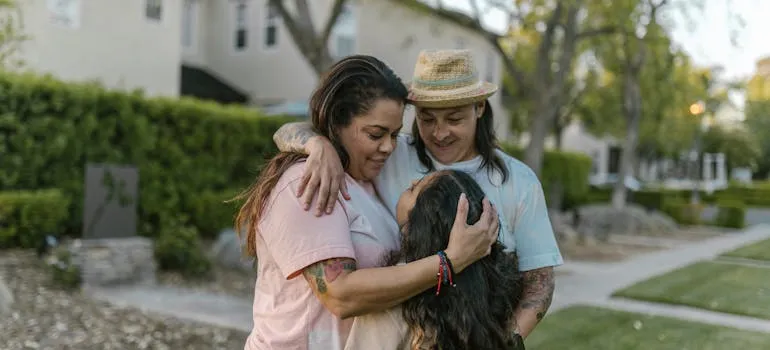
Goodbyes don’t have to be rushed or uncomfortable. Simple actions can help create closure. Plan a small gathering, write personal notes, or take one last walk through your favorite places. These moments allow you to honor your time in the community. Although the change may feel heavy, meaningful farewells can make the process more thoughtful. They also give space for both gratitude and healing as you move forward.
How to talk to kids about the move
Relocating in the DMV can be a major change for the entire family. For example, moving from MD to VA may only involve a short distance, but it can still feel like a big shift for children. Kids often feel the emotional weight of a move, even if they don’t always show it right away. Start by using clear and simple language to explain what’s happening. Let them know when and where the move will happen, and answer their questions honestly. Avoid vague explanations, as this can create more worry. At the same time, give them space to talk about their feelings. They may feel scared, sad, or even angry.

It also helps to include them in the process. Let them help pack their own toys or pick colors for their new room. These small tasks can give them a sense of control. Before the move, arrange time to say goodbye to friends, teachers, and neighbors. This helps with closure. Creating a scrapbook or exchanging contact info with friends can also ease the transition. When children feel involved and supported, they adjust more easily to their new surroundings.
Coping strategies for anxiety and relocation burnout
Relocation can be emotionally exhausting, especially when you’re juggling tasks, responsibilities, and major change. Based on experience, many movers Bethesda MD professionals recommend managing stress early to avoid burnout during the process. One of the first steps is learning to recognize signs of emotional fatigue. These may include trouble sleeping, feeling overwhelmed, or losing focus easily. Once you notice these signs, it’s important to act. Calming techniques such as deep breathing, journaling, or light exercise can help ease anxiety. Even a short walk or five minutes of quiet time can make a big difference. Additionally, reaching out to friends, family, or a counselor provides support and a fresh perspective.

Setting limits is also key. Try not to overload your day with too many moving-related tasks. Instead, break things down into smaller steps. This keeps you from feeling overwhelmed. Planning ahead also helps reduce decision fatigue. Create checklists, set realistic goals, and leave room for breaks. Most importantly, remind yourself that it’s okay to pause. Supporting your emotional well-being during a move helps you stay steady and focused as you navigate change.
The emotional side of moving in the DMV: Staying grounded during the transition
Relocating within the DMV area often brings mixed emotions. Whether you’re working with movers DC to MD or heading elsewhere in the region, the change can feel unsettling. The DMV has a unique rhythm, and leaving familiar routines behind may affect your sense of stability. Even during the busiest days of the move, it helps to maintain a few daily habits. Keeping small routines in place can reduce stress. For example, have your usual morning coffee, walk your usual route, or listen to your favorite playlist. These familiar actions offer a sense of control during a time of major change.
It also helps to stay connected to your identity. Pack a few personal items last so they stay with you throughout the process. This could be a book you enjoy, a favorite sweater, or a framed photo. If possible, set up a small “transition” space in your new home. This space doesn’t have to be perfect. A chair, lamp, and side table can provide a simple corner of calm. With these steps, you create pockets of comfort that help you stay grounded and emotionally steady as you adjust to your new surroundings.
How to handle guilt about leaving family or friends
Feeling guilty about a move is more common than people admit. Even short moves within the DMV can bring emotional weight. Some clients working with residential movers Rockville MD report guilt about leaving parents, siblings, or close friends behind. These feelings may be even stronger if loved ones rely on you for support or companionship. The best way to handle this is through open and honest communication. Share your reasons for relocating and explain how it supports your future goals. When others understand your motivations, they’re more likely to offer encouragement.

At the same time, offer practical ways to stay connected. Set regular times for phone calls, video chats, or weekend visits. Even small routines, like sending a weekly message or photo, can maintain strong bonds. Balancing your needs with care for others can ease the emotional side of moving in the DMV. It’s possible to pursue your own path while staying close to the people who matter. Over time, loved ones will adjust too. Staying emotionally available, even from a distance, helps both sides feel supported as life moves forward.
Stay connected after the move with simple habits
Maintaining relationships after a move takes effort, but small habits can keep you close to the people who matter. A few minutes each week can go a long way. Staying in touch doesn’t require big gestures—just consistency. For example, schedule regular video calls or group chats. This gives everyone a set time to reconnect and share updates. Sending photos is another simple way to stay present in each other’s lives. A quick snapshot of your new home, a favorite local meal, or a daily walk helps others feel included in your new chapter.
Shared calendars also help keep relationships strong. Add birthdays, holidays, or important family events to make sure you don’t miss anything. You can even use reminders to send a quick message on special days. When possible, plan in-person visits or reunions. These visits give you something to look forward to and help maintain closeness. Social media also makes it easy to share updates and keep track of friends’ lives. Even liking or commenting on a post shows that you’re still engaged. With a few simple habits, you can stay emotionally connected—no matter where you’ve moved.
Honoring the place you’re leaving will help with the emotional side of moving in the DMV
Moving is not just about where you’re going—it’s also about where you’ve been. In the DMV area, many people build strong connections with their neighborhoods, local shops, and routines. Before your move, take time to visit the places that matter most. A walk through your favorite park or one last coffee at your local café can help you say goodbye. Creating a scrapbook or memory box is another thoughtful way to honor your time in the area. Include photos, ticket stubs, or handwritten notes. These small items can hold strong memories.
Writing a short letter to your neighborhood may also help you process the change. Share your thoughts, gratitude, or moments you’ll miss. You might also consider hosting a small farewell gathering. Invite neighbors, coworkers, or friends for a casual get-together. This gives everyone a chance to connect before you leave. Finally, take a moment to reflect. Think about what you’ve learned while living in the DMV area. These experiences will shape your next chapter. The emotional side of moving in the DMV becomes easier when you allow space for gratitude and closure.
Find support in your new environment
Building a support system in your new location takes time, but small steps can make a big impact. Start by joining local groups or community centers. Many offer classes, volunteer opportunities, and social events that help newcomers feel welcome. Attending neighborhood events or meetups is another way to meet people who live nearby. If you’re not sure where to begin, use apps that help connect people through shared interests. The DMV area has many resources that make it easier to find social events, clubs, and groups. Some useful apps in the DMV include:
- Meetup – for local hobby groups and interest-based events
- Nextdoor – to connect with neighbors and stay updated on local news
- Eventbrite – to discover community festivals, classes, and workshops
- Facebook Groups – for neighborhood-specific gatherings or parent groups
It also helps to reach out to coworkers or new neighbors. A simple introduction can lead to meaningful connections. Taking the first step may feel uncomfortable, but it often leads to new friendships. With a little effort, your new environment will start to feel more like home.

Give yourself permission to feel everything
Moving brings a mix of emotions—stress, excitement, sadness, and hope. All of them are valid. It’s important to give yourself permission to feel everything during this time. You’re not expected to have it all figured out. Some days may feel overwhelming, while others feel hopeful. That’s normal. Take breaks when you need them. Reflect on what you’re leaving and look ahead to what’s next. Let your emotions guide you, not control you. The emotional side of moving in the DMV can be challenging, but you’re not alone. Many people have felt what you’re feeling now and have come out stronger. With time, support, and self-compassion, you’ll adjust, heal, and settle into your new space.

