
A reliable moving company, such as Beltway Movers, knows how to handle fragile items properly. Glassware, electronics, and collectibles often break if packed without care. These items need strong boxes, bubble wrap, and extra padding. For example, wrap each glass in packing paper, then add a layer of bubble wrap. Use dividers inside boxes to separate items. Electronics should be packed in their original packaging when possible. Add foam or cloth around delicate parts. Label every box “Fragile” and mark the correct side up. Even on short moves, poor packing leads to damage. Following smart methods helps avoid these issues. Learning how to best package fragile items gives you more peace of mind on moving day.
Use the right packing materials for each item type
Packing fragile items the right way starts with choosing the right materials. Bubble wrap cushions delicate surfaces and prevents breakage during impact. Foam sheets work well for electronics and glassware. Packing paper is best for wrapping plates, cups, and small breakables. Avoid using newspapers because the ink can stain items. Corrugated dividers help keep glasses and bottles from knocking into each other.
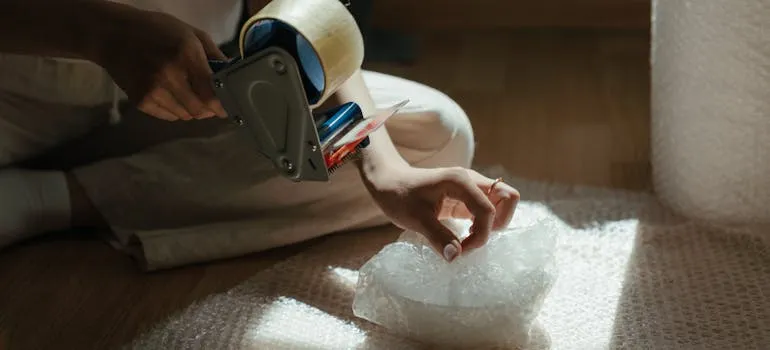
Use cardboard inserts for dishes, vases, and ornaments. Double-walled boxes offer better protection than regular ones. They resist crushing and hold their shape even when stacked. For odd-shaped items like figurines or kitchen tools, packing peanuts fill the empty spaces. This helps reduce movement inside the box. Always shake the box gently before sealing it. If you hear anything shifting, add more padding. Some people prefer to hire experienced movers and packers in Maryland to get this step right. However, with the right tools, you can do it yourself and protect your valuables just as well.
Wrap each item individually and with care
Each fragile item should be wrapped on its own to prevent damage. Glassware, ceramics, and electronics can easily break if they come into contact during transport. Begin with a layer of packing paper to reduce scratches. Then, wrap the item in bubble wrap for extra protection. Tape the wrap tightly so it does not come loose. Do not use a newspaper, as the ink can transfer and stain delicate surfaces. For example, wrap a ceramic bowl first in plain paper, then in two layers of bubble wrap. Finish by taping all sides securely.
Some people find it helpful to follow tips from experienced movers in Baltimore MD often share. These professionals suggest placing small items like mugs or camera lenses in separate padded pouches. Then, fill any empty spaces in the box with soft materials like foam or crumpled paper. This prevents items from shifting during the move. Always check that each wrapped item stays snug inside the box. Careful packing now avoids costly damage later.
Fill the empty space to prevent movement inside the box
Boxes with fragile items need to be tightly packed to prevent shifting. Loose space inside the box allows items to move and break during transport. To stop this, fill all gaps with crumpled paper, foam pieces, or soft cloths. For example, wrap a glass vase and then place crumpled packing paper around it until it no longer shifts. Use the same method with plates or framed photos. Always aim to create a snug fit between the item and the box walls.
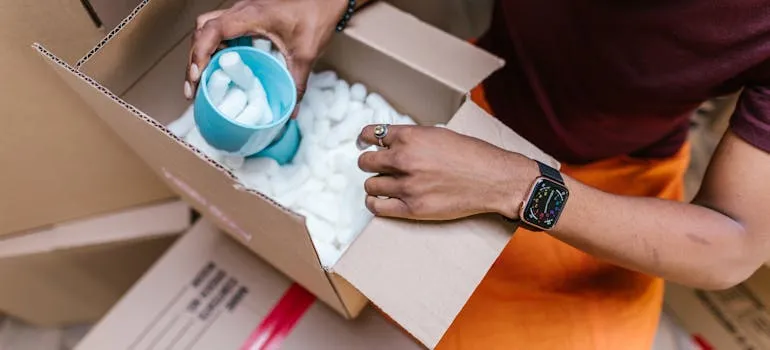
Before sealing the box, lift and gently shake it. If anything moves, open it and add more padding. This simple step can prevent cracks, chips, and breaks. Boxes that feel tight and solid are less likely to cause damage. Many movers report that most in-box damage happens because of the open space. Taking time to pad every corner can make a big difference. It is a small task that protects your valuables from being damaged during loading or delivery.
Label boxes clearly and use the correct handling signs
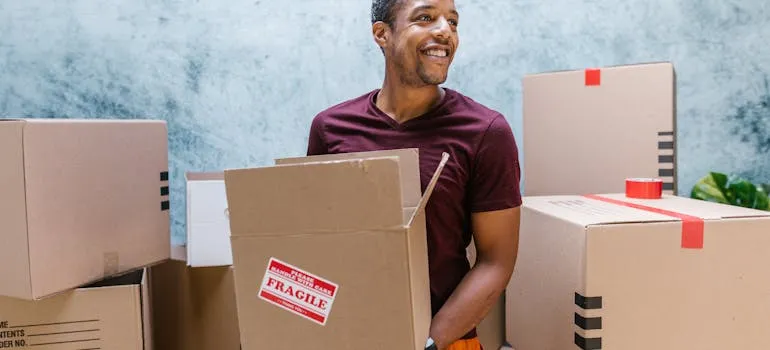
You should know how to best package fragile items, and labeling is an important part of it. Clear labeling helps protect your fragile items during loading and unloading. Boxes often go through many hands, and clear signs guide each person. Always mark boxes with “Fragile” and “This side up” on all visible sides. This ensures everyone knows how to handle them with extra care. Use a thick black marker or, even better, pre-printed stickers. Make the writing large and easy to read. For better results, place labels near each corner of the box. Bright-colored labels work best because they stand out. Choose colors like red, orange, or yellow for quick visibility:
- Red sticker: “Fragile – Handle With Care”
- Orange label: “Top Load Only”
- Yellow sign: “Do Not Drop – Glass Inside”
Also, add arrows to show which side should face up. These visual cues reduce mistakes and keep items safe. Proper labeling takes only a few minutes but helps avoid costly damage. Use this method on every box that holds breakables.
How to best package fragile items for long-distance shipping
Fragile items need more protection when traveling long distances. Roads can be bumpy, and boxes may be moved several times. Double-boxing is one of the most effective ways to prevent damage. Start by wrapping the item well and placing it in a small box. Then, add padding between that box and a larger one. Use foam, air cushions, or crumpled paper as shock-absorbing materials. This reduces the risk of breakage during transport. It’s a method that long distance movers Virginia often recommend for delicate shipments. Besides padding, sealing plays a key role. Use strong packing tape and cover all seams of both boxes. Reinforce corners and edges to keep the structure tight. Avoid using old boxes since they may collapse or tear. New, sturdy boxes protect better and hold up during longer trips. A well-sealed box helps prevent moisture and dirt from getting in. These simple steps go a long way in keeping your fragile items safe from start to finish.
Careful packing today prevents broken items tomorrow
Careful packing makes a big difference when moving fragile items. A few extra steps now can prevent costly damage later. Use quality materials, pack each item tightly, and fill all empty spaces. Add clear labels so others know to handle with care. These small actions protect your belongings through every stage of the move. For example, double-boxing a glass vase or wrapping a laptop in foam can save it from harm. Even short trips can lead to damage if items are loose or poorly packed. That’s why learning how to best package fragile items is so important. Take the time to pack properly. It helps your items arrive safely and gives you peace of mind on moving day.

