
Many people rely on moving and storage companies in Maryland to handle seasonal items or household overflow. However, not everything belongs in a storage unit. Certain things are unsafe, illegal, or too risky to leave in these spaces. For example, Maryland’s humidity and changing temperatures can damage food, electronics, and important documents. Moisture may also cause mold, rust, or pest problems over time. Before placing anything in storage, review the facility’s list of prohibited items. Some items may also void your insurance coverage if damage or loss occurs. You’ll want to avoid safety hazards, legal trouble, and financial loss. Common items Maryland residents should never store include perishable food, flammable liquids, firearms, and irreplaceable valuables. In the following sections, you’ll see why each group poses problems and learn better storage alternatives.
Perishables and food: Attract pests and violate storage rules
Some people think canned goods or sealed snacks are fine to store, but that’s not true. Even non-perishable food can attract pests or spoil under the wrong conditions. The representatives of moving companies DMV often warn customers not to store food for this reason. In Maryland’s humid climate, moisture builds up quickly, leading to mold or rust. That can damage both your stored food and other items nearby.
Food also attracts rodents and insects, even if it’s packaged. This risk includes dry pet food, grains, spices, and boxed snacks. While some facilities may allow sealed, vacuum-packed emergency kits, you’ll need written approval first. Most storage contracts clearly ban any food products. Violating this rule could lead to unit inspection, fines, or termination of your agreement. It’s always best to store food in your home or a designated pantry space. If you need to pack food short-term for a move, ask the facility about approved containers and timelines. Otherwise, leave all perishables out of your unit.
Hazardous and flammable materials: A serious safety violation
Hazardous items create serious risks inside storage units. Many people hear warnings from movers and packers in Maryland about these dangers. Gasoline, propane tanks, lighter fluid, and paint thinner can ignite easily. Lawn equipment with fuel inside can leak and release harmful fumes. Heat inside units rises during summer, so pressure builds inside containers. As a result, fires or chemical reactions become more likely. These dangers can affect your unit and nearby renters. Storage providers take this issue very seriously.

Facilities follow Maryland safety regulations that restrict these materials. Violating these rules may lead to fines or contract cancellation. Instead, use county hazardous waste drop-off programs. Many Maryland counties offer scheduled disposal days for fuel, paint, and chemicals. You can also drain fuel from tools and clean them before storage. That step reduces odor and risk. If you feel unsure, call your facility and ask for a prohibited items list. Clear guidance helps you stay safe and protects your belongings.
Weapons, ammunition, and explosives: Strictly forbidden by most facilities
Most storage providers enforce strict rules when it comes to weapons and explosives. The representatives of moving companies in Maryland often remind customers that firearms, fireworks, and hunting gear with live rounds cannot be placed in storage units. These items pose major safety risks and are not covered under most facility insurance policies. Even licensed gun owners must follow specific storage laws that prohibit keeping weapons in unsecured or unattended spaces like standard storage units.

Facilities avoid these risks due to liability concerns and Maryland’s firearm regulations. Ammunition, even when boxed, is also banned because of its explosive potential. Instead, consider using a licensed gun safe at home or storing firearms through a secure, approved gun shop. If you’re unsure about an item, call your storage provider and ask directly. Most will provide a written list of banned items. Asking in advance can save you time and prevent legal issues. Choosing safer alternatives also protects your property and the people around your unit. Always check the terms before storing anything related to weapons or ammunition.
Valuables and important documents: Not worth the risk
Storage units are not ideal for protecting high-value or irreplaceable items. Theft, water damage, and limited insurance coverage make them risky for anything personal or expensive. Items Maryland residents should never store include legal records, financial data, or valuable belongings. Most facilities post disclaimers about storing such items, and many insurance plans exclude them from full coverage. Climate shifts in the state of Maryland can also harm sensitive documents. Examples of valuables you should avoid placing in storage:
- Jewelry, heirlooms, or collectible coins
- Passports, Social Security cards, or birth certificates
- Legal contracts, wills, or financial statements
These items are better kept in a safe deposit box at your bank or a fireproof safe at home. For added security, consider digital backups for important papers. Scanning documents and storing them on encrypted drives or cloud systems can reduce your risk of loss. Always think ahead before storing anything you cannot easily replace. Taking the safer route gives you peace of mind and protects what matters most.
Live plants and animals: Never allowed under any condition
Storage units are never suitable for living beings. This includes all animals and any type of plant. Most units lack light, fresh air, or proper climate control. Without ventilation or temperature stability, life cannot be safely sustained inside. In Maryland, laws protect animals from unsafe environments, and storage providers follow those same standards. Keeping any living thing in a storage unit is not just a contract violation—it’s also a legal offense.
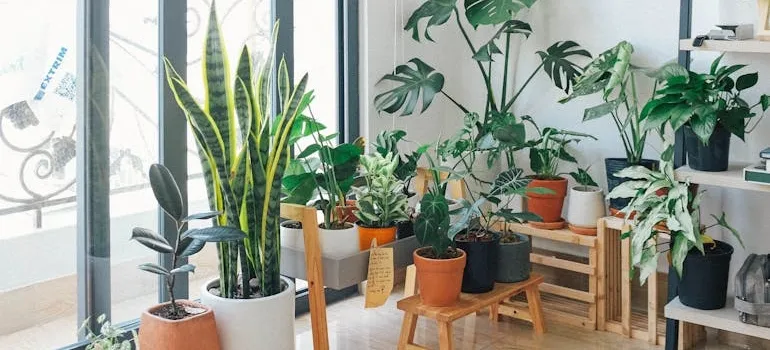
People sometimes make this mistake during sudden moves, pet relocation delays, or temporary housing issues. While these situations can feel overwhelming, there are always better options. Reach out to local shelters, ask friends or family, or look into short-term foster care services. Many Maryland counties have pet assistance programs for emergencies. For plants, consider giving them away or leaving them with someone who can water them regularly. No matter the situation, storing a live animal or plant in a unit is never allowed. Choosing humane and legal options helps you avoid serious consequences while protecting those in your care.
Check with your storage provider and protect your items
Before you lock your unit, take time to review your storage provider’s rules. Some restrictions protect your items, while others ensure the safety of the entire facility. Contracts often include a list of items Maryland residents should never store, along with clear reasons for each ban. These include safety hazards, legal risks, and potential damage to other units. Even items that seem harmless—like dry food or documents—can create problems over time. To avoid issues, ask your provider for a written list of prohibited items. Always label your boxes clearly and avoid placing anything of high value in long-term storage. When in doubt, choose safer options like bank safes, home storage, or trusted friends. Being careful helps protect both your belongings and your peace of mind.

