
The excitement of moving from DC to Los Angeles comes with a few challenges. The city is vast, and adjusting to the lifestyle and pace can take time. During the first 30 days in LA, it’s important to focus on settling in and establishing routines. Start by exploring your new neighborhood to locate grocery stores, parks, and other essential places. It’s also helpful to familiarize yourself with LA’s traffic patterns. Once you’ve done that, set up utilities, internet, and transportation options. Making new friends should be another priority. Attend local events, meetups, or visit cafes to build connections. The first month will shape the tone for your new life in LA.
Find housing before relocating
Start your housing search as early as possible to avoid last-minute stress. LA has a range of neighborhoods, each with unique benefits. For example, Santa Monica is known for its beachside living and high-end rentals, with prices around $3,000 for a one-bedroom apartment. On the other hand, Downtown LA offers more affordable options, with prices starting at $2,200. Compare these options to DC, where similar areas like Georgetown or Dupont Circle have higher rents, often around $3,500. Websites like Zillow, Apartments.com, and Craigslist are reliable for finding available listings in both cities.

If you’re moving from DC, consider using movers DMV to help you relocate to your new home. For temporary housing, explore short-term rentals on platforms like Airbnb or sublets to bridge the gap. Be sure to contact real estate agents who know the local market and can assist you with virtual or in-person property visits. Once you’ve found the right place, make a decision on the lease or purchase agreement. Secure your accommodation early to smooth your transition.
Day 1-3: Arriving in LA and settling into your new home
In the first few days, focus on making your new home functional. Start by unpacking essential items like clothes, toiletries, and kitchenware. Setting up utilities should be your priority—contact local providers for water, electricity, internet, and gas. For example, services like Spectrum or AT&T can help with internet, while the Los Angeles Department of Water and Power (LADWP) covers water and electricity.
Next, familiarize yourself with your new neighborhood. Find nearby grocery stores like Whole Foods, Trader Joe’s, or local markets, depending on your location. If you’re in West Hollywood, check out local parks like Runyon Canyon for a hike or visit coffee shops such as Alfred Coffee. Explore your surroundings and get a feel for the area’s vibe. Walk around the block, check out nearby cafes, and note any important spots like gyms, banks, or local services. If you hired interstate movers Washington DC, they might have already helped you with temporary accommodation. Take time to settle in and enjoy this new environment as you adjust to LA’s lifestyle.
Day 4-6: Look for a job and start networking
If you are relocating your business, contact office moving companies DC to help with a smooth transition. However, if you’re not moving your business, this is the time to start your job search. Begin by researching opportunities in your field. Websites like Indeed, Glassdoor, and LinkedIn offer a wide range of job listings. Make sure to update your resume and LinkedIn profile to reflect the LA job market. Tailor your skills and experience to industries in LA, such as entertainment, tech, or healthcare.

Networking will be essential as you search for new opportunities. Attend local meetups, join LinkedIn groups, and connect with professionals in your industry. In Los Angeles, organizations like the Los Angeles Chamber of Commerce or LA Tech Meetup host events that can help you expand your network. Apply to jobs that match your qualifications and schedule interviews when possible. You can also visit career centers, recruitment agencies, or job fairs in the area to meet employers directly. This is your opportunity to tap into the vibrant job market in LA.
Day 7-9: Navigating transportation and getting around LA
Navigating transportation in LA can be challenging, especially with its heavy traffic. Begin by familiarizing yourself with LA’s traffic patterns and common routes. Areas like the 405 and 101 freeways are known for congestion, particularly during rush hours. Download navigation apps like Google Maps or Waze to help you find the quickest routes and avoid delays. These apps will also give real-time traffic updates and help you plan your day more efficiently.
If you’re not used to driving in LA, consider using public transportation options like the Metro or buses. The Metro is a reliable way to travel, with lines connecting key neighborhoods like Downtown, Hollywood, and West LA. Tickets are affordable, and you can easily buy them through the TAP card system. Alternatively, if you’re in need of a car, you can rent one or use rideshare services like Uber or Lyft to explore the city. It is certain that moving companies Washington DC can help with any relocation needs, but when it comes to getting around, the flexibility of rideshare or public transit will make your first 30 days in LA more manageable.
Day 10-12: Setting up services and managing finances
About 10 days after your residential movers Washington DC have helped you relocate, it’s time to set up essential services and manage your finances. First of all, it’s wise to open a local bank account. Visit branches of major banks like Bank of America or Chase. These usually require your California address and ID. Next, sign up for a California phone plan and internet service. Providers such as Verizon or Spectrum offer packages starting around $70 per month for phone and $50–80 for internet. Grocery shopping for a family of four often runs about $1,500 per month, especially in Los Angeles, where prices are higher than in many cities. Utility bills—covering electricity, water, and gas—can add up to $150–$250 per month, depending on usage.

On financial planning, pull together your monthly expense estimates early. For example, combine groceries ($1,500) with utilities ($200) and a typical LA internet/phone plan ($120). That brings your baseline to around $1,820 per month before rent. Adjust for any family‑specific costs like child care or health insurance. Research health insurance options on the California marketplace if needed. By tracking these numbers now, you’ll avoid surprises and feel more in control of your budget.
Day 13-15: Getting your LA driver’s license and registering your vehicle
After your move, visit the California DMV to get your new driver’s license. If you’re moving from another state, like DC, local movers DC may have advised you about the process in your old state. However, in California, it’s a bit different. You’ll need proof of residency, such as a utility bill or lease agreement, along with your Social Security number. You can expect to pay around $35 for the license fee.
Next, register your vehicle with the California DMV and get new plates. The fee for vehicle registration in California can range from $100 to $200, depending on the type of vehicle. Also, familiarize yourself with parking regulations. In LA, parking can be tricky, especially in areas with street cleaning schedules or restricted zones. To avoid fines, always check street signs for restrictions. Finally, update your car insurance to reflect your new address. California law requires that your car insurance meet specific minimum coverage, and rates may vary based on location and driving history. Be sure to shop around for the best rates and coverage.
Day 16-18: Exploring popular LA neighborhoods
When moving your family from DC to California, it’s important to explore different neighborhoods to find the best fit. LA offers a variety of options, each with its own vibe. Start by visiting Venice Beach, known for its relaxed atmosphere and iconic boardwalk. Echo Park, on the other hand, has a more eclectic feel with trendy cafes and local art. If you’re looking for a mix of nature and urban living, Silver Lake is a great choice, offering a hip vibe with scenic parks.
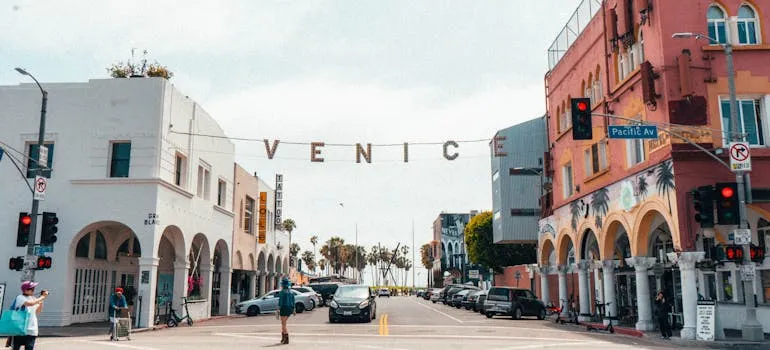
As you explore, check out local markets and cultural spots. For example, the Venice Beach Farmers Market offers fresh, local produce. Echo Park Lake provides a peaceful space for family outings. Understanding the differences in cost, amenities, and overall vibe will help you decide which neighborhood suits your lifestyle. Venice Beach may be more expensive, with rents for one-bedroom apartments around $2,800, while Silver Lake and Echo Park offer more affordable options starting at $2,200. After visiting a few neighborhoods, you’ll start to settle on a long-term place to live that matches your family’s needs.
Day 19-21: Discovering local culture and amenities
During your first 30 days in LA, it’s important to dive into the local culture. LA is full of art, history, and unique experiences. Attend events like the Downtown Art Walk or visit art galleries in places like Culver City, which is home to a growing art scene. You can also check out open-air markets, such as the Santa Monica Farmers Market, where you can find fresh produce and unique goods. These activities help you get a true feel of the city’s vibrant lifestyle.
In addition, take time to visit iconic landmarks like the Hollywood Sign and Griffith Observatory for breathtaking views of the city. The Getty Center offers art collections, gardens, and panoramic views of LA. Be sure to also try LA’s famous cuisine. Visit food trucks for tacos or explore high-end restaurants like Bestia or Providence. If you enjoy the outdoors, hike at Runyon Canyon for stunning views or relax at Venice Beach, which offers a lively atmosphere and a beautiful oceanfront. These activities will help you settle into the rhythm of LA.
Day 22-24: Networking and building social connections
Building social connections in LA is crucial for settling in. Start by attending professional or social meetups to expand your network. Websites like Meetup.com can help you find events tailored to your interests. For example, you can join groups for tech professionals, writers, or artists. These meetups provide great opportunities to meet people in your field.
In addition, visit local cafes, coworking spaces, or gyms to meet new people in a more casual setting. Places like The Workary in Downtown LA offer shared office spaces where you can network with other professionals. Joining fitness classes, book clubs, or local volunteer opportunities also helps you connect with others. If you enjoy yoga, try a class at YogaWorks, or attend a local book club meeting at The Last Bookstore. Social media platforms like Facebook groups or Instagram can also help you make local connections. Search for community groups specific to your neighborhood or interests, and engage with others online. These activities will help you quickly build a social circle in your new city.
Day 25-27: Settling into your routine
During your first 30 days in LA, it’s time to settle into a routine. Start by setting up a regular schedule that balances work, social activities, and personal time. For example, you can work in the mornings, then reserve afternoons for activities like exploring local parks or meeting friends. A routine helps you stay organized while adjusting to your new environment.

Consider exploring new hobbies or learning new skills during your free time. LA offers plenty of options, from fitness classes at places like Equinox to creative workshops at The Art Studio. You can also check out local grocery stores like Whole Foods or Trader Joe’s to familiarize yourself with what’s available in your neighborhood. These stores provide a wide selection of organic and specialty items. Additionally, plan weekend activities to explore more of LA’s diverse neighborhoods. For example, you can spend a day in Koreatown for its unique dining scene or visit the Arts District in Downtown for galleries and street art. Exploring these areas will help you feel more connected to your new city.
Day 28-30: Reflecting and setting goals for the next month
As you near the end of your first 30 days in LA, it’s important to take time to reflect on your experiences. Consider what has worked well and identify areas for improvement. For example, think about how you’ve adjusted to your new routine, your job search progress, and your social connections. Now is also a good time to set personal and professional goals for the next month. You might want to focus on finding permanent housing, securing a job, or expanding your network. In the next few weeks, plan activities to keep exploring Los Angeles and meet new people. Attend community events or join networking groups to continue building connections. It’s also helpful to revisit your budget. LA has a higher cost of living, so you may need to make adjustments. Some things to focus on in the next month include:
- Exploring more neighborhoods: Spend weekends visiting areas you haven’t yet explored.
- Attending networking events: Meet professionals in your industry to expand your job opportunities.
- Reassessing your budget: Ensure your finances reflect LA’s cost of living.
Key takeaways for your first 30 days in LA
Reflecting on your first 30 days in LA, you’ve likely learned a lot about settling into a new city. Establishing a routine, finding your way around, and exploring neighborhoods are key steps to feeling at home. It’s important to set both personal and professional goals to continue your progress. Make time to network, connect with locals, and enjoy the city’s culture. Also, adjusting your budget to reflect LA’s higher cost of living is crucial for long-term success. By staying organized and proactive, you’ll be able to navigate the challenges of LA while enjoying all that this dynamic city has to offer. The first month is just the beginning, and many exciting opportunities await.

