
Relocating can feel overwhelming, especially when you need to sell your home first. Timing affects everything—from finances to your moving schedule. Many people rush the process and end up with unnecessary stress. Early planning helps avoid delays and reduces last-minute problems. For example, working with experienced moving companies DMV allows you to coordinate packing with your home sale timeline. Also, hiring a real estate agent early gives you more control. Legal documents, home repairs, and buyer negotiations all take time. If you wait too long, you risk price reductions or rushed deals. That’s why selling your Virginia home before relocating requires thoughtful timing. With the right steps, you can sell smoothly and start your next chapter with fewer worries.
Set your relocation timeline before listing your home
Setting a clear relocation timeline helps you avoid problems during the selling process. Start by confirming your job relocation or personal moving date. For example, if you begin a new job in Richmond on July 1st, plan to close your home sale at least two weeks earlier. Then, consider temporary housing or a rent-back agreement. If your buyer is flexible, you might stay in your home for 30 days after closing while you prepare for the move. This gives you time to coordinate with moving companies in Virginia and avoid rushed packing.

Next, think about school enrollment if you have children. Most districts require a local address to register, so check start dates and plan accordingly. Lease terms also matter if you’re moving into a rental. Some landlords may not hold units far in advance, while others may require early deposits. Finally, make sure your home sale aligns with your moving schedule. A gap between closing and moving can create extra costs. Careful planning keeps everything on track and reduces last-minute surprises.
Understand the local real estate market
Understanding your local real estate market helps you make better selling decisions. Conditions vary across Virginia cities for first time homebuyers, so it’s important to look closely at your area. For example, Roanoke often has steadier home prices, while Northern Virginia sees fast-paced changes. Knowing when to sell can also impact your final sale price. Homes in Virginia Beach usually sell faster and for more in early spring, especially before school ends. That’s when families are looking to move before a new school year starts.

Seasonal trends also play a role. In Richmond, listings increase during late spring and early summer, so more competition can affect your pricing. However, fewer listings in winter could help your property stand out. Finally, study how buyer demand shapes the local market. Areas like Charlottesville often attract university staff and students, which keeps demand high year-round. But in places like Lynchburg, activity may slow outside graduation season. Timing your sale with these patterns improves your chances of a faster and more profitable transaction.
Hire the right real estate agent in Virginia
Selling a home while preparing for relocation requires trusted support on both sides. It is important to find residential movers in Virginia to assist you with relocation process, but also a skilled agent who knows the local market. Local expertise matters because every community is different. In Arlington, buyers may focus on Metro access, while in Chesapeake, larger yards appeal more. During interviews, ask agents how many homes they sold in your zip code last year. Their answers reveal whether they understand your market and can handle your timeline.

Commission expectations should also be clear from the start. Most Virginia agents charge around 5–6%, but some may include extras like staging or photography. For example, Richmond agents often add staging to attract young professionals. Pay close attention to red flags such as poor communication or vague marketing plans. If an agent avoids answering questions about strategy in Fairfax, consider another option. The right mover and agent together make your relocation and home sale more organized and less stressful.
Prepare your home for the Virginia market
Whether you are relocating for work with commercial movers in Virginia or moving with family, preparing your home for the market is critical. Start by decluttering and depersonalizing each room. For instance, in Alexandria’s townhomes, removing extra furniture creates a sense of space and allows buyers to focus on the layout. Minor repairs and deep cleaning also matter. Fix leaky faucets, touch up wall paint, and schedule professional carpet cleaning. In Richmond, polished hardwood floors and clean walls can significantly raise buyer interest.
Staging your home for photos and showings further improves appeal. In Arlington condos, neutral décor and well-placed lighting help smaller spaces feel larger. Adding simple, modern touches makes a property more attractive to a wide range of buyers. Finally, focus on curb appeal without overspending. In Virginia Beach, fresh mulch, trimmed hedges, and a simple flower bed can enhance the exterior without a large investment. These steps make your property stand out in a competitive market and attract buyers faster.
Set a competitive listing price
Setting a fair and competitive listing price helps you attract the right buyers. A Comparative Market Analysis (CMA) compares your home with similar recently sold properties. For example, in Richmond, homes in the Museum District often sell between $450,000 and $550,000, depending on updates. This data shows you how to set a price that appeals to buyers without undervaluing your property. An appraisal also provides useful insight, but market pricing often reflects what buyers are willing to pay right now. If the market is hot, like in Fairfax, you may be able to price slightly higher than the appraised value.

Overpricing can be risky, especially during relocation. Homes priced above market value in Norfolk often stay unsold for months, forcing sellers to lower the price later. Instead, set a price that encourages competition. In Loudoun County, well-priced homes near new schools often attract multiple offers within weeks. To give context, average prices in Arlington hover near $750,000, and hiring movers Arlington VA may cost $1,200–$2,000 depending on home size. Competitive pricing speeds up your sale and aligns with relocation plans.
Marketing your home while planning your move
Marketing your home effectively while preparing to move requires planning and organization. High-quality listing photos and video tours should be your first step. In Fairfax, professional photographers often highlight renovated kitchens or finished basements to attract more buyers online. Using digital platforms and the local MLS is equally important. In Richmond, most buyers start their search on MLS or Zillow, so accurate and appealing descriptions can bring in serious offers. At the same time, trusted local movers in Virginia can help you stage and declutter rooms without disrupting your schedule. Their support makes the home look move-in ready for showings.
Open house preparation can feel overwhelming while packing. A good tip is to set aside a few boxes in storage so living areas remain clear. For example, sellers in Norfolk often move seasonal items out to make closets appear larger. Flexibility with showings also helps. If you’ve already moved, consider using a lockbox so agents can show your property anytime. Coordinating these steps not only speeds up offers but also supports a smoother process for selling your Virginia home before relocating.
Disclose relocation plans to buyers
Being open with buyers about your relocation plans helps avoid confusion and builds trust. Letting them know when your movers are scheduled shows you’re organized. For example, if your chosen interstate movers Virginia offers will arrive on June 10th, share that date early. Buyers in Richmond often prefer this clarity because it helps them plan their own move-in. Clear timelines reduce stress and make the entire process feel more reliable.
Addressing buyer concerns about quick closings is also easier with transparency. If your movers are arriving soon, explain that the schedule allows you to vacate quickly. This can even become a selling point. In Arlington, sellers who shared their exact move-out plans often secured stronger offers from families eager to settle before summer. At the same time, try to avoid buyers with contingencies that may cause delays. For example, a buyer waiting to sell their own home might not align with your timeline. Open communication keeps your sale on track and gives buyers confidence.
Selling your Virginia home before relocating: Handle inspections and repairs
Managing inspections and repairs is an important step when selling your Virginia home before relocating. Buyers in Virginia often expect thorough home inspections, and common issues include roof wear, outdated electrical panels, or basement moisture. For example, in Alexandria, older homes may need plumbing updates before passing inspection. Once issues are identified, decide whether to fix them or offer a credit. In Richmond, sellers often credit buyers for HVAC upgrades instead of completing them, since buyers may prefer selecting their own system. Making this choice early saves time and avoids disputes.

Scheduling repairs before moving out also keeps your sale on track. If you know contractors will be needed, book them quickly since demand in Northern Virginia can be high. This prevents delays near closing. At the same time, sellers must comply with Virginia’s disclosure laws. For instance, if your Norfolk property has had previous flooding, state law requires written disclosure. Ignoring this can cause legal problems later. Handling inspections and repairs with honesty and efficiency reassures buyers and helps your relocation stay on schedule.
Evaluate offers with your relocation in mind
Evaluating offers carefully helps you match the sale to your relocation needs. Contingencies and timelines should be your first focus. For example, in Fairfax, some buyers may include a home sale contingency, which could delay your closing by weeks. If you need to move quickly, this type of offer might not be the best fit. Preferably, terms often include fast or flexible closings. In Richmond, sellers relocating for work often choose buyers who agree to a 30-day close or allow short rent-back options. These terms help you manage both your sale and your move.
Cash versus financed offers also play a role. A cash offer in Norfolk may close faster and carry fewer risks, but sometimes financed buyers bring stronger bids. Balance the speed of cash with the possible higher price of financed offers. Counteroffers can also keep your plans on track. If a buyer in Arlington requests extra time, you could counter with a slightly higher price or shorter inspection period. Structuring offers this way helps align your home sale with your relocation timeline.
What to do if your home doesn’t sell in time
Delays in selling your home can disrupt relocation plans, so having backup options matters. Temporary rentals, storage, or bridge loans can help manage the gap. For example, some families in Richmond choose short-term rentals while waiting for their homes to sell. Storage units are also useful if movers arrive before your closing date. In Northern Virginia, bridge loans are common for sellers who need quick funds to secure a new property before their old one sells. Renting your Virginia home as a short-term option is another solution. In college towns like Charlottesville, short-term leases often attract students or visiting faculty, giving you income until the property sells.
If you relocate before selling, managing the process remotely is possible with the right steps:
- Hire a trusted local real estate agent to oversee showings.
- Use digital signatures for contracts and closing documents.
- Schedule video calls for updates and buyer feedback.
- Rely on local contractors for repairs or staging.
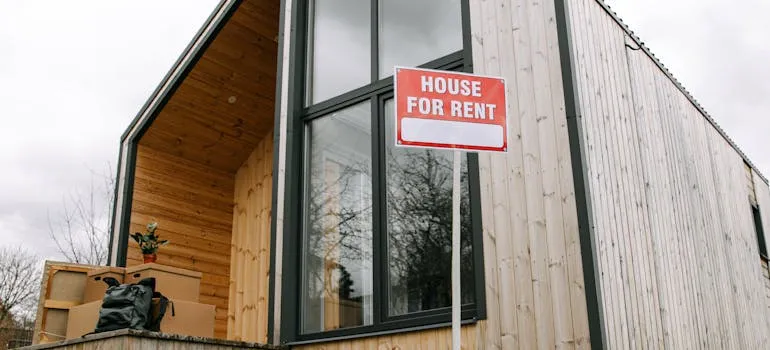
Final checklist for selling your Virginia home before relocating
A clear checklist keeps your move and sale on track. Start by confirming your closing date and making sure it aligns with your relocation plans. Double-check all required documents, keys, and disclosure forms to avoid last-minute issues. Review buyer requests, such as agreed repairs or credits, and confirm they are completed. Coordinate with your real estate agent and movers so everyone is on the same schedule. Also, notify utility companies, forward your mail, and update your address with banks and employers. Creating this structure reduces stress and prevents delays. With these steps, selling your Virginia home before relocating becomes more manageable. Staying organized ensures a smoother closing process and helps you begin your next chapter confidently.

