
Planning ahead makes every step easier when you’re moving from DC to Miami. The weather, home size, and daily needs differ between the two cities. For example, you won’t need heavy coats or snow gear in Miami’s tropical climate. Instead, focus on packing light clothes, swimwear, and sun protection. Housing in Miami can also be smaller, especially in beachside areas, so it’s helpful to downsize bulky furniture. You may also want to rethink your kitchen setup. Pack only the appliances you use often and donate the rest. Even your decor choices might change—light fabrics and cooler tones suit Florida’s style better. This packing guide for relocating from DC to Miami helps you stay organized, reduce clutter, and make smart decisions.
How DC and Miami living differ: What it means for your packing list
Working with experienced moving companies DMV gives you time to prepare for big changes. Life in DC and Miami differs in ways that affect what you pack. Weather is a key factor. DC winters call for coats, gloves, and boots. Miami’s tropical climate makes those items unnecessary. Light clothes, swimwear, and sandals will serve you better. Housing costs and size also differ. In DC, the average rent for a one-bedroom apartment is about $2,600. In Miami, it’s closer to $2,200, but homes often have less storage. This means you may need to downsize large furniture or extra belongings.

Transportation habits vary, too. DC has a strong Metro system, so many don’t drive. In Miami, a car is often necessary. Pack your car accessories and update your insurance early. Work attire also changes. DC jobs tend to require formal wear. In Miami, business casual is more common. Bring fewer suits and more breathable fabrics. Lastly, outdoor living is more common in Miami. Pack items for beach days and patio use, like coolers or folding chairs. These changes help you adjust quickly after your move.
Understanding the relocation process from DC to Miami
Planning ahead helps you stay in control during a long-distance move. Many people search for reliable movers, compare costs, and look into neighborhoods in Miami for former DC residents before making final decisions. Start by creating a moving timeline. For example, book movers at least six weeks in advance to secure better rates. Next, notify utility companies and update your address with the post office, banks, and medical providers. If you have kids, contact schools in both cities early to ensure a smooth transition.
Once logistics are in place, focus on housing and lifestyle needs. A DC resident used to Dupont Circle may prefer Brickell for its city feel. Someone from Petworth may enjoy Kendall for its quieter pace. Budget also plays a role. Compare the cost of living, commute times, and access to essentials like groceries and healthcare. With a clear plan, it’s easier to manage tasks and adjust to Miami’s pace without feeling overwhelmed.
Create a room-by-room packing plan before the move
Hiring trusted interstate movers in Washington DC makes your relocation easier, but a room-by-room packing plan keeps it organized. Start with areas you use the least, like guest rooms or storage closets. Label each box by room and use color-coded tape to make unpacking faster. For example, use blue for the kitchen and green for the bedroom. This helps movers place boxes in the right spot without confusion.
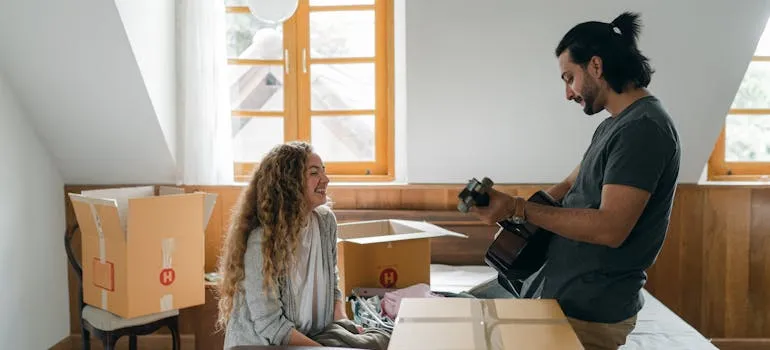
As moving day gets closer, focus on high-use spaces like the kitchen and bathroom. Pack items you won’t need in the last week first, such as baking pans or seasonal clothing. Keep a box labeled “Open First” for essentials like chargers, toiletries, and a few kitchen tools. Don’t forget to take pictures of complex setups like TV cables or office tech. This will save you time later. You can also use packing apps to track what’s in each box. By breaking packing into rooms, you’ll stay on schedule and reduce last-minute stress.
Packing guide for relocating from DC to Miami: What to bring from your kitchen
Working with experienced moving companies Washington DC gives you time to focus on what matters—deciding what to pack. The kitchen can be one of the hardest areas to sort. Begin by setting aside daily-use items like plates, mugs, and one set of utensils. Keep small appliances that serve more than one purpose. For example, a blender or air fryer is worth bringing, while a slow cooker may be too bulky if rarely used.
Next, check for duplicates and donate extras. You likely don’t need three spatulas or multiple baking trays. Pantry items should be checked for expiration dates. Throw out anything open or near its end. Pack spices in sealed bags to prevent spills. Glass items should be wrapped in towels or bubble wrap. Plastic containers are better suited for Miami’s humid weather. Limit what you bring based on space. If your new kitchen is smaller, avoid taking every gadget. Packing light but smart will make settling into your Miami kitchen easier and faster.
Packing clothes for a Florida climate
Advice from local movers DC often starts with one key point—pack for where you’re going, not where you’ve been. That’s especially true when moving to Florida. DC has four seasons, but Miami is warm year-round. So, there’s no need to pack heavy coats, scarves, or snow boots. Instead, bring lightweight clothing made from breathable fabrics like cotton or linen. Keep plenty of T-shirts, shorts, sundresses, and sandals.

Formalwear is still useful, but not in excess. One or two dressy outfits are usually enough. Swimwear, sunglasses, and hats should also be on your list. Don’t forget rain gear, as afternoon showers are common in Miami. While you might want to keep one light jacket for trips or visiting colder places, most winter gear can be donated or stored. The packing guide for relocating from DC to Miami should focus on comfort, versatility, and climate-appropriate clothing. Packing with the weather in mind will help you settle into your new home faster and avoid clutter in your closet.
What furniture is worth relocating—and what’s not
Advice from residential movers in Washington DC often includes a reminder to evaluate your furniture before packing. Not everything is worth the cost or effort to move. For example, older couches or bulky bookshelves may not fit well in a smaller Miami home. If your new space is more compact, measure each large item before deciding to bring it. Moving oversized or worn-out pieces may cost more than replacing them.

Instead, focus on items that are both useful and easy to move. Beds, dressers, and small dining sets often make the cut. Multi-use furniture, like storage ottomans or foldable desks, is also a smart choice. Avoid relocating items that are already damaged or have no real use in your new home. Try selling or donating them before the move. This will reduce both your load and moving costs. Choosing what to keep and what to leave behind saves time, money, and space—especially when adjusting to a new city with different layout and lifestyle needs.
Packing electronics and fragile items the right way
Electronics and fragile items need special attention when packing, especially for a long-distance move. For those relocating from DC to Miami, this step helps prevent damage during transport. If you’re using office moving companies DC, it becomes even more important to protect office setups. Start by unplugging all electronics and placing cables, remotes, and accessories into clearly labeled bags. Keep each set with its matching device.
Use strong boxes and plenty of padding. Wrap screens, glass items, and monitors in bubble wrap or thick blankets. Avoid packing multiple fragile items in the same box to reduce the risk of breakage. Instead, fill gaps with towels or soft clothing to stop items from shifting. Clearly label all sides of each box with “Fragile” and “This Side Up.” It’s also a good idea to pack smaller electronics—like tablets or phones—separately and carry them with you. Careful packing helps protect your items and keeps everything easier to unpack once you arrive in Miami.
Don’t forget these important personal items
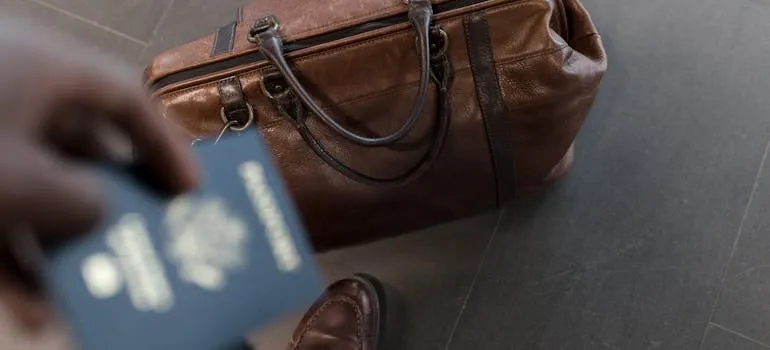
Even when most of your packing is done, a few personal items still need special care. These should stay with you rather than go into the moving truck. Keeping these items close ensures you have access to what matters most. This part of the packing guide for relocating from DC to Miami helps you stay organized and avoid last-minute problems. These essentials are easy to overlook, especially during a busy move. Make a checklist and keep everything in one secure bag or folder. Use clear labels so you can find things quickly. Keep this bag with you during travel, whether by car or plane. Below are the key items you shouldn’t forget:
- Government-issued ID (driver’s license, passport)
- Medical records and prescription medications
- Insurance papers and lease or home documents
- School records for children
- Chargers for phones, tablets, and laptops
- Birth certificates and Social Security cards
- Emergency contact list
- A few days’ worth of clothes and toiletries
- Important banking information
- Cash or credit cards for immediate needs
Packing guide for relocating from DC to Miami: What to leave behind
Some items simply don’t belong on the moving truck to Florida. Miami’s climate, home layouts, and lifestyle differ from DC. This means not everything you own will fit or be useful. Leaving behind non-essentials helps lower your moving costs and reduces clutter. Many people make the mistake of bringing things they won’t use in a warmer, more casual setting. Instead, focus on what you truly need and say goodbye to the rest. Below are common items you should leave behind when heading to the city of Miami:
- Heavy winter clothing like coats, gloves, and scarves
- Snow gear such as shovels and boots
- Rugs and thick bedding not suited for a humid climate
- Large furniture that won’t fit in smaller floorplans
- Duplicate kitchen tools or unused appliances
- Expired pantry items and half-used cleaning supplies
- Unused gym equipment
- Old electronics or tangled cables
- Decor that doesn’t match a coastal setting
- Paper files you’ve already backed up digitally
Use climate and lifestyle to guide what goes in storage
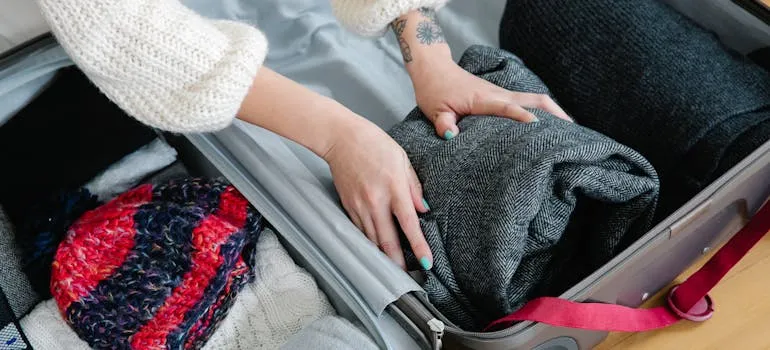
Climate and lifestyle should guide your storage choices when planning a long-distance move. Miami’s warm, humid weather means some items are better left in storage or not brought at all. Seasonal items, bulky gear, or temperature-sensitive belongings may not be useful in your new space. If you’re coming from DC, the difference in climate will impact what you use daily.
Think about what you’ll need often and what can wait. For example, winter coats and boots can stay in storage, especially if you won’t travel to cold areas soon. Holiday decorations, archived documents, and off-season clothes also fit better in a storage unit. However, avoid storing electronics unless you choose a climate-controlled facility. Miami’s humidity can damage sensitive items. Instead, keep only what suits the daily routine of your new life. The rest can stay safe in DC or in a secure storage unit nearby. Careful storage decisions will keep your home in Miami more open and clutter-free.
Smart packing makes your Miami move easier
Relocating from DC to Miami takes planning, but smart packing makes everything easier. You’ll save time, reduce stress, and avoid moving things you don’t need. Focus on what fits the Miami lifestyle—light clothes, compact furniture, and outdoor essentials. Let go of items that don’t suit the climate or your new space. Each room offers a chance to sort and simplify. Use clear labels and keep personal items close. When everything has a place, unpacking becomes faster and less overwhelming. With the help of this packing guide for relocating from DC to Miami, you can stay organized and confident. Packing with care means you’ll arrive ready to enjoy your new home without extra clutter holding you back.

