
Many moving companies DMV newcomers hire suggest packing a personal kit for the first 24 hours. DC row homes, suburban townhouses, and rural Maryland properties all present different move-in challenges. For example, city apartments may have elevator reservations, while rural homes might lack nearby stores. Because of that, having the basics on hand matters. A good move in day essentials kit should include items like paper towels, chargers, snacks, and toiletries. You might also need cleaning supplies if the home wasn’t professionally cleaned. Even something simple like a shower curtain or phone charger can make a difference. Since boxes may arrive late or in the wrong room, keep the kit nearby. That way, you’ll avoid stress and settle in faster.
Essentials you’ll need the first night in your new DMV home
Many people using moving services Maryland offers arrive at their new DMV home before their boxes are unpacked. That first night can feel long if you’re not prepared. You’ll need a few basics to stay comfortable. Start with an air mattress or folding bed. It’s easier than sleeping on the floor, especially after a full day of moving. Add a set of sheets, a pillow, and a blanket suited to the weather.
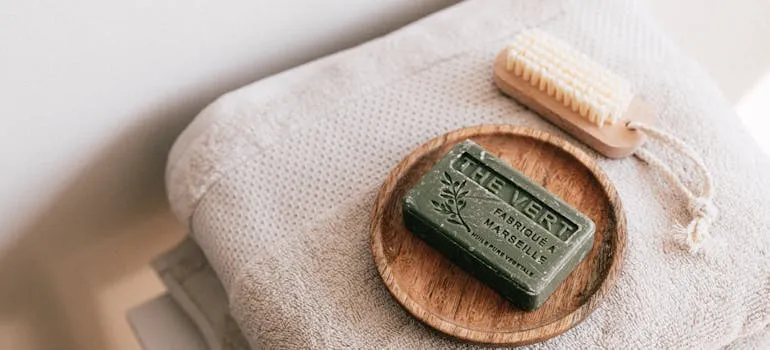
Next, pack towels and personal toiletries in a separate bag. Include soap, a toothbrush, and any medications. Also, don’t forget sleepwear and a clean change of clothes for the next morning. Depending on the season, a portable fan or space heater may also be useful. Summers in DC and parts of Maryland can be humid. Winters in northern Virginia can get chilly fast. These small items can make a big difference. When packed in advance, they help you rest well and start the next day with less stress.
Kitchen basics for the first 24 hours
Many people forget kitchen items when packing for a move. However, moving companies DC area often recommend setting aside basic supplies for the first 24 hours. You may not have time to unpack kitchen boxes right away. Therefore, pack paper plates, plastic utensils, and napkins in a labeled bag. These are easy to use and throw away when you’re done. Reusable water bottles and mugs are also useful. You’ll need something for coffee, tea, or cold drinks. If your stove is ready, bring a small pot or pan and a few basic cooking tools. Even a spatula and a knife can help you heat up simple meals.

Next, don’t forget cleaning items. A sponge, dish soap, and trash bags are important. These will help you clean up quickly and stay organized. Finally, pack snacks or ready-to-eat meals. Granola bars, crackers, and fruit cups work well. Having these items within reach will save you time and energy while settling into your new space.
Must-haves in your move in day essentials kit for safety and comfort
People often forget small items that make a big difference during move-in day. Some moving and storage companies in Maryland even recommend setting aside a bag just for safety and comfort items. You may arrive before the power is turned on or the boxes are unloaded. For this reason, a flashlight and extra batteries are useful. Also, keep a phone charger close by—especially a portable one if outlets aren’t ready.
Extension cords and power strips are helpful when outlets are hard to reach. For example, if your router or lamp needs power in a corner, these can save you time. A first aid kit is also important. You might get small cuts or scrapes while opening boxes or moving furniture. Next, pack hand sanitizer, disposable gloves, and cleaning wipes. These help when cleaning surfaces, especially if the home hasn’t been professionally cleaned. Don’t forget toilet paper and paper towels. These basics keep your space functional while you unpack and settle in. Simple steps like these make the first day easier.
Important documents and personal items to keep accessible
Some movers Arlington VA residents rely on often remind clients to carry key items with them. Moving day can be busy, and boxes may not be easy to sort right away. Therefore, it’s best to keep important documents and personal items in a separate, clearly marked bag or folder. Start with your lease or closing documents. These may be needed to confirm access or sign in at the building. Also, carry your driver’s license, ID, and vehicle registration. Some buildings require ID to let you in or use service elevators.
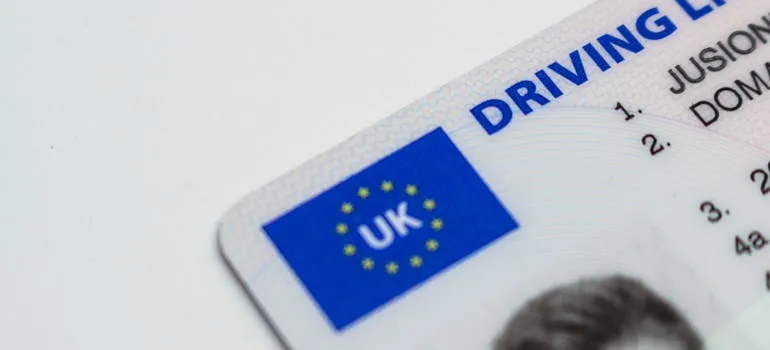
In addition, keep a checkbook or a small amount of cash on hand. You may need to tip movers or pay for last-minute supplies. Write down contact numbers for movers and utility companies. If your phone dies or loses signal, you’ll still have what you need. Finally, don’t pack away your keys, garage remotes, or mailbox info. You’ll need these as soon as you arrive. Quick access makes the move smoother and less stressful.
DMV-specific supplies for parking, permits, and entry access
Some residential movers Rockville MD clients rely on suggest gathering all local permits and access details ahead of time. Every part of the DMV has different rules. For example, in DC, you may need a Residential Parking Permit (RPP) to avoid tickets while unloading. If you’re moving to a Maryland suburb like Bethesda or Silver Spring, check if your area requires visitor parking passes for moving trucks or extra vehicles. In buildings across Arlington or Alexandria, it’s common to need elevator reservations. These must be scheduled days in advance. Failing to do so could delay your move. Also, ask about access codes or key cards for entry into gated properties.
If you plan to park a moving truck on the street, some cities—like Rockville—require temporary loading zone signage. Apply online or through the city office. For condos or HOAs, submit move-in forms ahead of time. These often ask for proof of insurance and the moving company’s contact information. Preparing these documents avoids fines and delays.
Cleaning supplies to prep your space before unpacking
Before unpacking boxes, take time to clean key areas of your new home. Floors, surfaces, and bathrooms may need extra attention, even if the space looks tidy. The representatives of moving companies in Virginia know that dust and grime often remain after previous tenants leave. That’s why your move in day essentials kit should include the right supplies.

Pack a multi-surface cleaner and disinfectant spray to wipe down counters, doorknobs, and cabinet shelves. Bring a broom and dustpan to handle loose debris. For hard floors, use a mop or Swiffer to cover larger areas quickly. In carpeted homes, a small vacuum will help clear dust or pet hair left behind. Scrub brushes and gloves are helpful for bathroom and kitchen fixtures. You’ll also need a few strong garbage bags for used paper towels and empty containers. A clean space makes unpacking easier and more comfortable. Starting fresh gives you peace of mind and keeps your belongings free from lingering dirt during setup.
Tools and repair items every DMV move-in kit should include
Unexpected problems often come up on move-in day, especially when unpacking or setting up furniture. That’s why movers and packers in Maryland suggest keeping basic tools close at hand. A box cutter and scissors will help you open boxes quickly and safely. These are much easier to use than kitchen knives, which can damage your belongings. Screwdrivers, pliers, and a small tool set are also helpful. For example, you may need to reassemble furniture, tighten loose screws, or adjust cabinet handles. A tape measure is useful when placing furniture, hanging shelves, or checking if a couch will fit through a doorway.
In addition, bring a few extra light bulbs. Some fixtures may be empty or use less common bulb sizes. If you move in after dark, lighting makes a big difference. Finally, use furniture sliders or felt pads to protect your floors. These help when moving heavy items across hardwood or tile surfaces. Having the right tools nearby saves time and reduces frustration during your first day in your new DMV home.
Pet and child essentials for a smooth DMV move-in day
Relocating with pets or young children requires extra planning. It helps to pack a separate bag as part of your move in day essentials kit. Pets may feel stressed in a new space, so bring a leash, food, and a favorite toy or blanket. These familiar items provide comfort and help them adjust faster. If you have cats or puppies, include a litter box, crate, or puppy pads. These prevent accidents while you’re still unpacking or setting up the home. Always place these in a quiet corner away from the moving activity.

For children, have snacks, diapers, and a change of clothes ready. Unpacking can take longer than expected, so easy access to essentials avoids delays and discomfort. Small toys, books, or a tablet with downloaded videos help keep them calm and entertained. Basic childproofing tools like outlet covers or cabinet latches are also useful. Even temporary setups add a layer of safety. Preparing for pets and kids in advance allows you to focus on unpacking and getting settled without extra stress.
Smart tech and Wi-Fi setup for DMV homes and apartments
Reliable internet is one of the first things people want working on move-in day. Without it, setting up smart devices or working remotely becomes harder. Bring your modem, router, and a surge protector as part of your tech setup. These let you connect quickly once the service is active. Also, label your cords ahead of time to avoid confusion when plugging everything in. Extension cords are useful in homes with fewer outlets or unusual layouts. For example, older apartments in DC may not have outlets where you need them. With the right cords, you can place your router or TV where it fits best.
In addition, pack your streaming device or a basic TV setup. This helps entertain kids or give you background noise while unpacking. Keep contact details for providers like Xfinity or Verizon handy. If there’s a service issue, you’ll be able to reach them quickly. For temporary housing, ask about Wi-Fi access in advance. Many places offer a guest login or shared network. Planning ahead avoids downtime and keeps your move running smoothly.
Local DMV tips to make your first 24 hours easier
Getting through the first 24 hours in a new home becomes easier when you know where to go and what to expect. After a long move, finding food and basic supplies is usually a top priority. In the DMV, grab a quick bite at places like &pizza in DC, District Taco in Arlington, or Nando’s in Silver Spring. These spots offer fast service and are open late.
Next, find a nearby grocery store or pharmacy. Giant, Safeway, and Harris Teeter are common across the region. For prescriptions or basic supplies, CVS and Walgreens are easy to locate. Stay alert to DMV-specific quirks. Speed cameras are common in DC and Maryland, and parking rules vary by zone. Always check posted signs before leaving your car. It also helps to keep local emergency contacts saved:
- Police: 911 or non-emergency (311 in DC)
- Fire Department: 911
- Gas/Electric Outage (PEPCO, BGE, Dominion)
- Water Emergency (DC Water or WSSC Water)
How to build your move in day essentials kit ahead of time
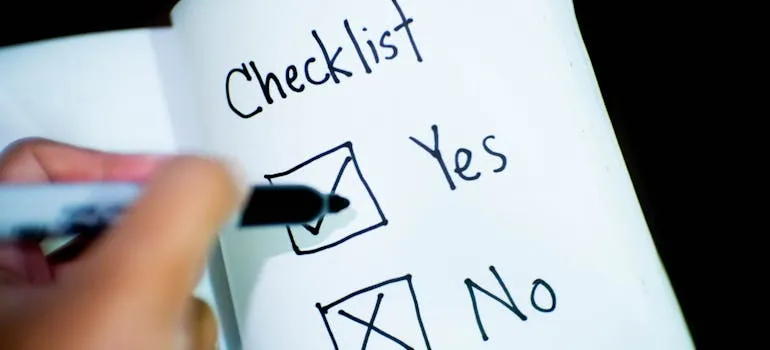
Packing your move in day essentials kit early will save time and reduce stress. Use clear bins or sturdy bags, and label each one by room or purpose. For example, keep kitchen basics in one bag and bathroom items in another. This makes unpacking easier and faster. Next, store the kit in your personal vehicle, not in the moving truck. That way, you’ll have everything you need as soon as you arrive. Even if your movers are delayed, you can still function. It also helps to make a checklist before packing. Include toiletries, chargers, snacks, and tools. Check off each item to avoid forgetting anything important. Finally, think about your new location. If you’re moving into a high-rise, include elevator codes or fobs. If it’s rural, pack flashlights or extra batteries. Tailoring your kit helps you settle in with less hassle.
Start strong with the right move in day essentials kit
The first day in a new home sets the tone for the entire move. When you arrive prepared, everything runs more smoothly. Pack supplies that meet your basic needs, including food, cleaning tools, and chargers. Bring items for safety and comfort, especially if you have kids or pets. It’s also helpful to know local parking rules, service contacts, and where to get quick meals. Keep key documents, medications, and personal items with you—not packed away. If something gets delayed or misplaced, you’ll still have what matters most. With a well-packed move in day essentials kit, you can settle in faster and reduce stress. A little planning goes a long way toward making your move easier and more organized.

