
Many Maryland homeowners look north when searching for more space or lower taxes. For example, York and Adams counties in Pennsylvania offer larger homes for less money. In some areas, property tax rates are also more favorable. As a result, moving from Maryland to Pennsylvania has become more common among suburban families and retirees. However, key differences exist. Property taxes in Pennsylvania vary by school district and township. Unlike Maryland, some rural homes use well water and septic systems. That may require extra inspections. Also, deed transfer taxes are usually split between buyer and seller in Pennsylvania. Before buying property in Pennsylvania, learn how zoning laws and contract terms differ. These details can affect your timeline, costs, and financing. Planning ahead helps avoid confusion later.
Why Maryland homeowners consider buying property in Pennsylvania
Families in Montgomery and Prince George’s counties often search for more space and better value. That’s why movers DMV report steady interest in nearby Pennsylvania towns. For instance, in Franklin County, home prices can be $100,000 lower than similar Maryland homes. Buyers often find larger yards, more bedrooms, and bonus features like basements or sheds. In places like Waynesboro or Chambersburg, it’s easier to find homes on half-acre lots or more. At the same time, these towns remain close to Maryland job centers. Many commuters travel from Gettysburg to Frederick in under an hour.

In addition, some Pennsylvania school districts appeal to Maryland parents. For example, the Upper Adams School District offers small class sizes and strong community support. Others seek a slower pace and quieter surroundings. Areas like Greencastle or New Oxford offer that lifestyle while still providing access to shopping and services. Altogether, buying property in Pennsylvania gives Maryland homeowners more options at lower cost.
Understanding Pennsylvania’s property tax system
Many interstate moving companies Maryland residents hire often highlight one key difference—property taxes. In Pennsylvania, tax rates vary by county. For example, York County has an average effective property tax rate of around 1.6%, while Franklin County stays closer to 1.2%. Adams County is even lower in some townships. By comparison, Maryland’s statewide average is roughly 1.1%, but it can go much higher in urban areas. In Pennsylvania, taxes are based on millage rates and assessed values. For instance, a 20-mill rate means you pay $20 for every $1,000 of assessed property value. Unlike Maryland, assessment practices differ widely from one county to another.
It’s also smart to research when reassessments last occurred. Some Pennsylvania counties haven’t reassessed in decades, which may lead to surprises after purchase. Finally, watch for school taxes and municipal levies. In Gettysburg, for example, local school taxes make up a large portion of the total bill. Always ask for a full breakdown before making an offer.
Financing tips for buying property in Pennsylvania
Many moving companies in Maryland help clients who plan to buy homes in Pennsylvania. Financing can be different across state lines, so it’s important to compare lenders. Maryland-based banks may not offer loans for some rural areas in Pennsylvania. On the other hand, local lenders in Pennsylvania often know the market better. Also, loan programs vary. The Pennsylvania Housing Finance Agency (PHFA) offers first-time buyer programs that Maryland lenders may not provide. These include down payment assistance and lower closing costs.

In terms of rates and fees, differences can add up. A Maryland bank may charge higher fees for out-of-state appraisals or inspections. Meanwhile, a Pennsylvania lender might offer better terms for in-state properties. Pre-approval is also important. Some sellers in Franklin or York counties prefer offers from buyers already pre-approved by a local lender. This can make your offer more competitive. Be sure to ask your lender if they serve both states and know local property rules.
Location matters: Best PA areas near Maryland for commuters
If you like suburban living with access to cities, movers Baltimore MD often recommend looking just across the Pennsylvania border. Some Marylanders want homes near open spaces but still need to commute. In that case, Franklin, Adams, and York counties offer strong options. For example, Waynesboro in Franklin County sits less than 30 minutes from Hagerstown. York, PA is about an hour’s drive from both Baltimore and Harrisburg. In addition, many residents in Adams County commute to Frederick or Gaithersburg. Major roads like I-83 and Route 30 connect these areas quickly. While public transit is limited in rural Pennsylvania, park-and-ride lots serve some routes to Baltimore.
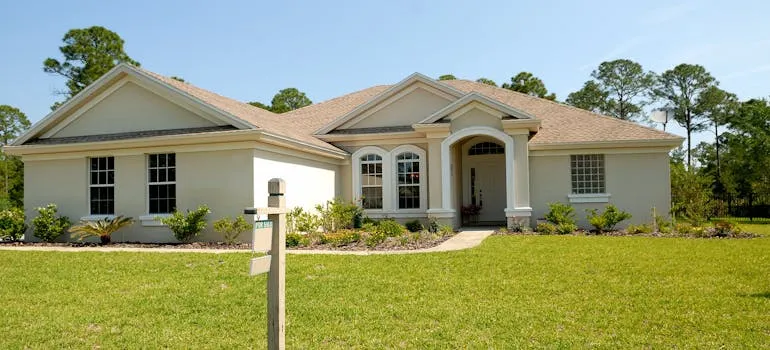
Neighborhoods like Red Lion and Hanover provide quiet streets, newer homes, and active local communities. Some towns even feature restored downtown areas with shops and restaurants. Meanwhile, real estate markets remain competitive but more affordable than in Maryland suburbs. If you’re open to border living, these Pennsylvania towns offer practical value.
Key steps for Maryland residents buying property in Pennsylvania
Many residential movers Maryland clients work with also assist buyers heading just across the state line. Before making that move, there are a few key steps to keep in mind. First, always hire a Pennsylvania-licensed real estate agent. Maryland agents can’t legally guide you through Pennsylvania contracts unless licensed there. That matters because PA home contracts differ in wording, structure, and legal terms. For example, Pennsylvania uses a standard agreement of sale form, which may include local addendums not found in Maryland. Scheduling inspections and appraisals across state lines also requires extra planning:
- Choose local inspectors familiar with township requirements, like septic or well testing.
- Allow at least 7–10 business days to schedule a certified appraisal.
- Be present for inspections when possible, especially in rural areas.
Finally, plan your move date carefully. In Pennsylvania, possession usually happens after closing, not on the same day. If you’re buying property in Pennsylvania, confirm the possession date before hiring movers or giving notice.
What to expect with home inspections and appraisals in PA
Some local movers MD clients work with end up surprised by how different inspections can be in Pennsylvania. Home inspections in PA follow clear standards, but certain issues are common. For example, in older homes near Gettysburg, inspectors often find knob-and-tube wiring or outdated septic systems. These need attention before closing. Appraisals also bring challenges. In rural counties like Adams or Franklin, comparable properties may be scarce. This makes it harder for appraisers to determine market value, which could affect your loan approval.

However, Maryland buyers don’t always need to attend inspections in person. Many inspectors offer video calls or send photo reports with notes. This helps buyers stay informed without traveling. Finally, use the inspection report to negotiate. If a roof in York County needs repairs, you might ask for a credit or a lower price. Sellers are often open to fixing problems that affect financing. Still, your agent must submit these requests quickly before deadlines pass. Timing matters in PA real estate deals.
Differences in home styles and property types between Maryland and Pennsylvania
Buyers working with local movers Rockville MD often notice how home styles shift once they cross into Pennsylvania. In Rockville and similar Maryland towns, colonial and split-level homes on small lots are common. But in Pennsylvania, especially in counties like Franklin or Adams, you’ll see more stone farmhouses, cape cods, and ranch homes. These often sit on larger plots, sometimes over an acre. Heating systems also differ. Many rural Pennsylvania homes use oil or propane heat instead of electric or gas. Additionally, homes may rely on well water and septic tanks rather than public utilities. These systems require regular maintenance and specific inspections during the buying process.
Architectural features can vary too. Pennsylvania homes may have fewer modern finishes or open layouts than Maryland buyers expect. While touring, look closely at insulation, basement moisture, and roof condition. Although some older homes need updates, they often come with lower prices and more space. Be ready to weigh charm against renovation costs during your search.
Buying property in Pennsylvania for investment or rental use
Many Maryland investors see value in buying property in Pennsylvania for rental income. However, each township sets its own rules for short-term rentals. For example, Gettysburg may require special permits or limit the number of rental days per year. Always check with the local zoning office before listing a home on platforms like Airbnb. Rental demand is strong in some border counties. York and Chambersburg attract commuters who work in Maryland but prefer lower housing costs. This makes long-term rentals a reliable option in these areas.
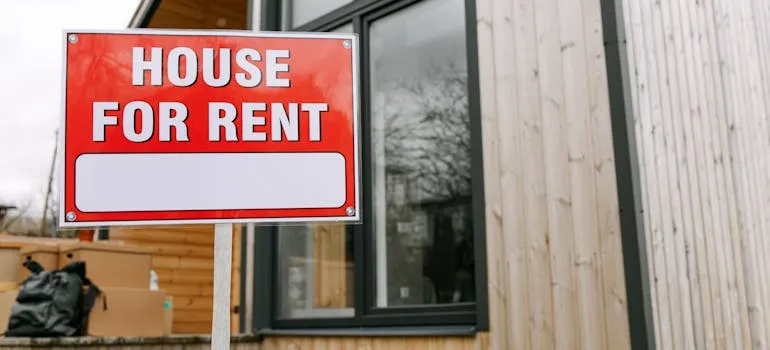
Still, landlord-tenant laws differ. Pennsylvania allows shorter notice periods for lease termination and has different rules for security deposits. Make sure you understand these before signing a lease with tenants. Also, there are tax issues to consider. As a Maryland resident, you may owe state taxes in both states. You’ll likely need to file a Pennsylvania non-resident return. To avoid surprises, speak with a tax advisor familiar with multi-state property ownership. Clear records and early planning help.
Cost of living comparison between Maryland and Pennsylvania
Many Maryland homeowners notice lower monthly costs after moving to nearby Pennsylvania towns. For example, average electricity bills in Pennsylvania are around $130, while in Maryland they often reach $160. Car insurance also tends to be cheaper. In York County, the average yearly premium is about $1,200. By comparison, Maryland drivers often pay closer to $1,600 per year. Grocery costs may not differ much, but Pennsylvania has lower gas taxes. As a result, fuel often costs 10 to 20 cents less per gallon near the border. Vehicle registration fees are also lower. In Pennsylvania, most pay under $100 per year, while Maryland drivers can spend over $135.
Income taxes are another difference. Maryland has both state and local income tax, with rates reaching 8.95% in some counties. Pennsylvania uses a flat rate of 3.07% with no local income tax in many areas. Before moving, review school and municipal fees. For instance, some districts charge annual activity or transportation fees. Budgeting for these changes helps avoid surprises.
Working with a real estate agent experienced in buying property in Pennsylvania
Choosing the right real estate agent matters when buying across state lines. Maryland buyers benefit from working with someone who knows Pennsylvania’s process. For example, Pennsylvania agents use different forms, including a required seller disclosure that differs from Maryland’s version. This means mistakes can happen if your agent isn’t familiar with those rules. It helps to find a dual-licensed agent. Some agents hold licenses in both states and can guide you through each step. Others work in teams where a Maryland-based agent partners with a Pennsylvania agent. Either way, clear communication is key.

You should also understand how each state handles timelines, inspections, and deposits. For example, the Commonwealth of Pennsylvania allows longer inspection windows, which can change how fast things move. Before hiring an agent, ask specific questions. How many clients have they helped buy in Pennsylvania? Do they understand township-level rules, such as zoning and permits? Also, find out how they will coordinate with your lender and title company. Experience makes the process easier and helps prevent delays.
Prepare well before buying property in Pennsylvania
Planning ahead makes a big difference when moving from Maryland to a new home in Pennsylvania. Take time to learn about taxes, contracts, and property features that may be unfamiliar. Always work with local professionals who understand the area. A qualified real estate agent and a knowledgeable lender can guide you through the process. Compare costs carefully and ask questions before making decisions. Timing also matters, especially when scheduling inspections or planning your move-in date. Look into each township’s rules to avoid surprises later. With the right steps, buying property in Pennsylvania can be a smart move. Focus on your needs, budget, and long-term plans to find the best home for your situation.

